Causes of hair loss: the complete guide
Introduction: hair loss is a symptom, not a diagnosis
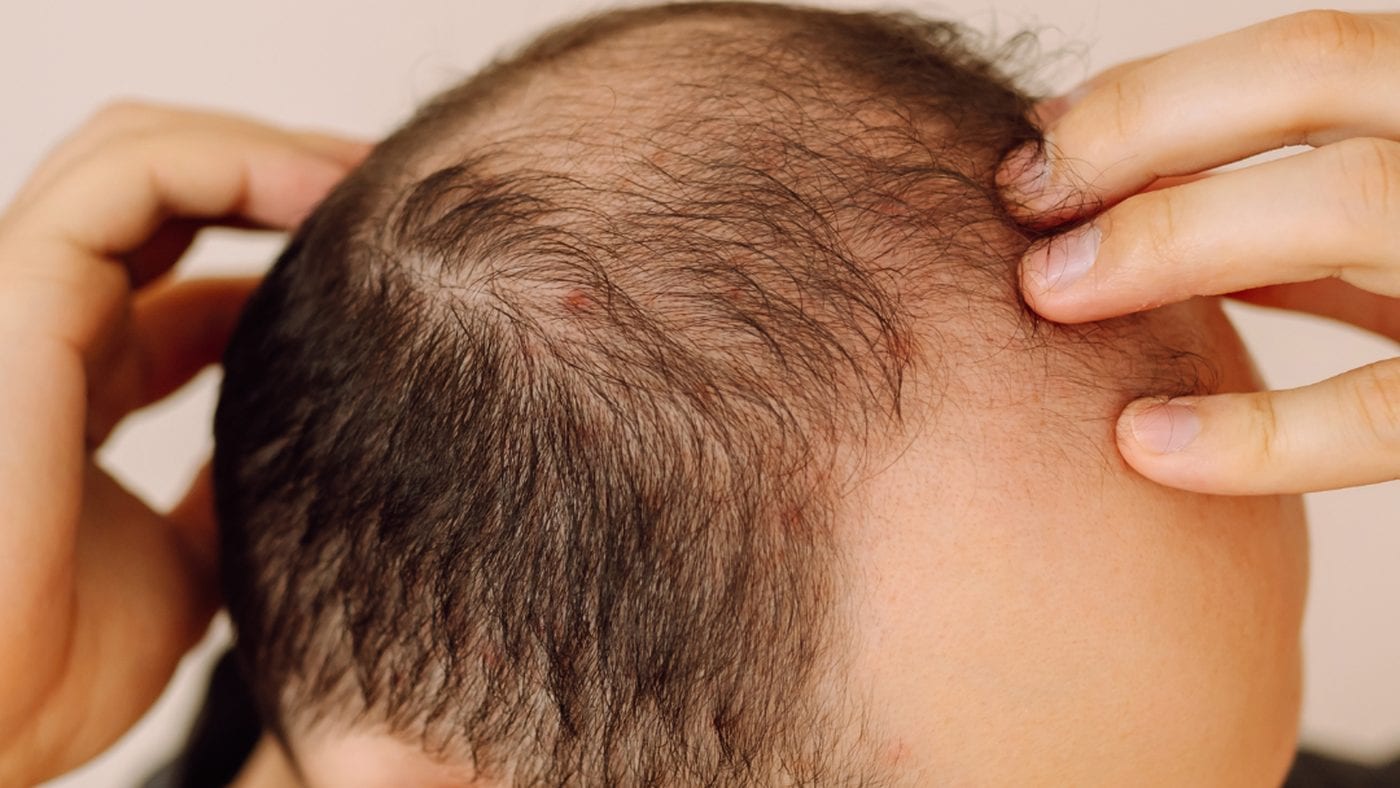
Hair loss is not one disease, but a symptom with many different underlying causes. That is an absolutely decisive point, because the treatment, and the prognosis, depend entirely on why the hair is falling out. Hereditary thinning calls for a completely different approach than a sudden, diffuse shedding after childbirth, an infection or a period of severe stress. Starting treatment without a correct diagnosis is the most common reason people waste both time and money, and in the worst case miss the treatment window in which the hair could actually have been saved.
This guide works systematically through the most important causes of hair loss in both men and women. The aim is that, after reading it, you can recognise the typical patterns, understand the biological mechanisms behind them, and know when you should see a doctor or a specialist rather than experiment on your own. It is based on current dermatological knowledge, but the text does not replace an individual medical assessment.
The biology of hair: understand the growth cycle before you understand hair loss
To understand hair loss at all, you have to understand that hair does not grow continuously. Every single hair passes through a cycle with three main phases, and it is disturbances in this cycle that lie behind almost every form of hair loss.
- Anagen (the growth phase): The active phase in which the hair grows from the root. It typically lasts 2-7 years and determines the maximum length the hair can reach. Normally 85-90% of all scalp hairs are in anagen at the same time.
- Catagen (the transitional phase): A short phase of 2-3 weeks in which the follicle contracts and growth stops. Around 1% of the hairs are here.
- Telogen (the resting phase): A resting period of roughly 3 months in which the hair sits loosely in the follicle before it finally sheds and is replaced by a new anagen hair. Around 10-15% of the hairs are normally in telogen.
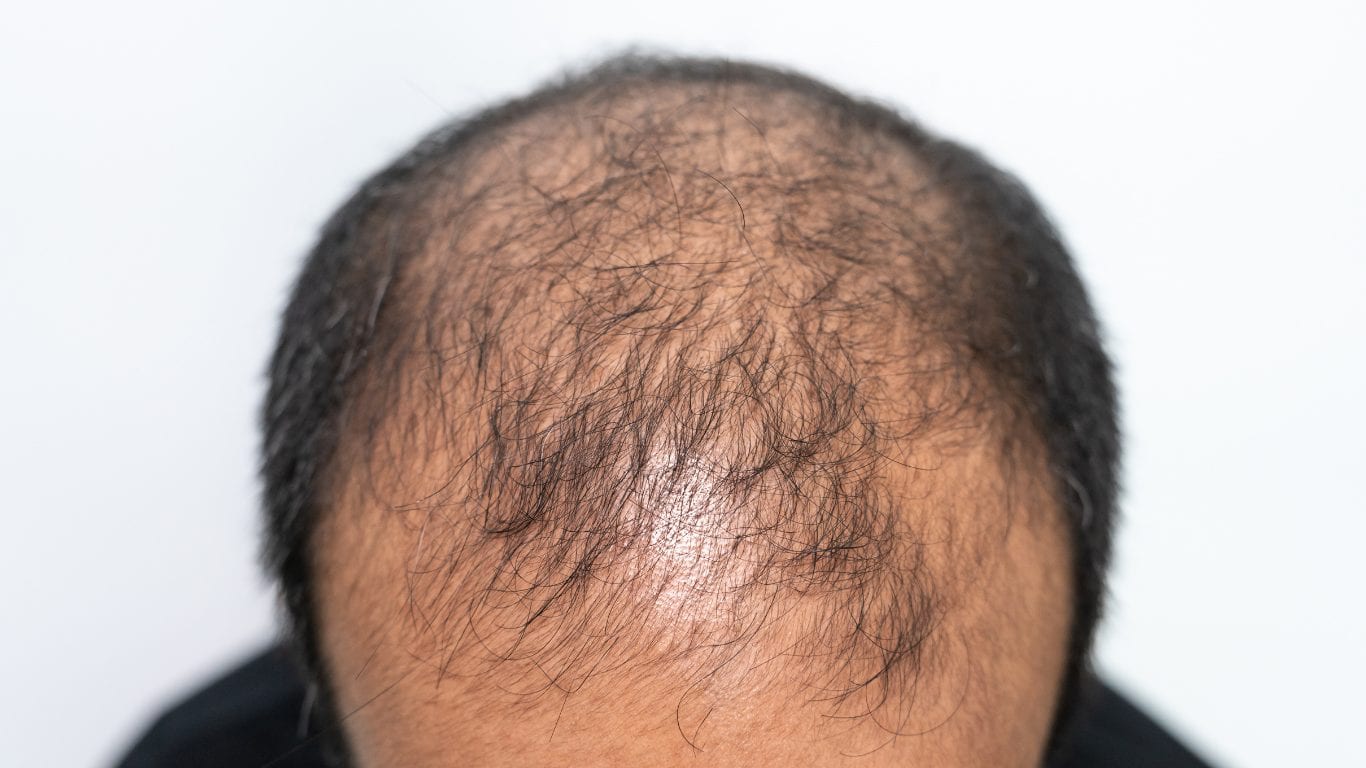
It is entirely normal to lose 50-100 hairs a day, these are simply hairs completing their telogen phase. The problem only arises when the balance shifts: either because more hairs than usual are pushed into telogen at once (telogen effluvium), or because the follicles gradually shrink and produce thinner, shorter hairs until they stop altogether (androgenetic alopecia). This distinction, acute shedding versus gradual miniaturisation, is the most important one you can learn.
Androgenetic alopecia: the hereditary and by far most common cause

Androgenetic alopecia (AGA), often called hereditary or male/female pattern hair loss, is behind around 90% of all permanent hair loss. It affects up to 50% of men before the age of 50 and a considerable proportion of women, particularly after the menopause. Despite the name, it is not only about genes, but about an interplay between an inherited sensitivity and the hormone dihydrotestosterone (DHT).
The mechanism: DHT and gradual miniaturisation
The enzyme 5-alpha-reductase converts testosterone into the more potent DHT. In genetically predisposed people, the follicles in certain areas, typically the hairline, the temples and the crown, are hypersensitive to DHT. When DHT binds to receptors in these follicles, the anagen phase is gradually shortened with every cycle. The result is miniaturisation: with each round the hairs become thinner, shorter and lighter, until the follicle finally produces only an almost invisible vellus hair or shuts down completely.
Crucially, the follicles at the back and sides of the head are genetically DHT resistant. That is precisely why a hair transplant is possible: hair moved from here into the thinning area keeps its original, DHT resistant property and stays in place permanently. This principle is called donor dominance.
Typical patterns
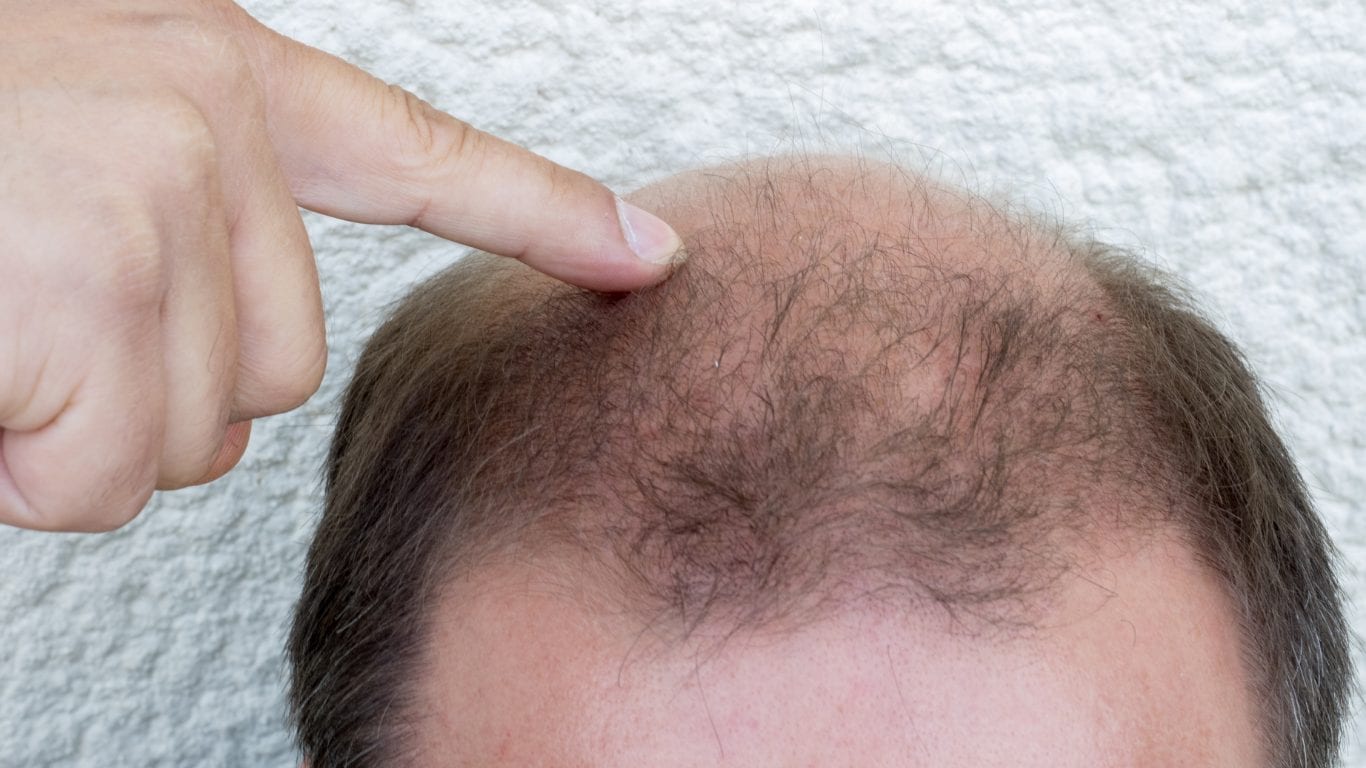
In men the loss usually starts at the hairline (recession at the temples, the so called “M pattern”) and/or at the crown. In women, true recessions are rarely seen; instead there is a diffuse thinning along the central parting, while the frontal hairline is typically preserved. This difference between the sexes matters for both diagnosis and choice of treatment.
The Norwood and Ludwig scales: how hair loss is graded
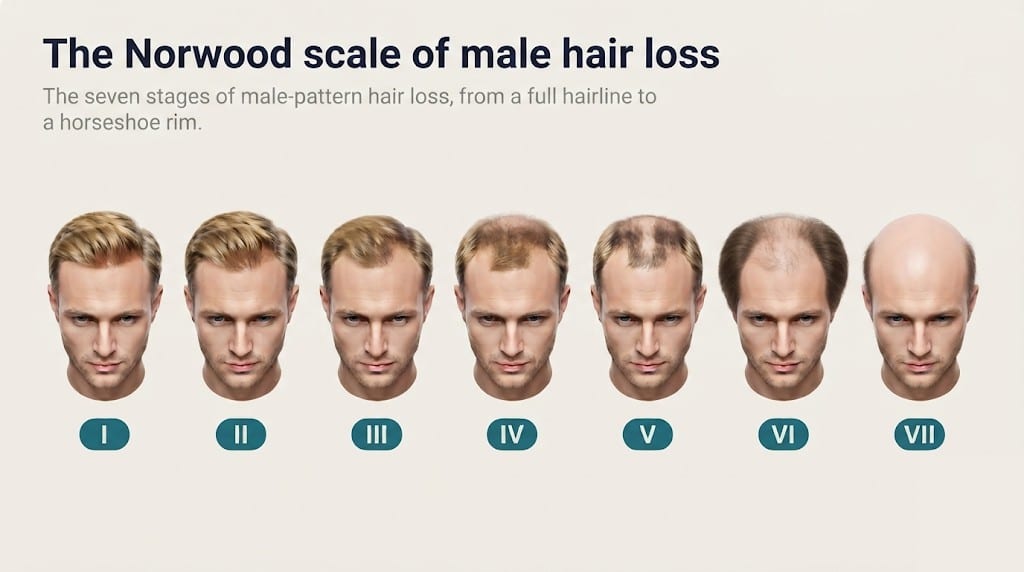
In order to describe, follow and treat hair loss objectively, clinicians use standardised scales. They are also useful to you as a patient, because they make it possible to understand how far a loss has progressed, and how many grafts a possible transplant will realistically require.
The Norwood-Hamilton scale (men)
The Norwood scale divides male hair loss into seven main stages:
| Stage | Characteristics |
|---|---|
| I | No or minimal recession at the hairline. |
| II | Slight symmetrical recession at the temples. |
| III | Clear recessions; a “mature” hairline pattern. III vertex: early loss at the crown. |
| IV | Pronounced recession at the front plus clear crown loss, separated by a band of hair. |
| V | The band between front and crown becomes narrower and thinner. |
| VI | The band disappears; front and crown merge into one large area. |
| VII | The most advanced: only a horseshoe shaped rim of hair remains at the back and sides. |
The Ludwig scale (women)
Female hair loss is graded on the Ludwig scale in three grades. In Grade I the hair thins along the centre parting, so the parting looks a little wider than before. In Grade II the thinning spreads and more scalp shows through the top of the head. In Grade III the crown is clearly see-through, while the front hairline usually stays in place. These grades are not just labels: they guide how many grafts a transplant would realistically need, and what result is achievable.
Telogen effluvium: the diffuse, acute hair loss
Where androgenetic alopecia is slow and localised, telogen effluvium (TE) is typically sudden and diffuse across the whole scalp. It occurs when a large proportion of the follicles are pushed from the growth phase into the resting phase all at once. Around 2-3 months after the triggering event these hairs begin to shed simultaneously, often in such quantities that the sight of hair in the drain or on the pillow is frightening.
Typical triggers
- Childbirth (postpartum effluvium) and hormonal upheaval.
- High fever, serious infection, including after a viral illness.
- Major surgery and general anaesthesia.
- Severe psychological or physical stress.
- Drastic weight loss, crash diets and protein deficiency.
- Iron, vitamin D or thyroid deficiency.
- Starting or stopping certain medicines.
The good news is that telogen effluvium is almost always temporary. Once the triggering factor is gone, the follicles resume normal operation and the hair typically grows back over 6-12 months. Patience, and removing the cause, therefore matter more than aggressive treatment. A hair transplant is not indicated in pure telogen effluvium, because the loss is not permanent.
Alopecia areata: when the immune system attacks the follicle
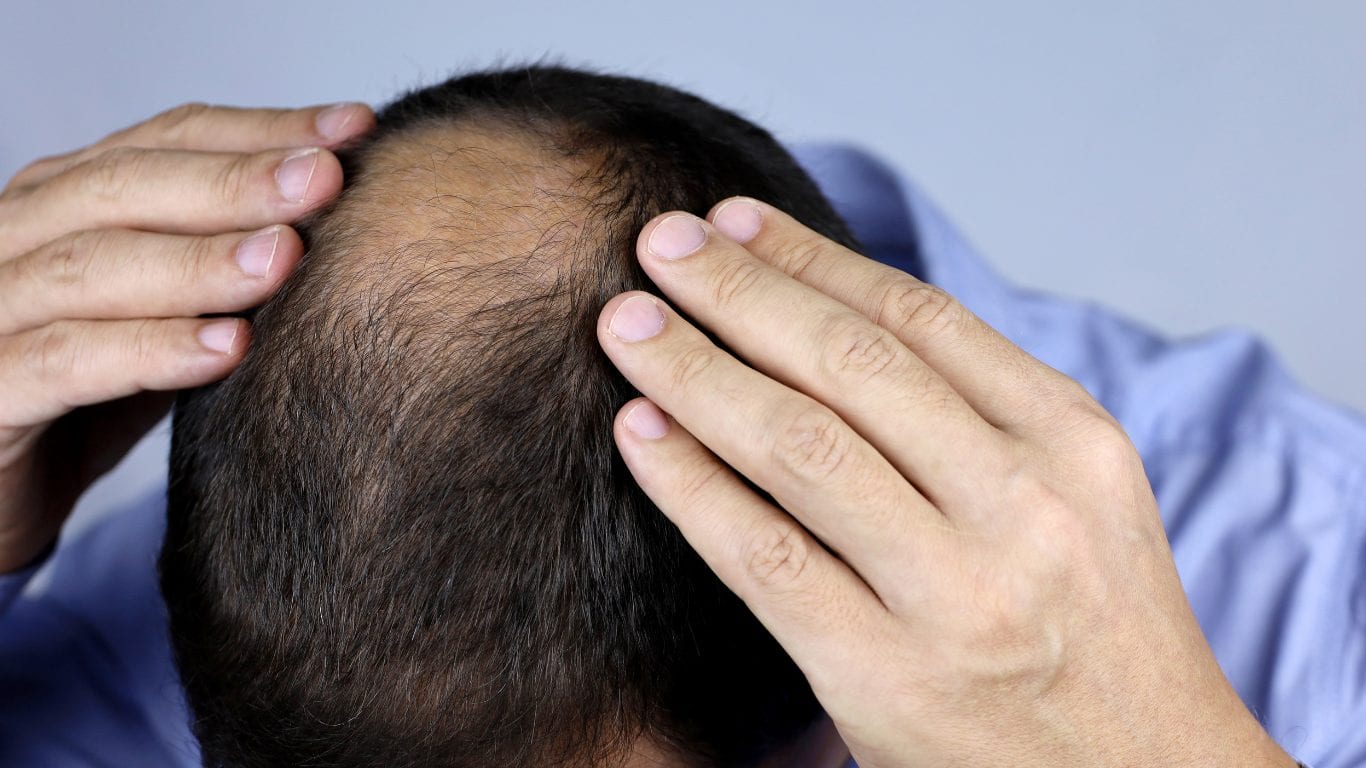
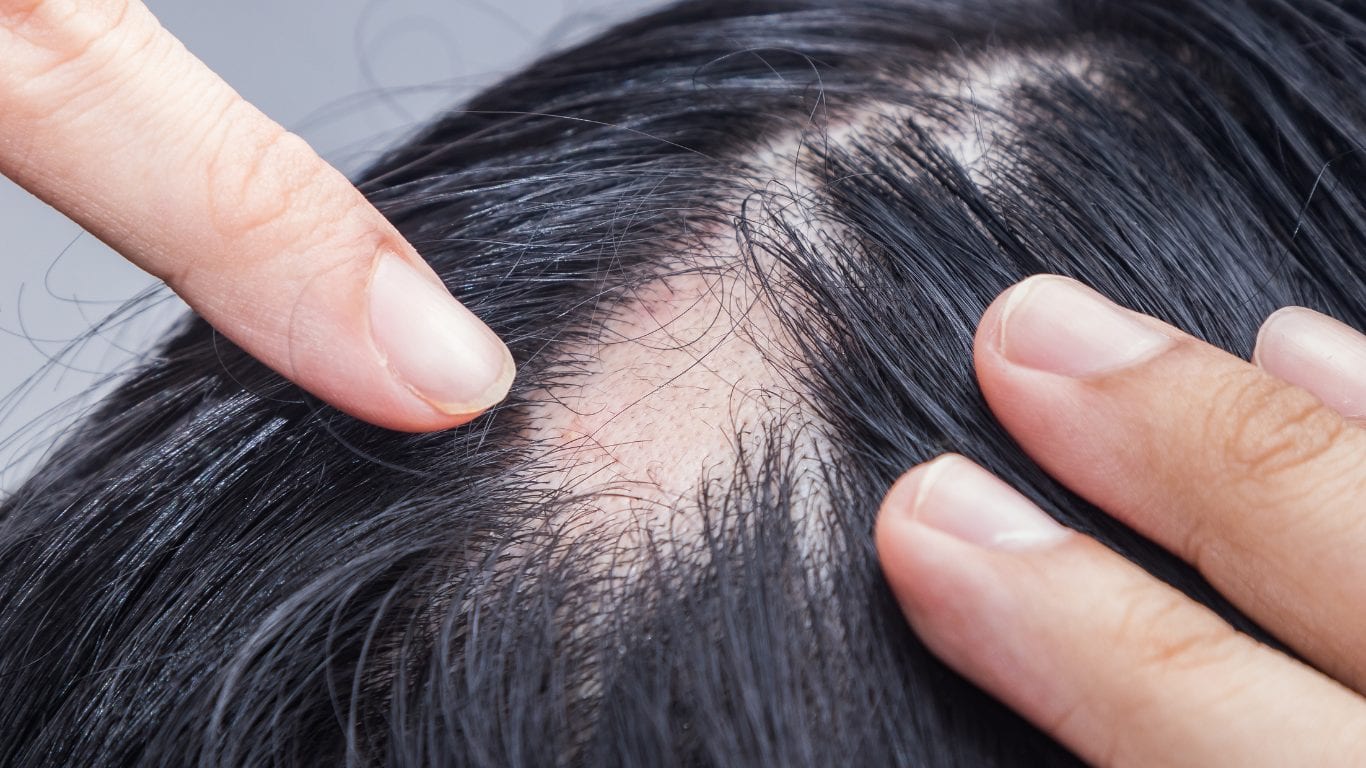
Alopecia areata is an autoimmune condition in which the body's own immune system mistakenly attacks the hair follicles and halts production. It classically appears as sudden, sharply defined, round bald patches, often about the size of a coin, and therefore differs markedly from the gradual, diffuse pattern of AGA and TE.
The course is unpredictable. In many people the hair grows back spontaneously within a year, but the condition can return, spread (alopecia totalis, where all scalp hair is lost) or in rare cases affect the whole body (alopecia universalis). Because the follicle in areata is typically not permanently destroyed, treatment is medical (for example topical or injected corticosteroids, and newer systemic JAK inhibitors), not surgical. A transplant into an active autoimmune area is likely to fail, because the immune attack also targets the new hair.
Get a free hair analysis
- 1Start
- 2Info
- 3Done
Nutrition, deficiencies and lifestyle
Hair is a fast growing tissue with a large need for building blocks and energy. It is therefore often one of the first places the body “economises” when something is missing. Several nutritional and lifestyle factors can trigger or worsen hair loss, usually through the telogen effluvium mechanism.
- Iron deficiency: Perhaps the most common nutritional cause, especially in women with heavy periods. Low ferritin (iron stores) is strongly associated with diffuse thinning.
- Vitamin D deficiency: Common in the Nordic countries because of limited sunlight, and linked to several forms of hair loss.
- Protein deficiency: Hair consists mainly of the protein keratin. Insufficient protein intake, often during extreme diets, weakens production.
- Zinc, Biotin and B12: A genuine deficiency can contribute, but supplements only help if a deficiency really does exist. Overuse of supplements does not benefit the hair and can be harmful in high doses.
- Smoking: Impairs the microcirculation to the follicles and is associated with earlier and more severe hair loss.
- Sleep and stress: Chronic stress and poor sleep disturb the hormonal balance and can keep an effluvium going.
The point is not that a “hair cure” from the pharmacy will rescue hereditary hair loss, it will not. But correcting genuine deficiencies removes an unnecessary extra burden and gives the existing follicles the best possible conditions.
Hormones, illness and medication
A number of systemic conditions can cause hair loss, and here it is particularly important to obtain a medical assessment, because the hair is merely a window onto something larger.
The thyroid
Both an underactive (hypothyroidism) and an overactive thyroid (hyperthyroidism) can cause diffuse hair loss. That is one of the reasons a simple blood test for thyroid function belongs to the standard work-up of unexplained hair loss.
Hormonal conditions
Polycystic ovary syndrome (PCOS) causes raised androgens and can produce female pattern loss combined with increased body hair and irregular periods. Changes in the contraceptive pill or the fall in oestrogen at the menopause can likewise trigger loss.
Medicines
Numerous medicines can cause hair loss as a side effect, among them certain anticoagulants, beta blockers, retinoids, antiepileptics, chemotherapy and, in rare cases, hormone preparations. Any switch or pause should always happen in consultation with the prescribing doctor, never on your own.
A note on hair loss in women
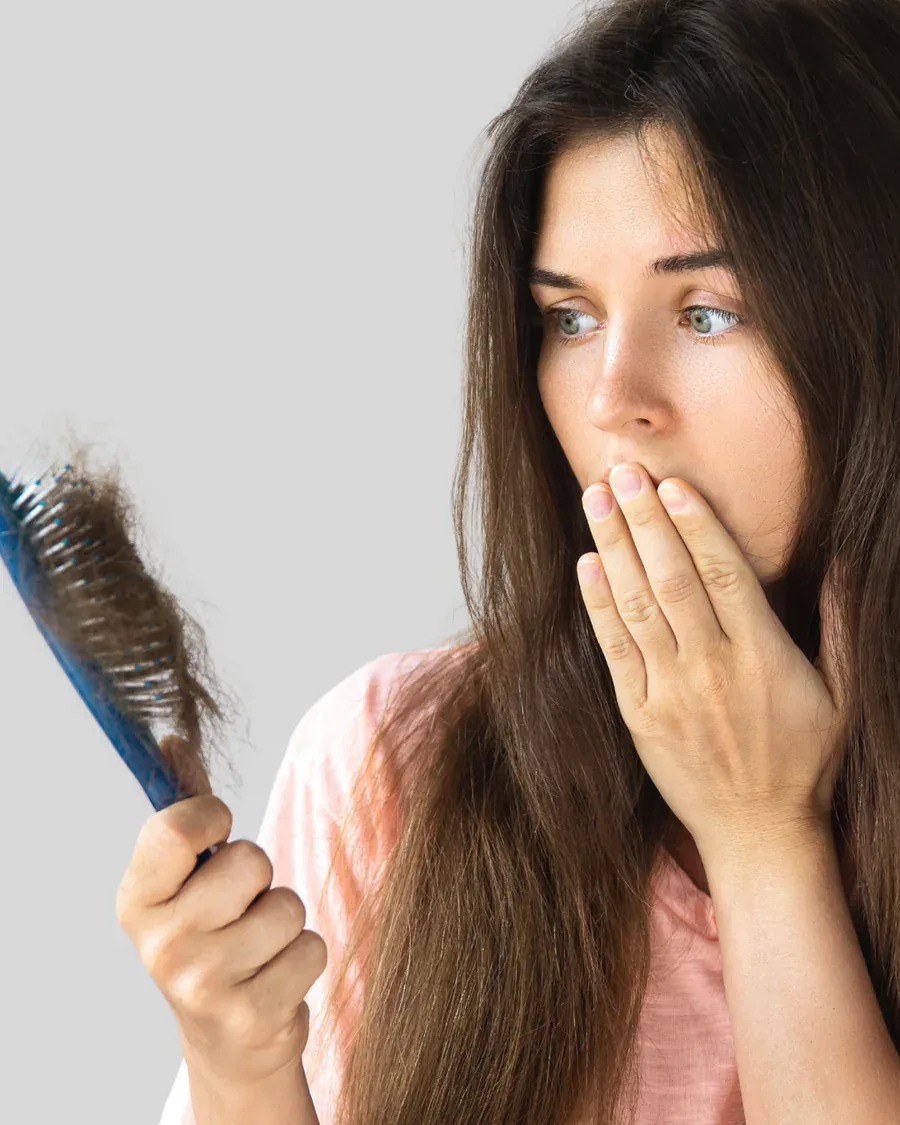
Hair loss in women is often overlooked, because it rarely produces the obvious recessions people associate with men. Instead women typically notice that the parting becomes wider, the ponytail thinner, and that more scalp shows through in daylight. Because the frontal hairline is usually preserved, the loss can be far advanced before it becomes conspicuous to others.
Traction alopecia and damaging hair habits
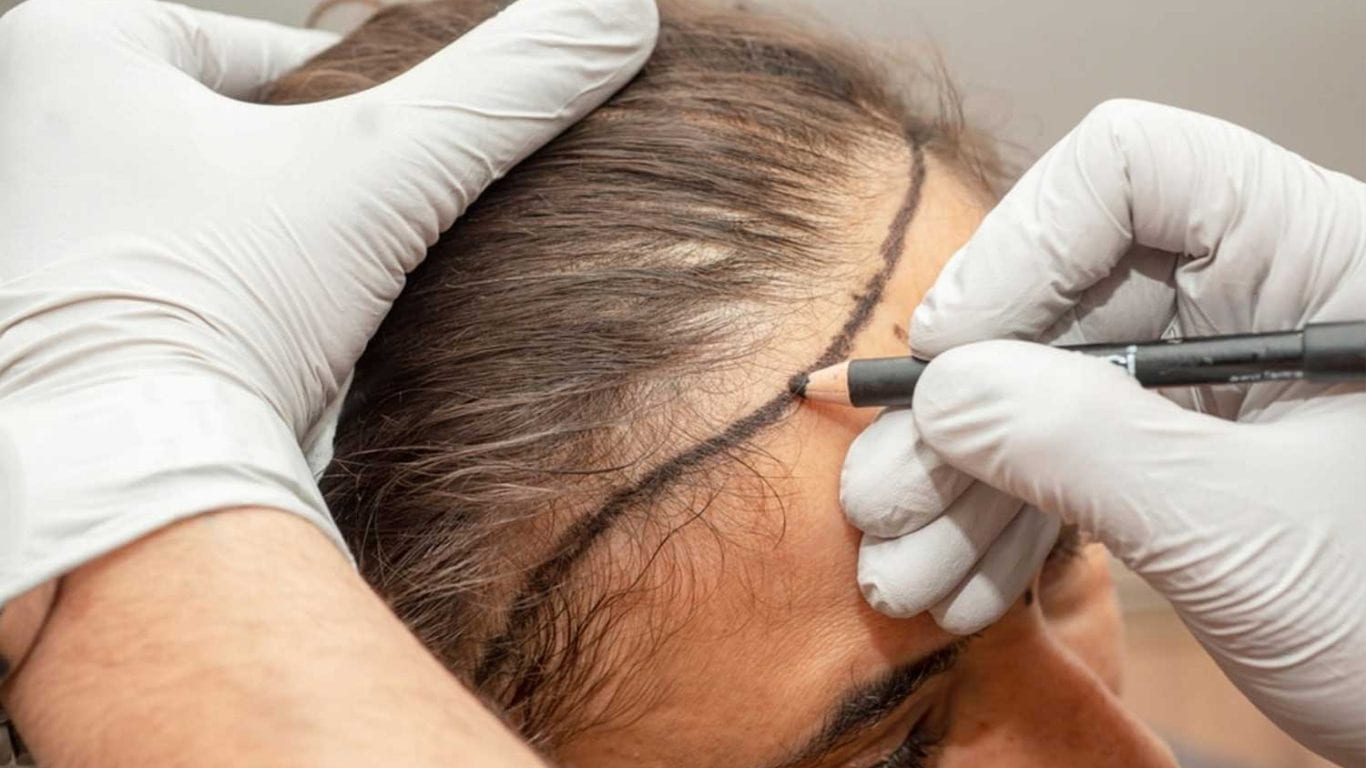
Not all hair loss comes from within. Traction alopecia arises from sustained pulling on the hair, tight ponytails, braids, extensions or buns that over time damage the follicles, typically along the hairline and above the ears. Caught early it is reversible; discovered late the damage can become permanent, because the follicle is destroyed and leaves scar tissue with no hair production.
Heavy heat styling, aggressive chemical treatment (bleaching, perming, straightening) and frequent harsh combing can also cause breakage that looks like hair loss, but is in reality damaged shafts rather than lost follicles. Here gentle handling helps, not medication. Knowing the difference saves you from unnecessary treatment.
When and how should you be assessed?

See a doctor or a dermatologist if you experience one or more of the following: sudden or heavy hair loss, bald patches, hair loss accompanied by itching, burning, redness or scaling, or hair loss combined with other symptoms such as fatigue, weight change or irregular periods. Prompt assessment matters, because some causes have a treatment window that closes.
What an assessment typically includes
- History: Time course, family predisposition, medication, diet, stress and any events 2-3 months before the loss.
- Clinical examination: Pattern, signs of miniaturisation, a “pull test” and possibly trichoscopy (magnified examination of the scalp).
- Blood tests: Ferritin/iron, thyroid function (TSH), vitamin D and, where needed, hormones.
Only once the cause is known does it make sense to choose a treatment, whether medical (as described under slowing hair loss without surgery) or surgical (as covered under hair transplant methods).
Summary
Hair loss is a symptom with many faces. By far the majority of permanent losses are caused by androgenetic alopecia, where DHT gradually miniaturises genetically sensitive follicles, and where the DHT resistant hairs at the back of the head form the basis for a lasting transplant. But a considerable number of losses are caused by temporary or treatable conditions such as telogen effluvium, deficiencies, thyroid disorders or autoimmune alopecia areata, where surgery is neither necessary nor helpful.
The most important decision you can make is therefore not to choose a treatment, but to obtain the correct diagnosis first. That is the foundation for everything that follows, and what separates a well spent course of treatment from wasted time and money.
Frequently asked questions
How many hairs is it normal to lose in a day?
It is entirely normal to lose between 50 and 100 hairs a day. These are hairs completing their natural resting phase. Concern is only warranted if the loss is markedly greater, persistent, or accompanied by visible thinning or bald patches.
Can you tell hereditary hair loss apart from temporary hair loss?
Yes, often from the pattern. Hereditary (androgenetic) hair loss is gradual and localised to the hairline, the temples or the crown, with clear thinning (miniaturisation). Temporary hair loss (telogen effluvium), by contrast, is typically sudden and evenly distributed across the whole head. A specialist can confirm the difference with trichoscopy.
Is hair loss after childbirth permanent?
No. Hair loss after childbirth (postpartum telogen effluvium) is almost always temporary. It is caused by the hormonal drop after pregnancy, and the hair typically grows back on its own over 6-12 months.
Can stress alone make the hair fall out?
Yes. Severe physical or psychological stress can push many follicles into the resting phase at once and trigger telogen effluvium 2-3 months later. Once the stress eases, the hair normally resumes its growth.
Do supplements and vitamins help against hair loss?
Only if you genuinely have a deficiency. Correcting a low iron, vitamin D or protein status can help. But supplements cannot stop hereditary hair loss, and taking large doses of vitamins without a demonstrated deficiency does not benefit the hair and can in some cases be harmful.
Can a blood test reveal the cause of my hair loss?
A blood test can uncover important contributing causes such as iron deficiency, low vitamin D or thyroid disorders, but it cannot in itself diagnose androgenetic alopecia. It should be combined with your history and a clinical examination of the scalp.
When should I see a doctor about my hair loss?
See a doctor in cases of sudden or heavy hair loss, bald patches, or if the hair loss is accompanied by itching, burning, scaling or other symptoms such as fatigue or weight change. Early assessment is important, because some causes have a treatment window.
Get a no-obligation assessment against fixed criteria, directly on WhatsApp.