Hair transplant before and after: real results, and how to judge them
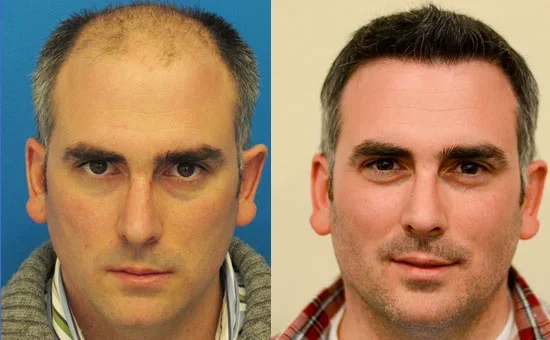
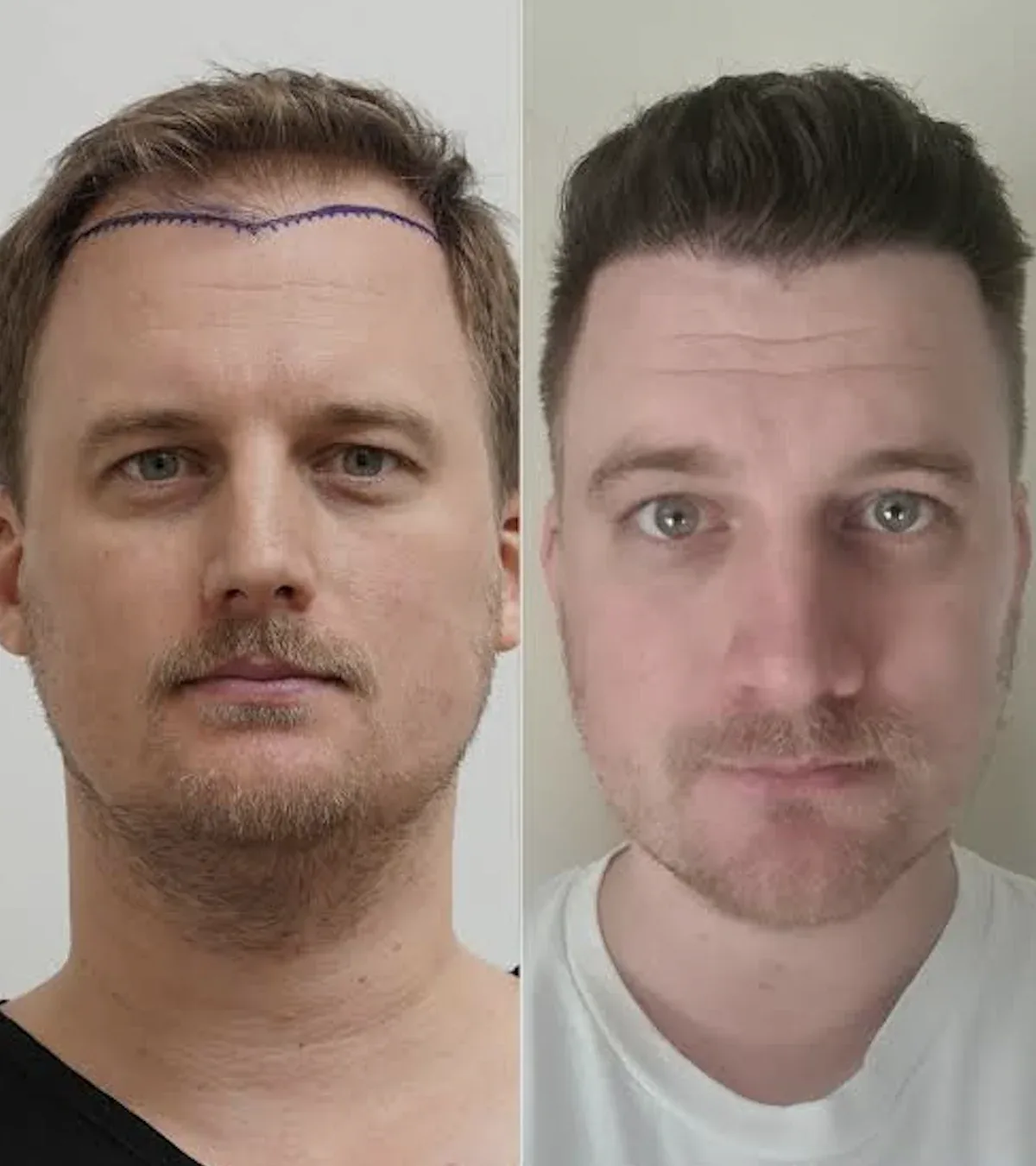
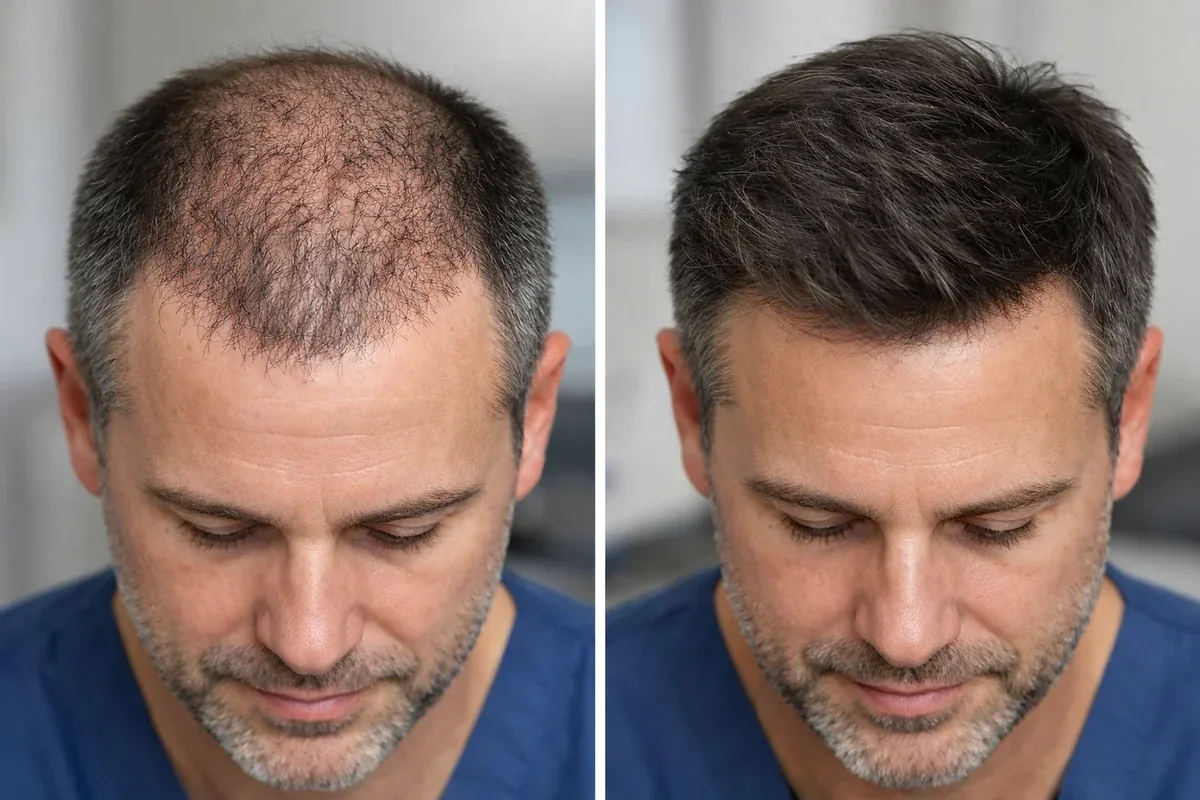
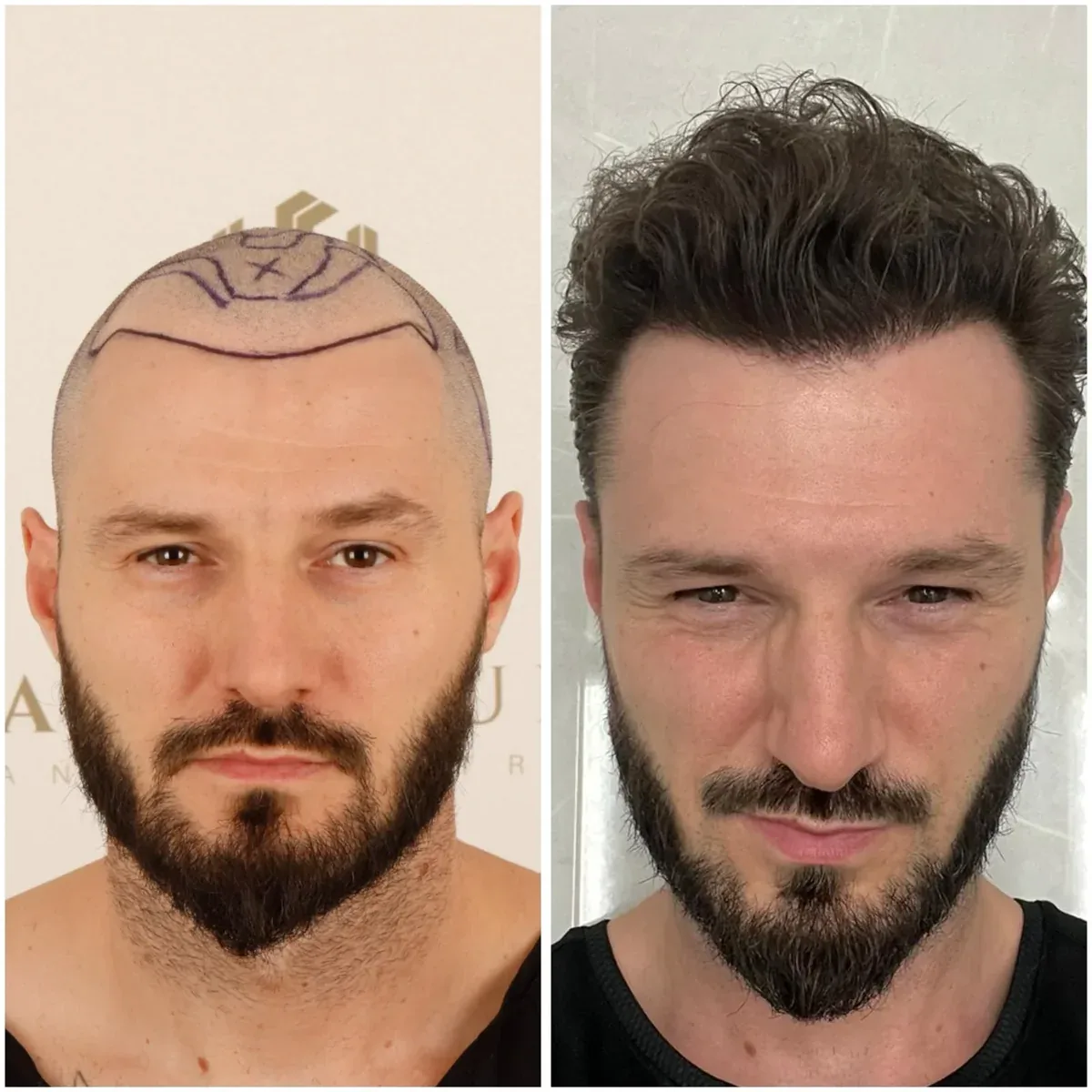
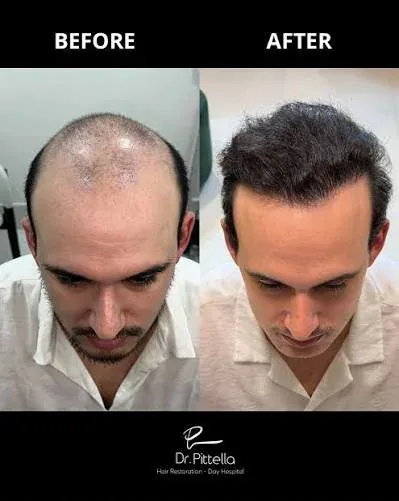
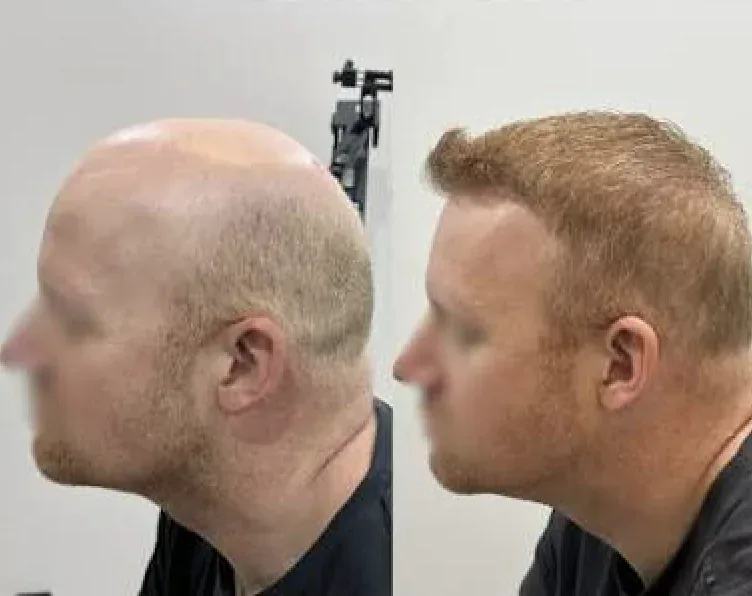
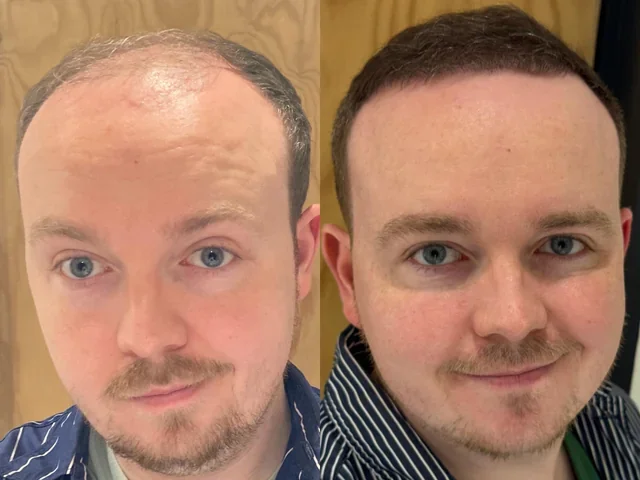
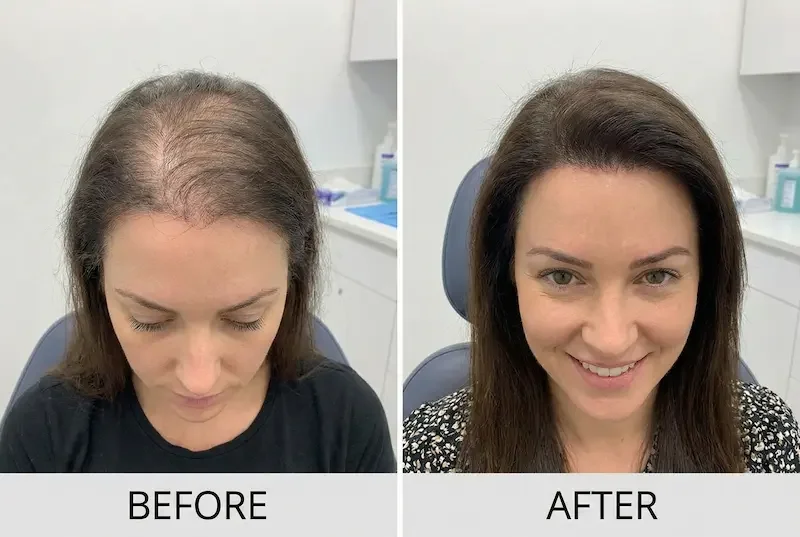
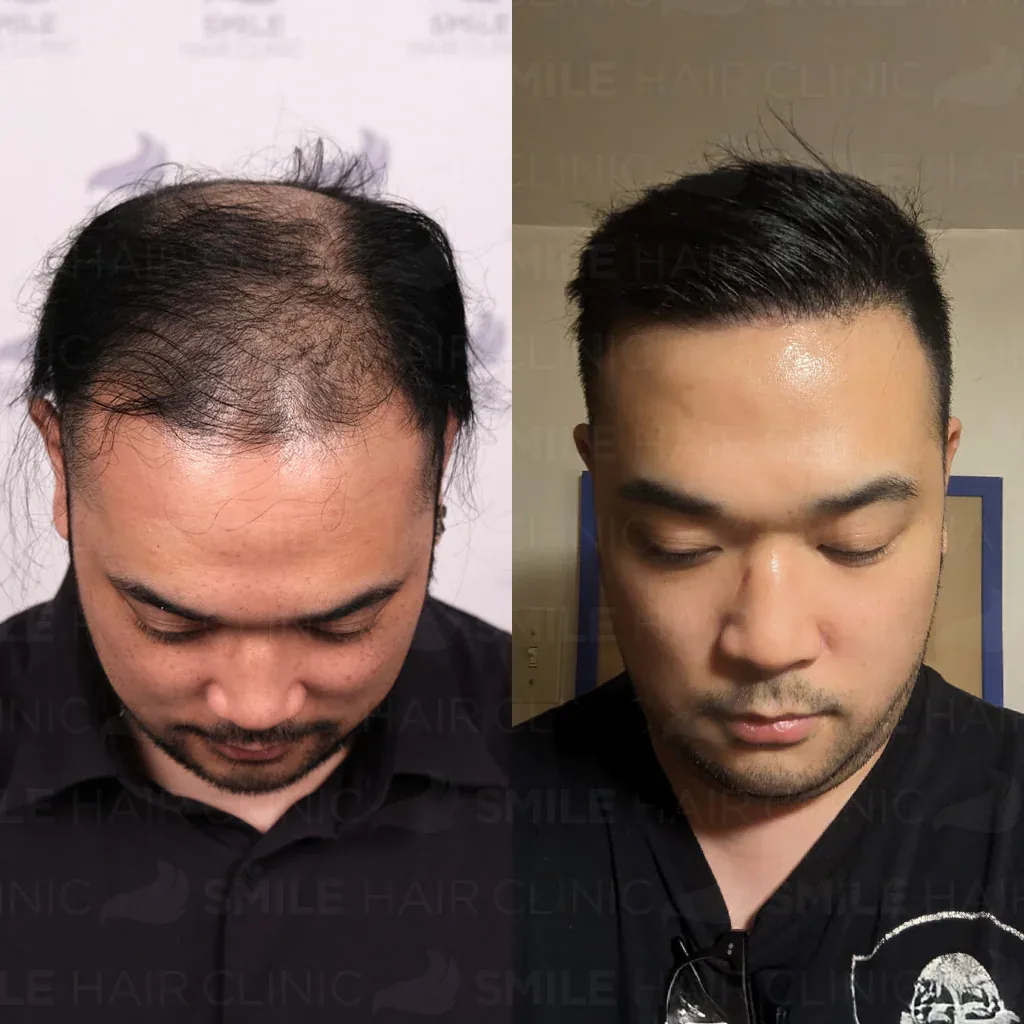
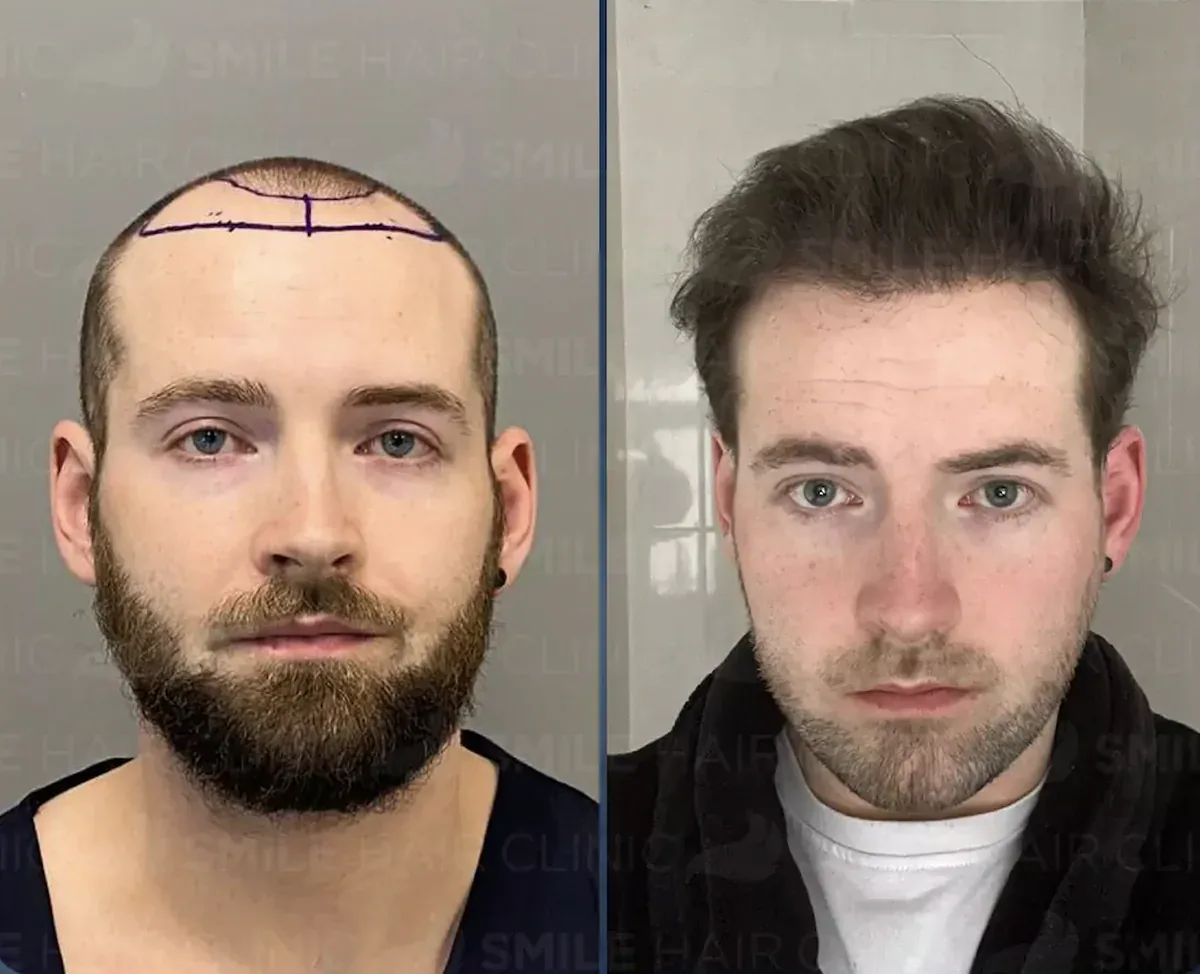
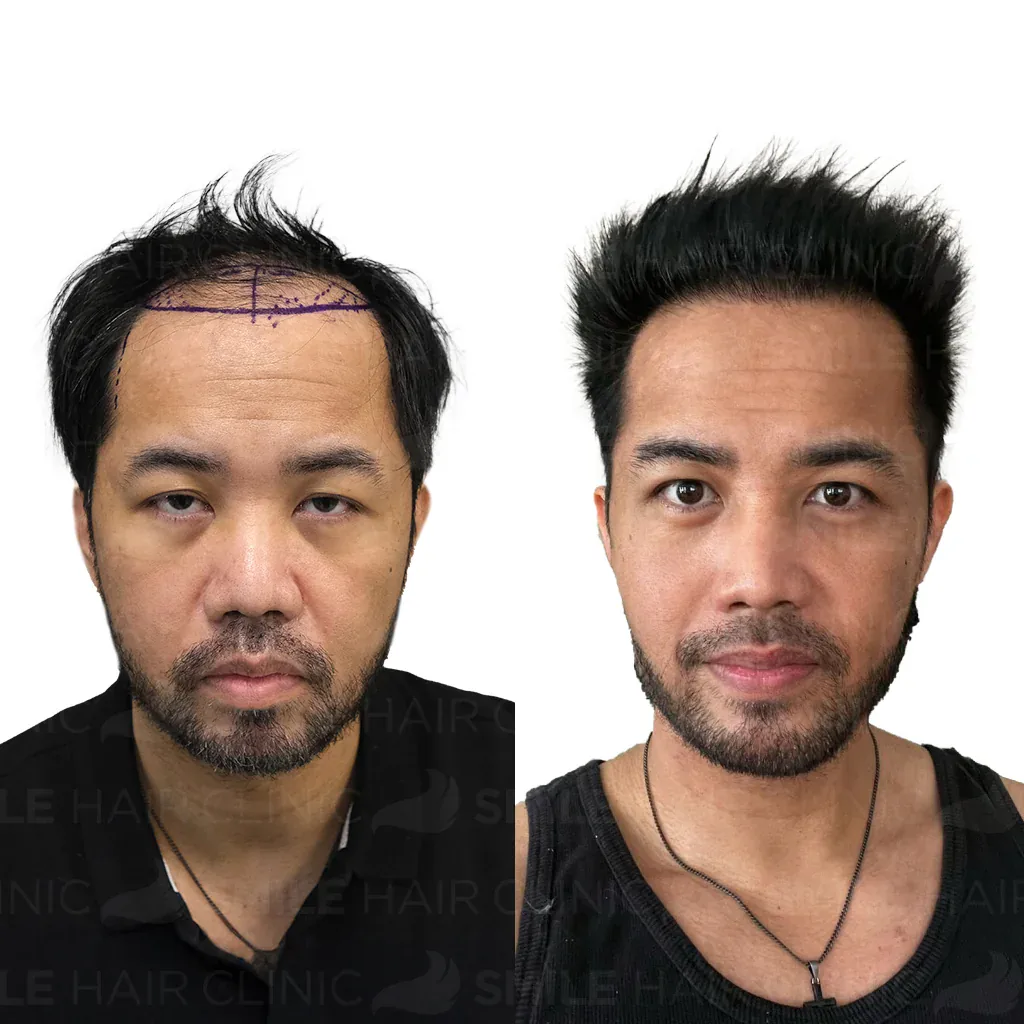
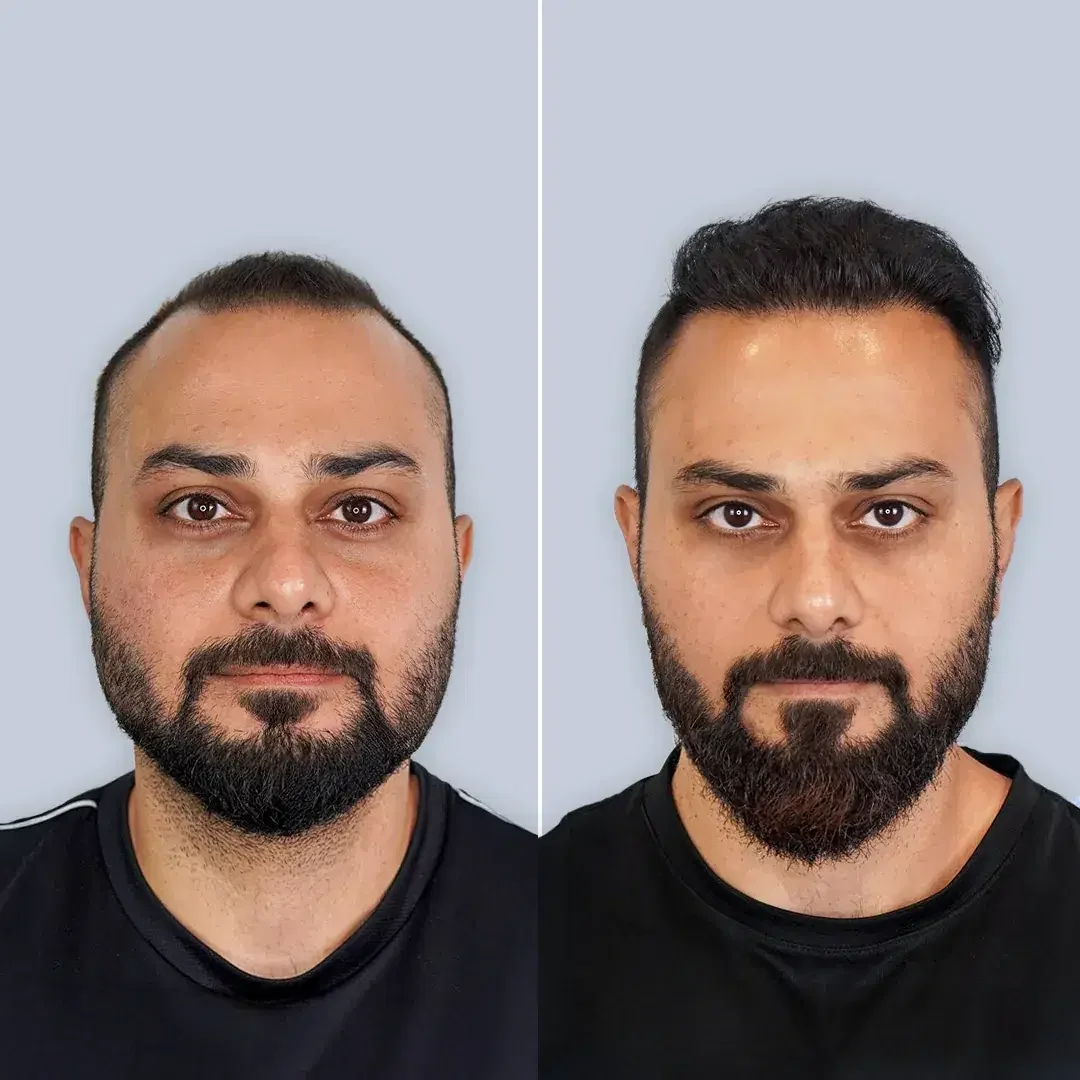
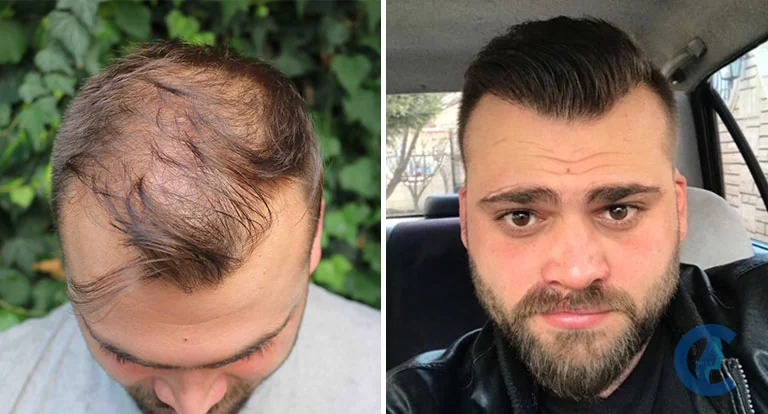
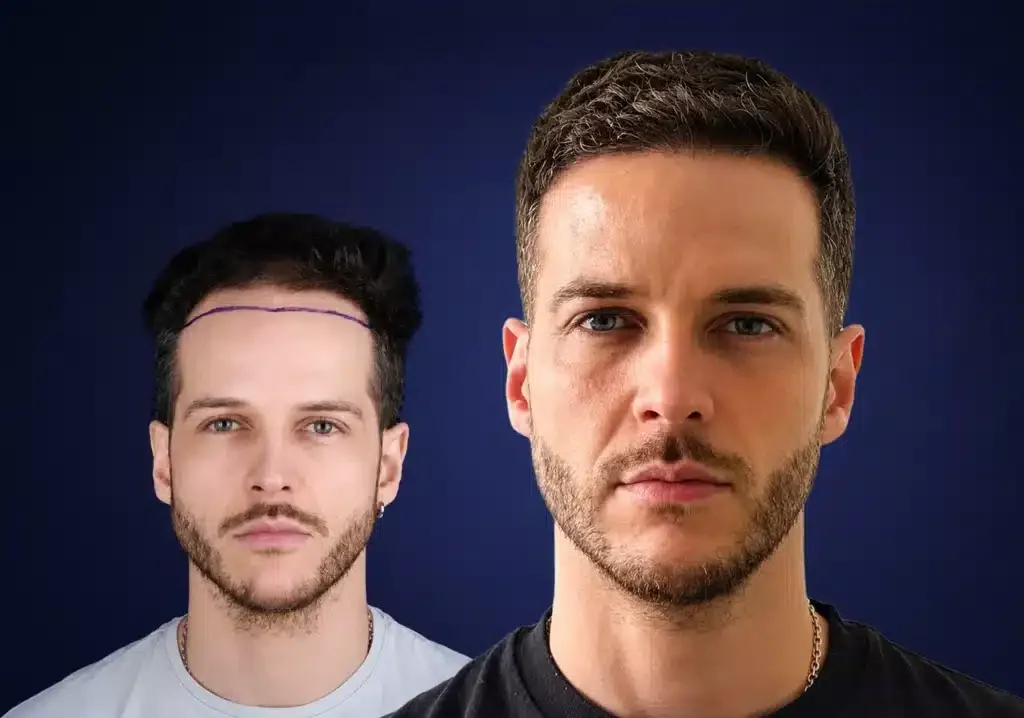
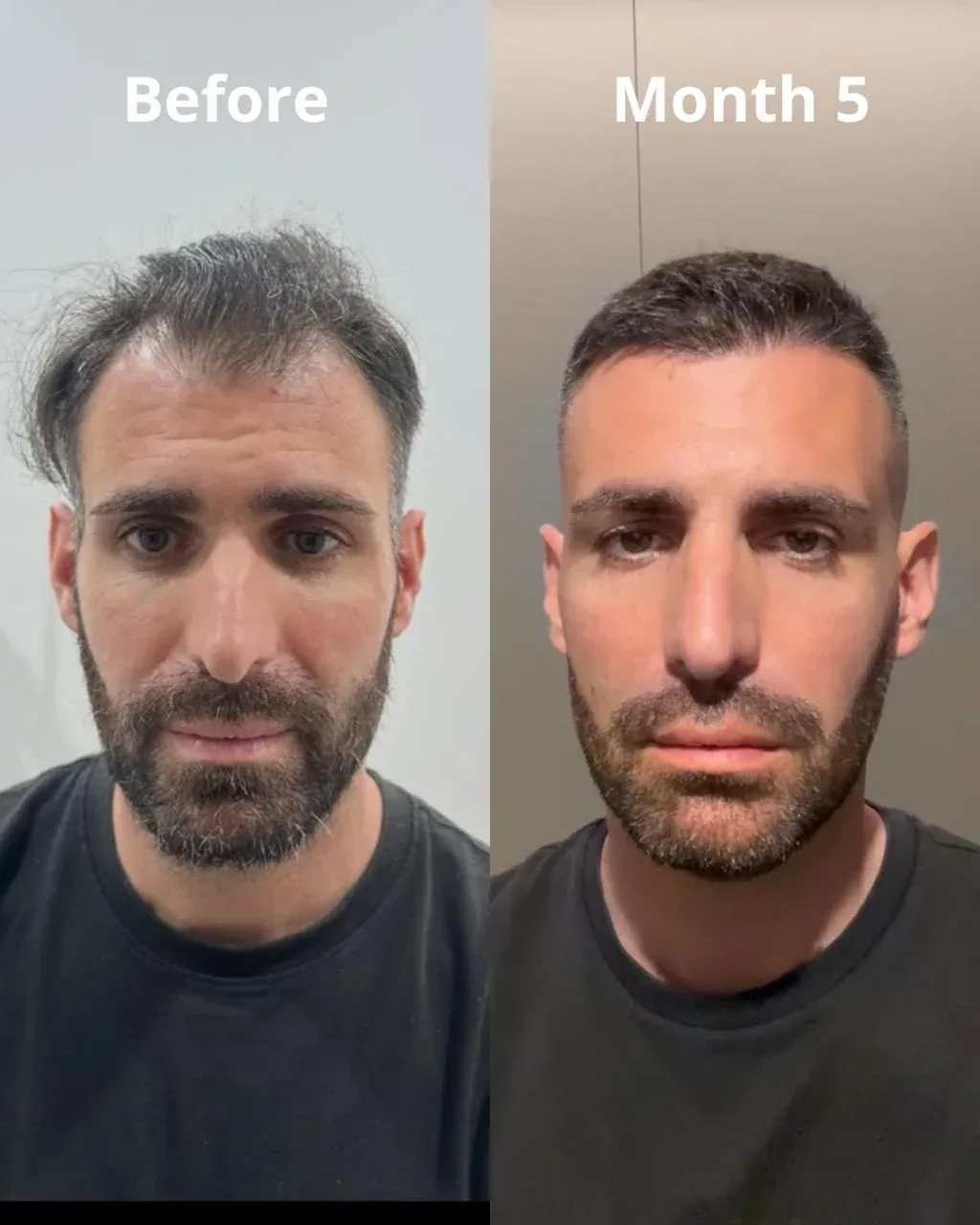
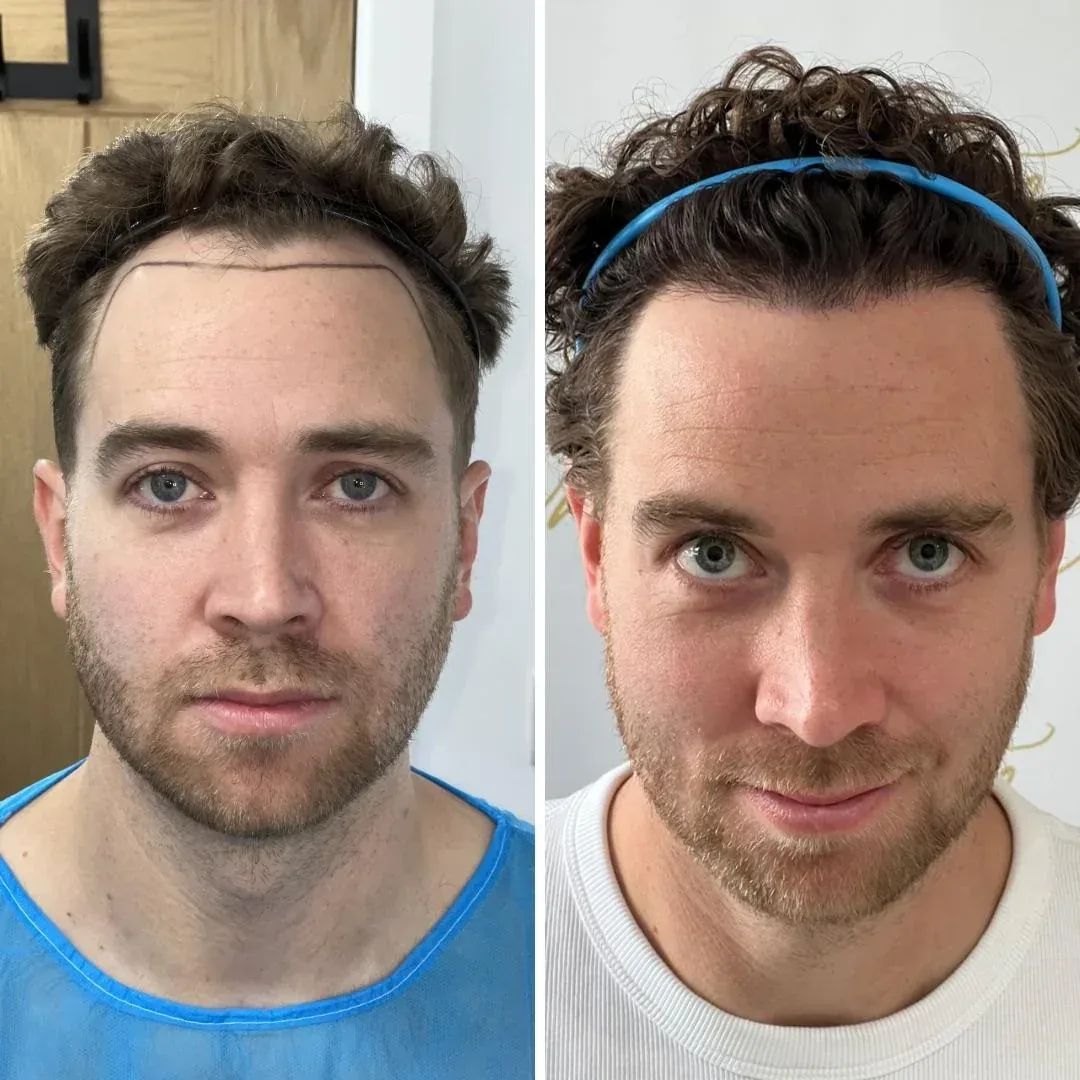
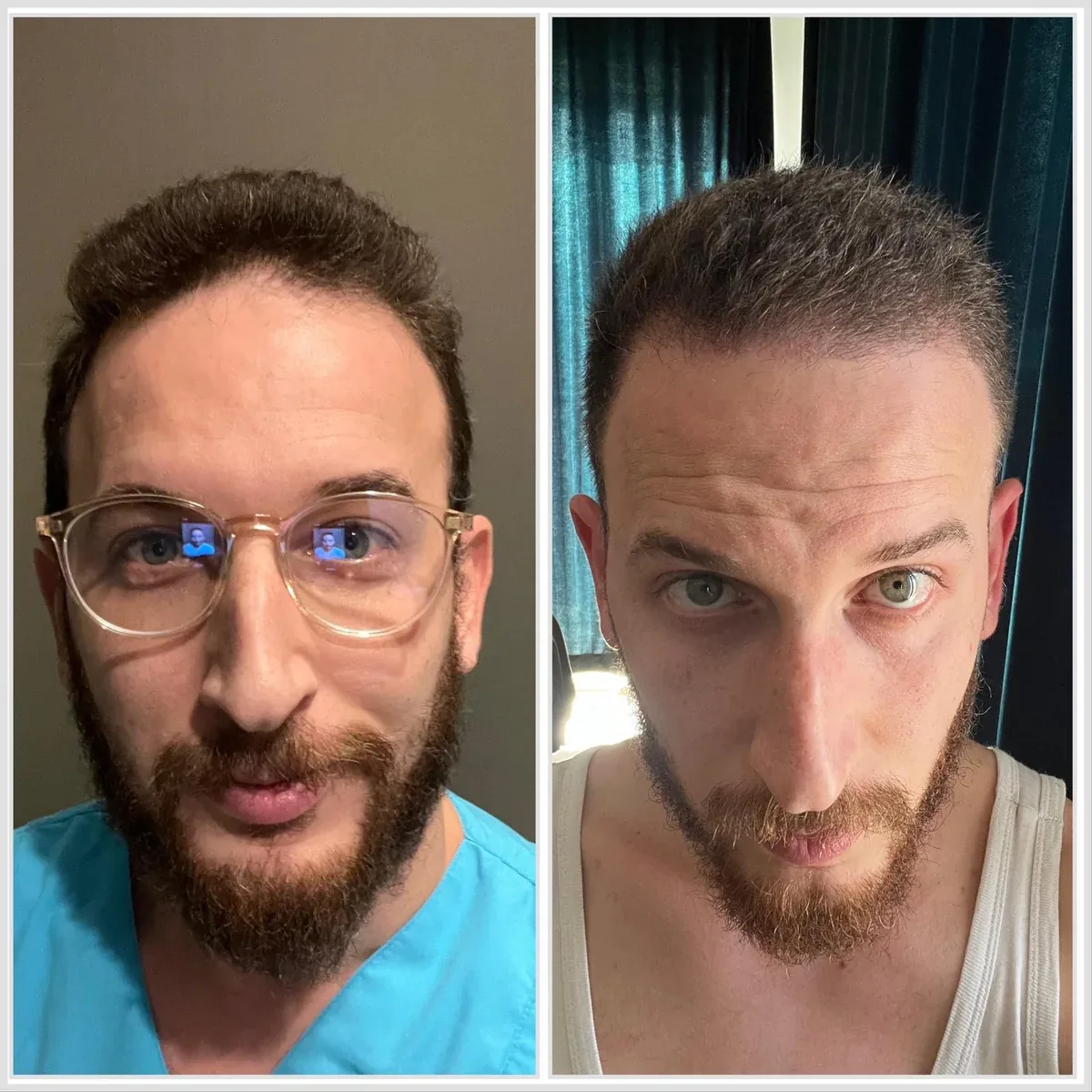
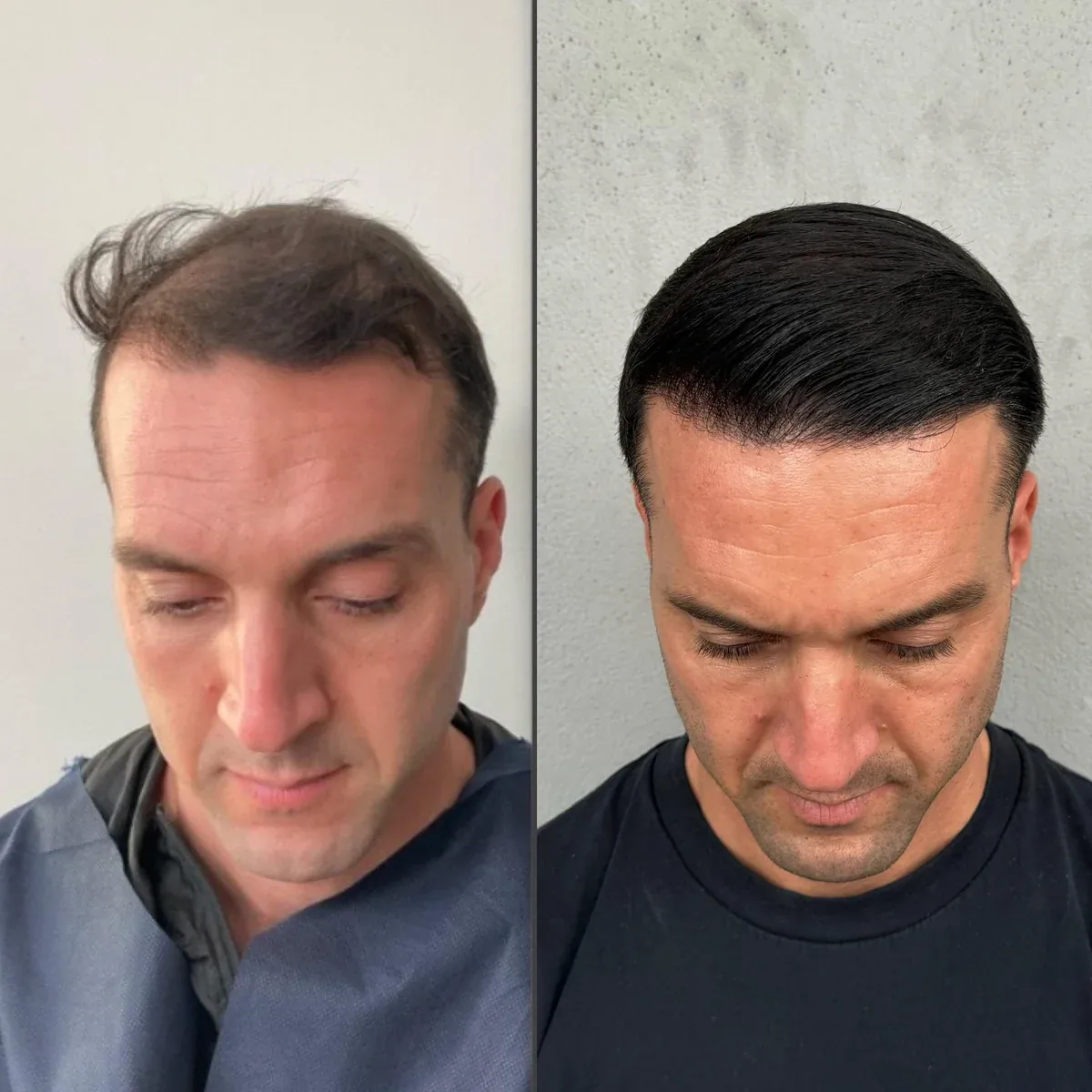
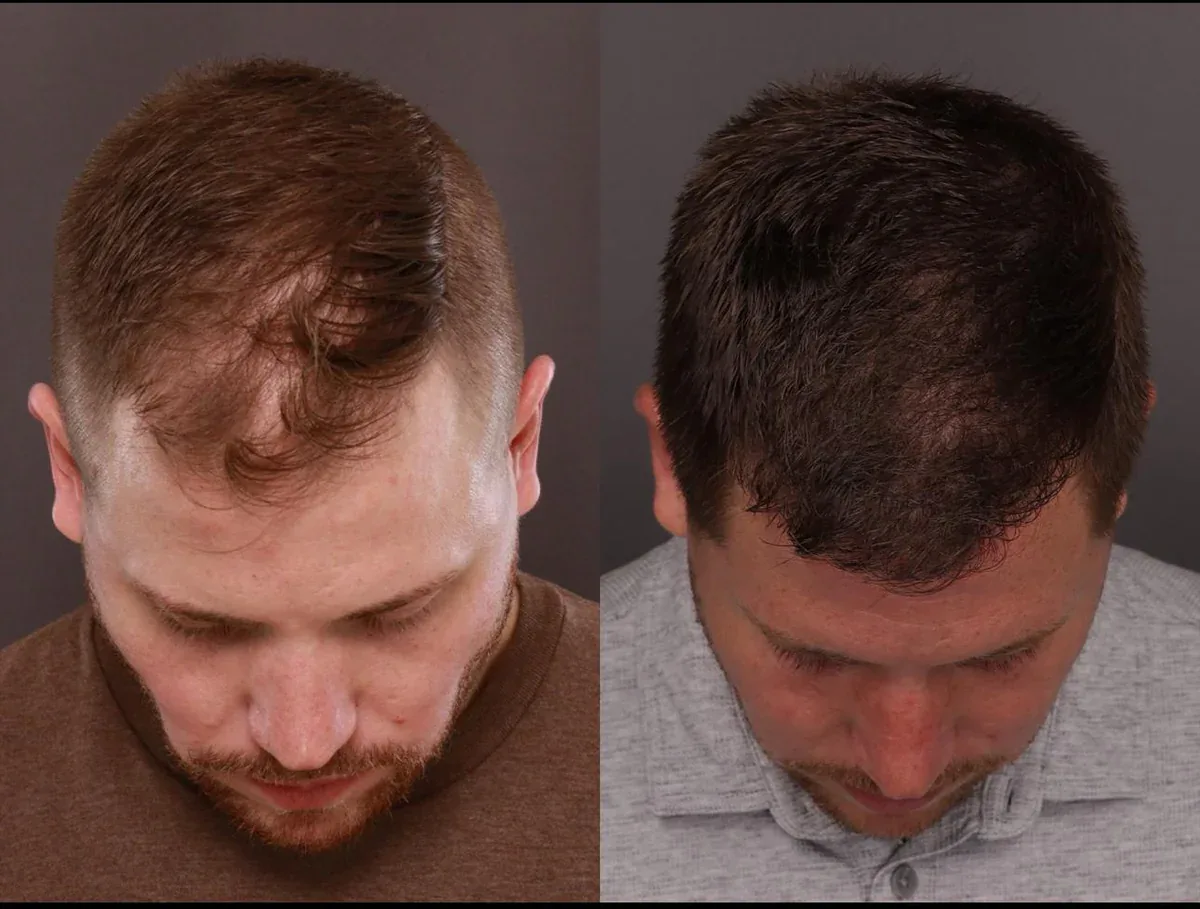
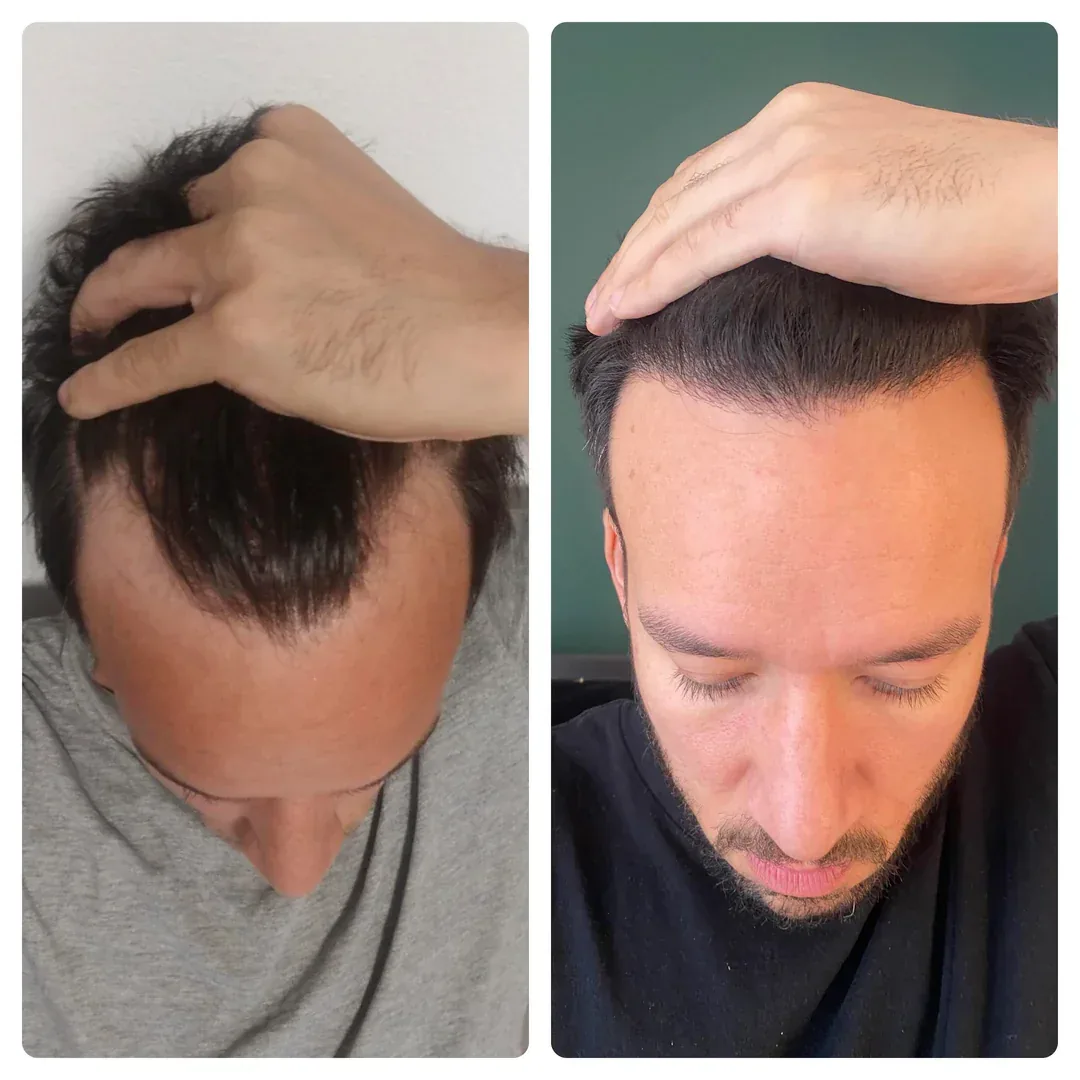
A trustworthy before-and-after case states four things next to the photos: the number of grafts, the method, the time since surgery, and comparable photo conditions, same angle, same lighting, dry hair in both shots. When those four are present, you can judge the result. When they are missing, you are looking at marketing.
The cases on this page are published with the clinics' permission and with their conditions stated, and we add new cases continuously. Use them for two things: as evidence of what a well-planned transplant delivers, and as a benchmark for judging any clinic's own galleries, including the ones that never show a date.
The cases
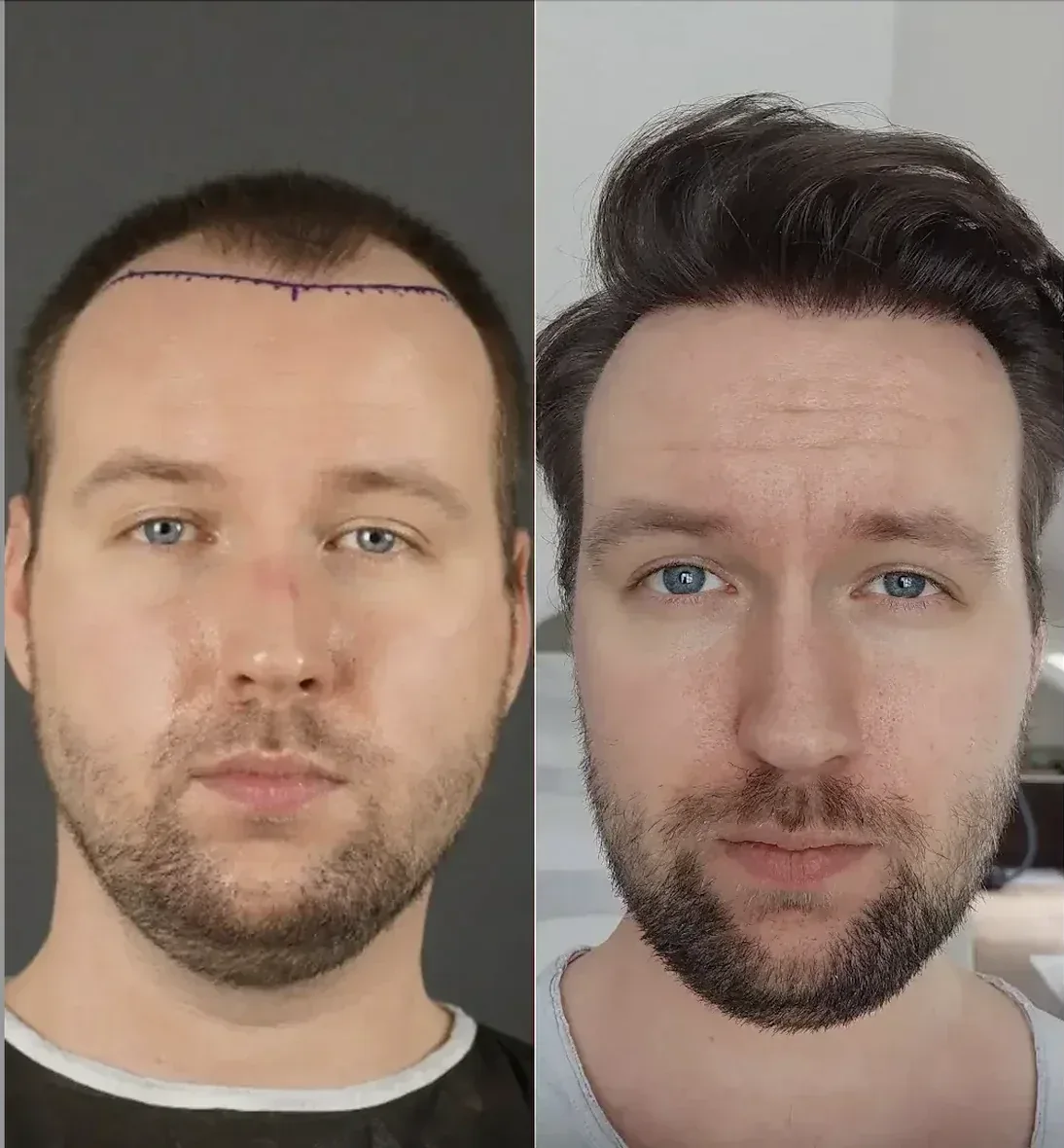
Case 1
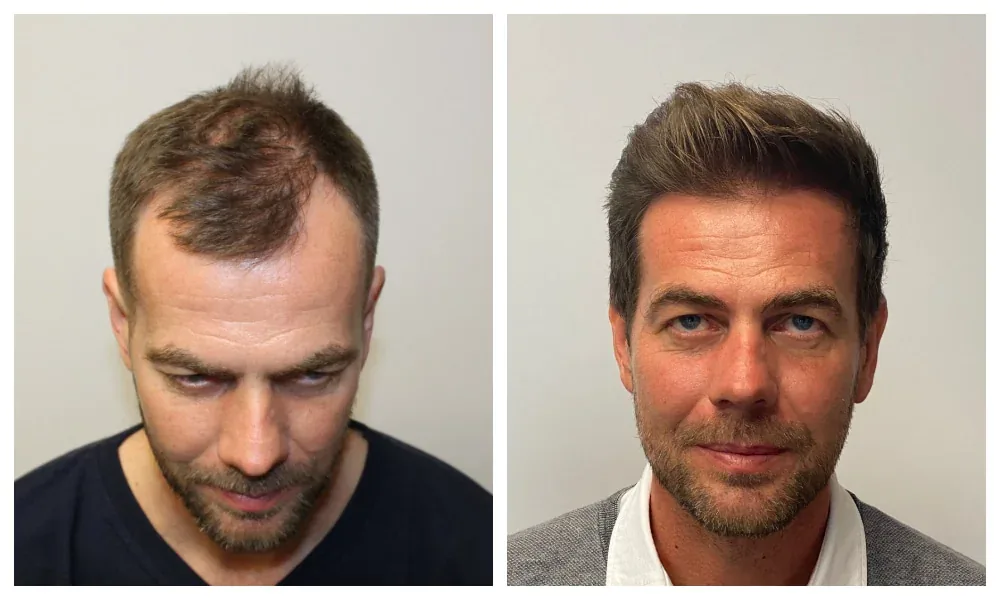
Case 2
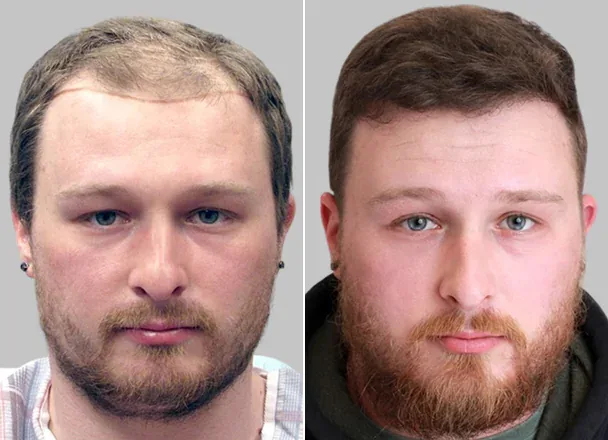
Case 3
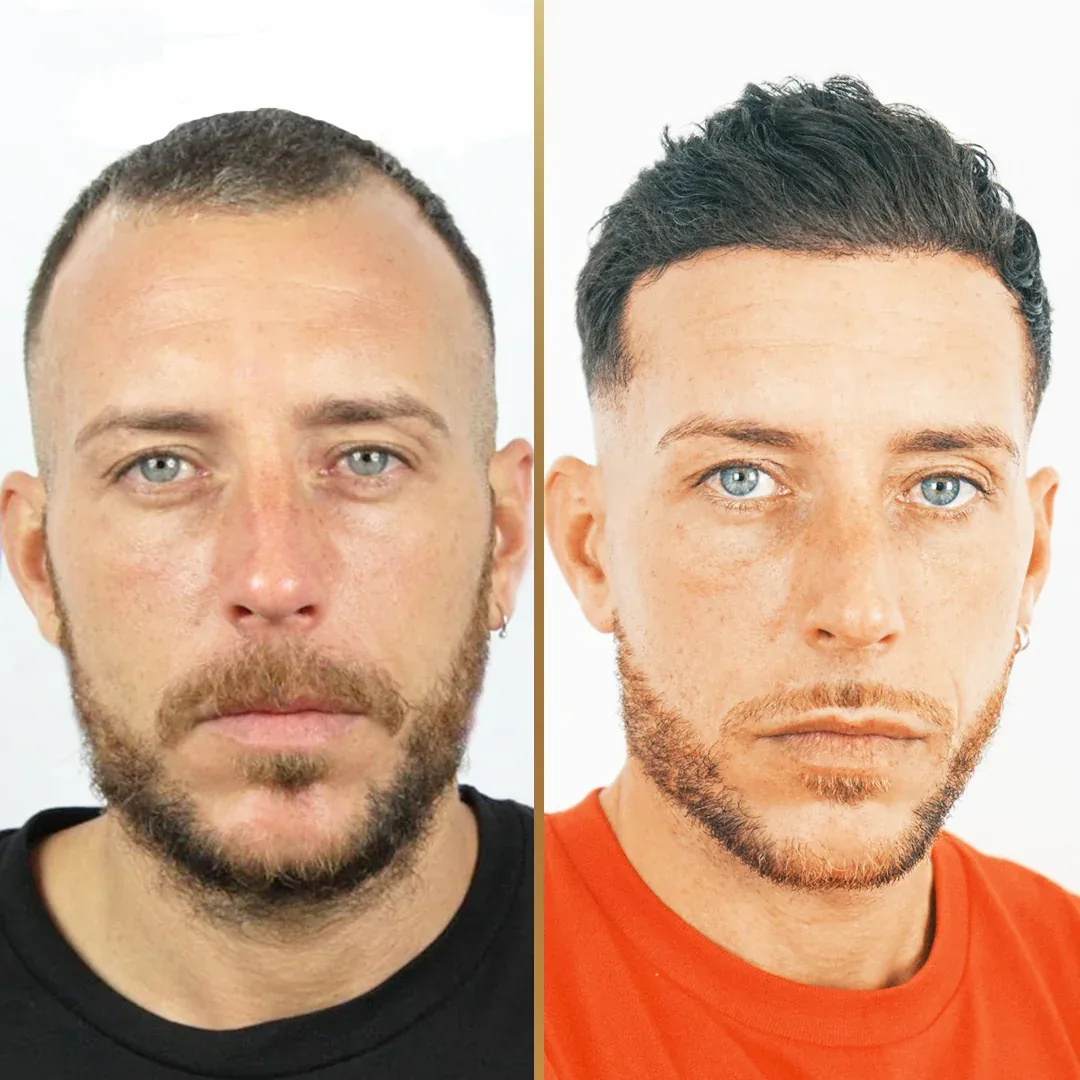
Case 4
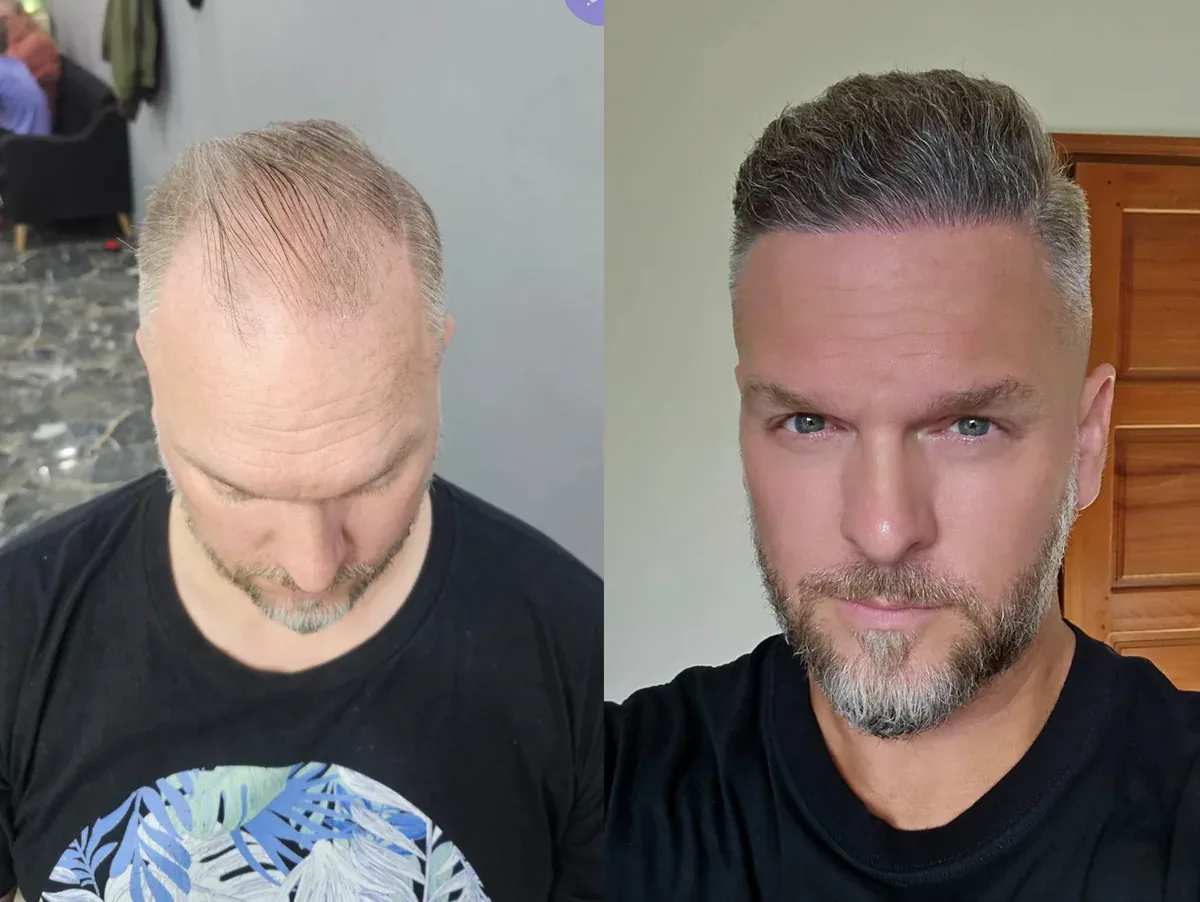
Case 5
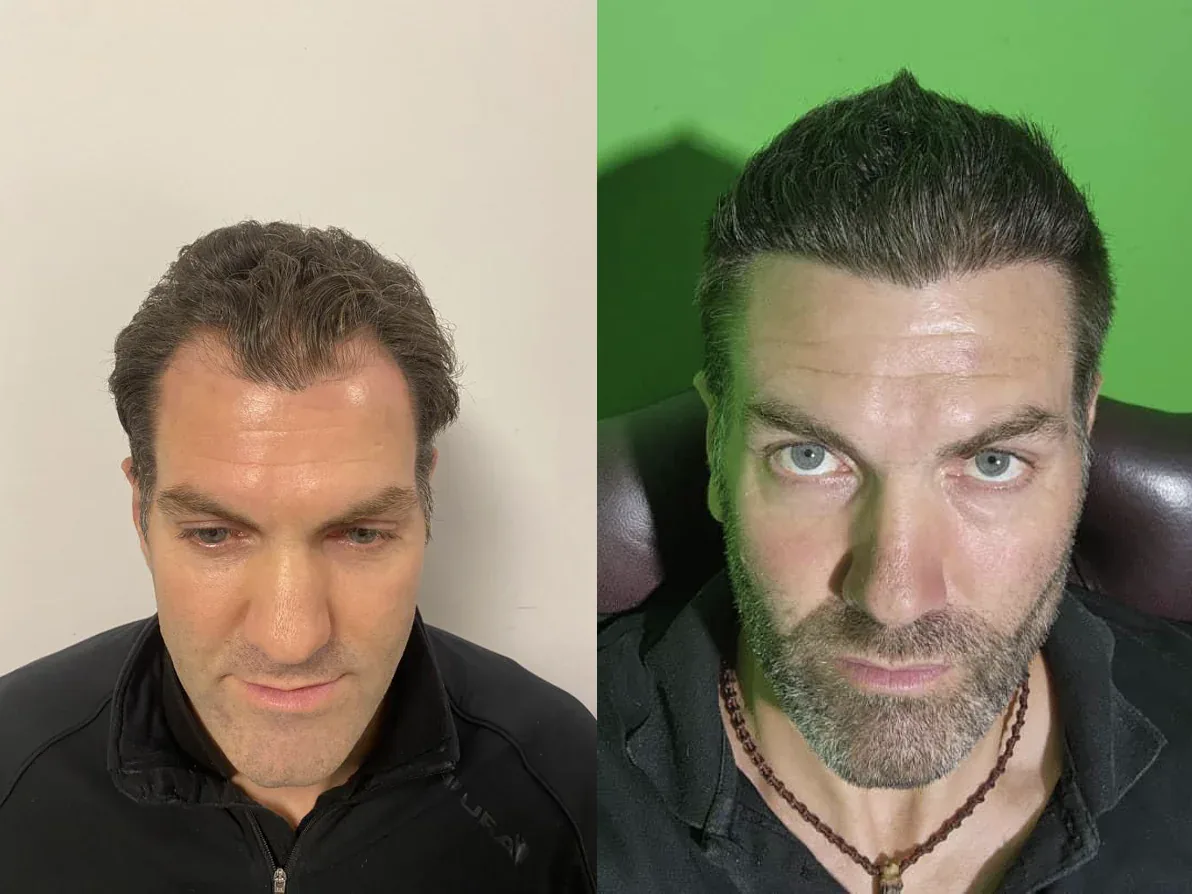
Case 6
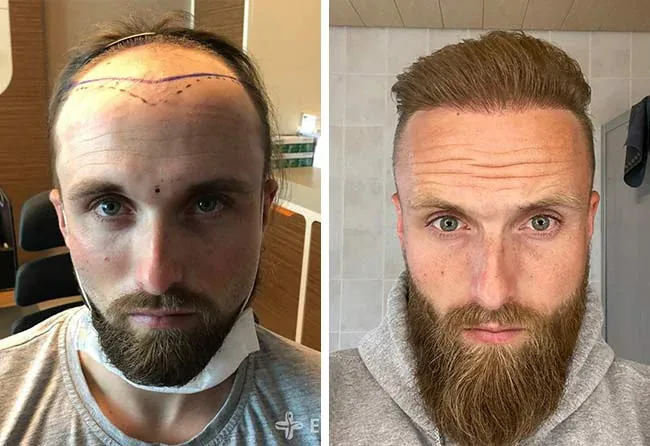
Case 7
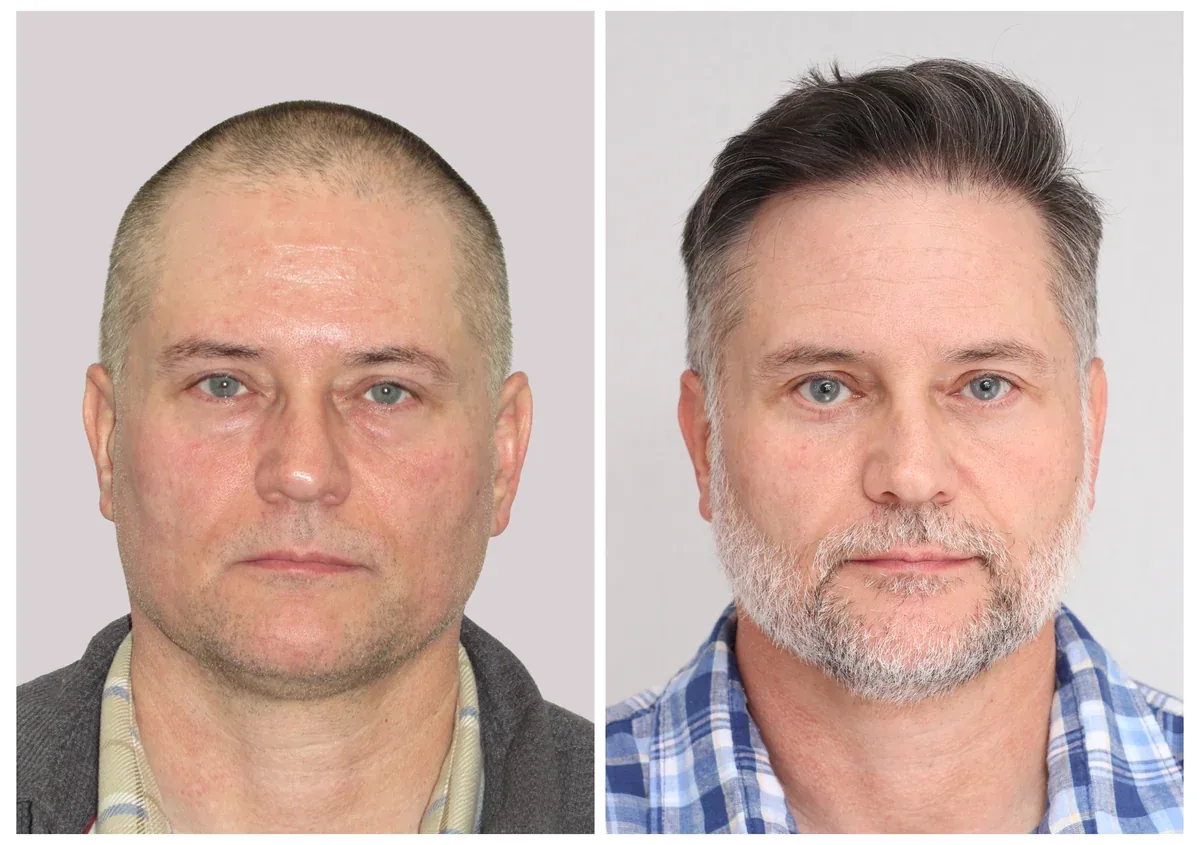
Case 8
Case 9
Case 10
Case 11
Case 12
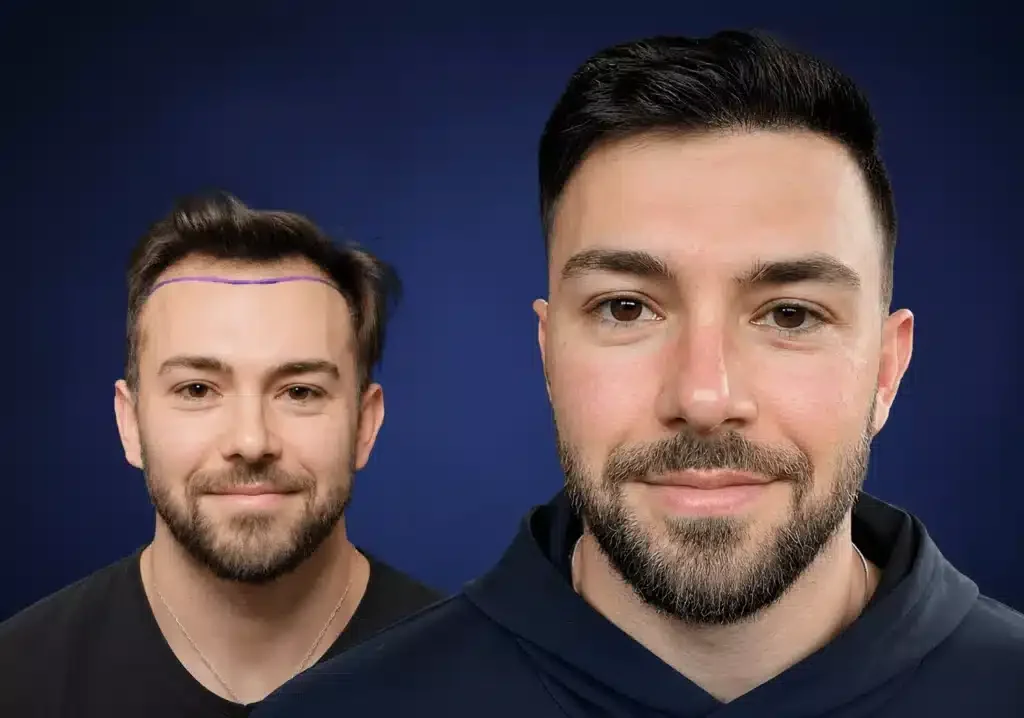
Case 13
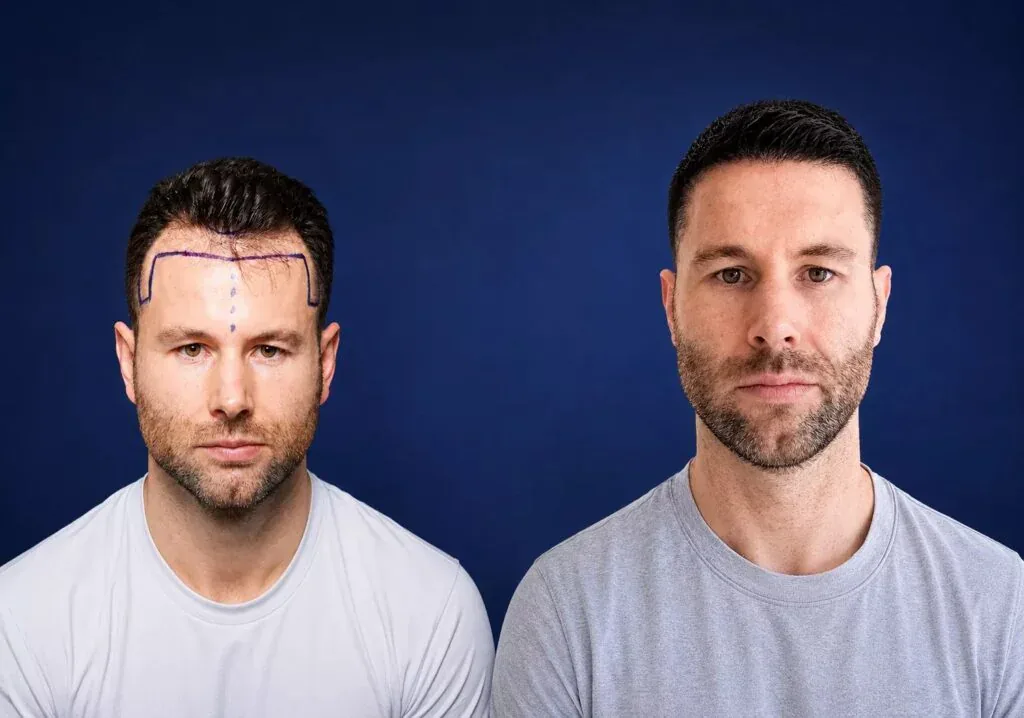
Case 14
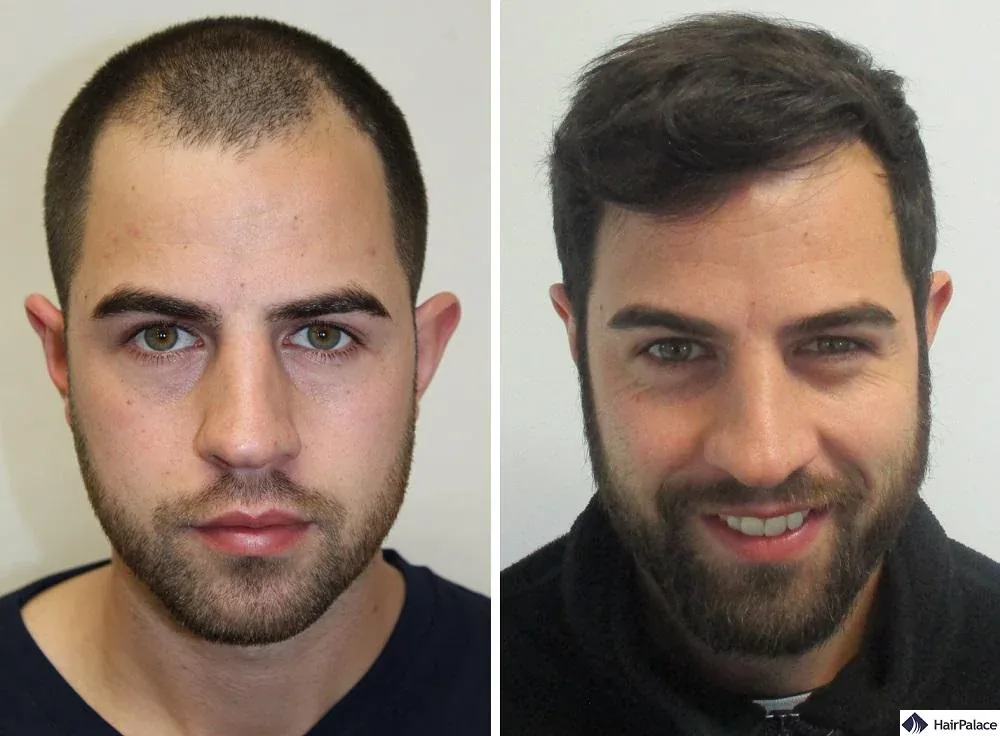
Case 15
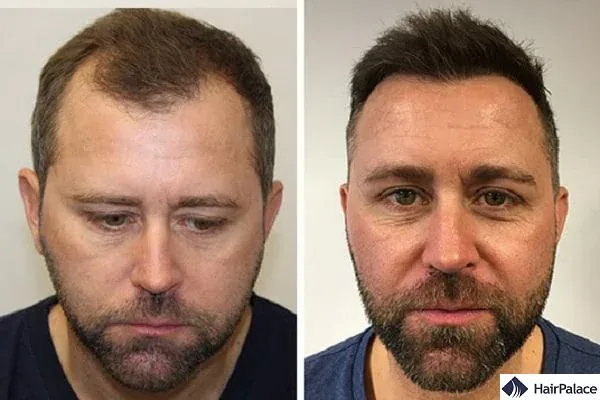
Case 16
Case 17
Case 18
Case 19
Case 20
Case 21
Case 22
Case 23
Case 24
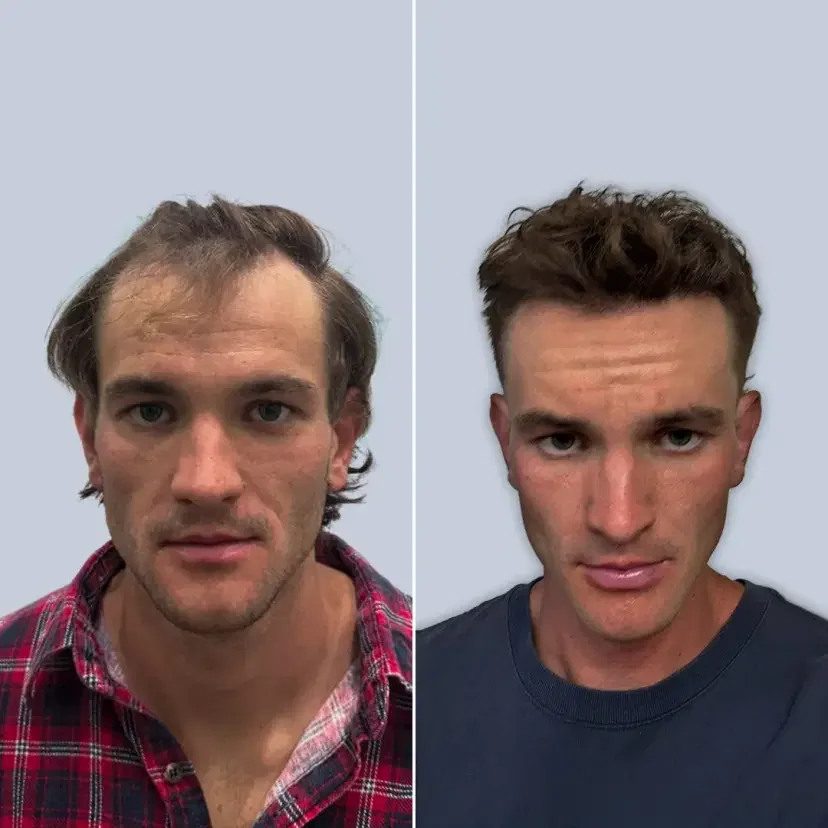
Case 25
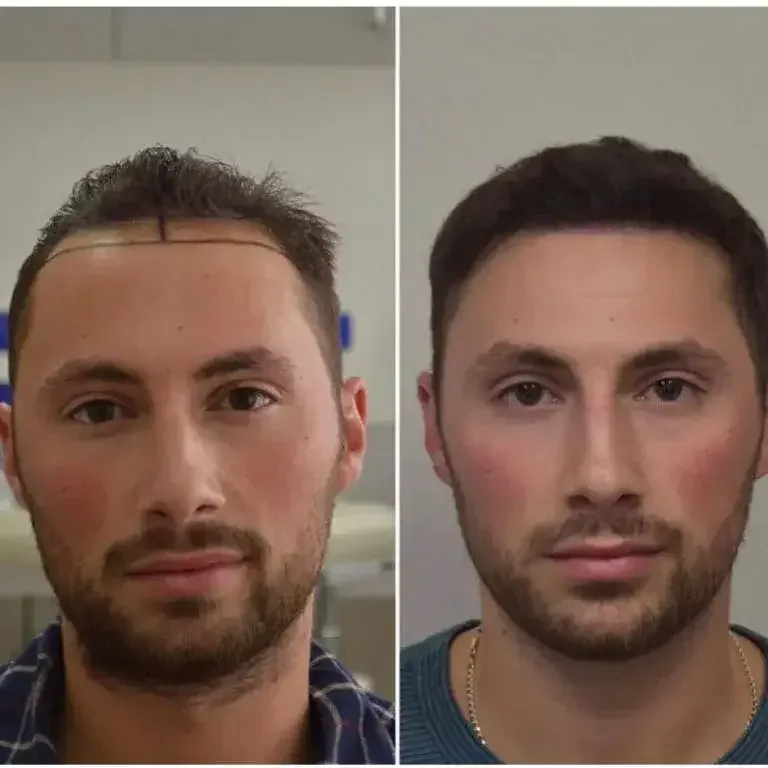
Case 26
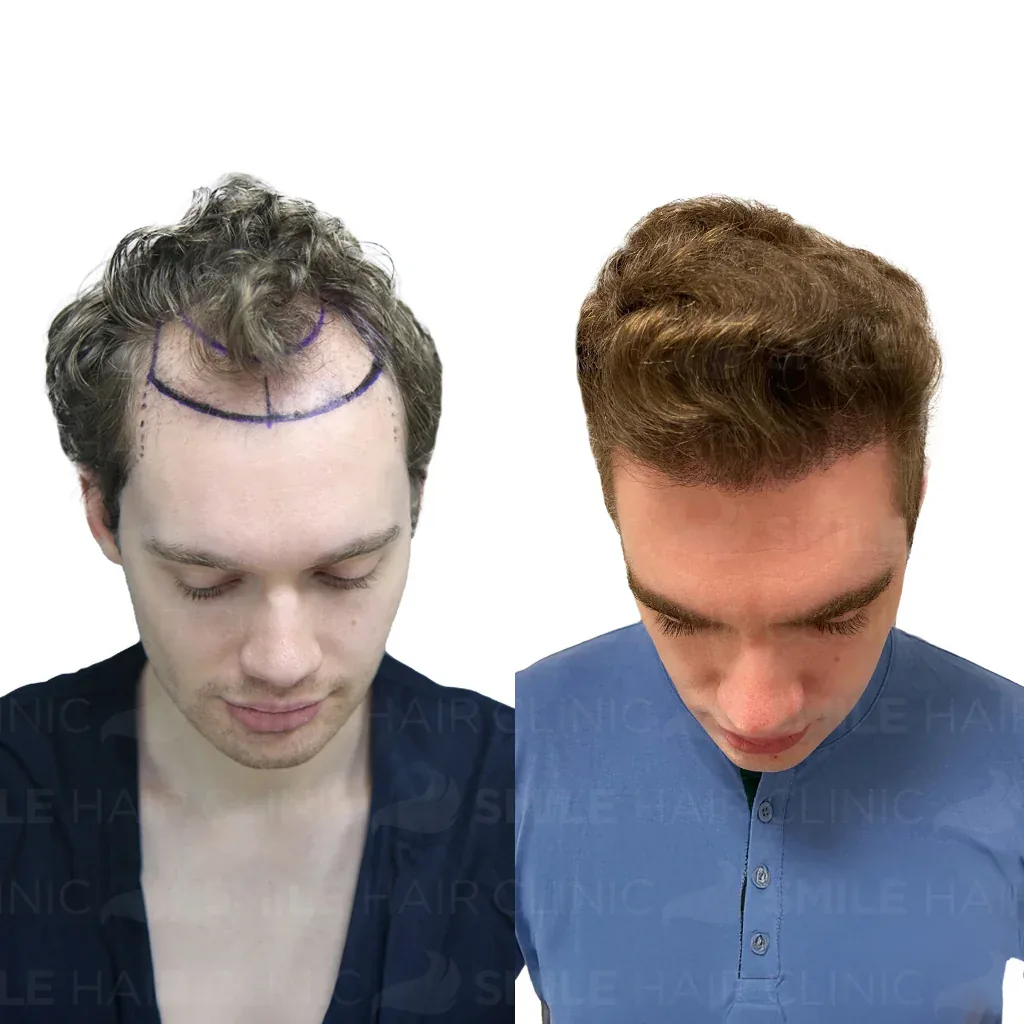
Case 27
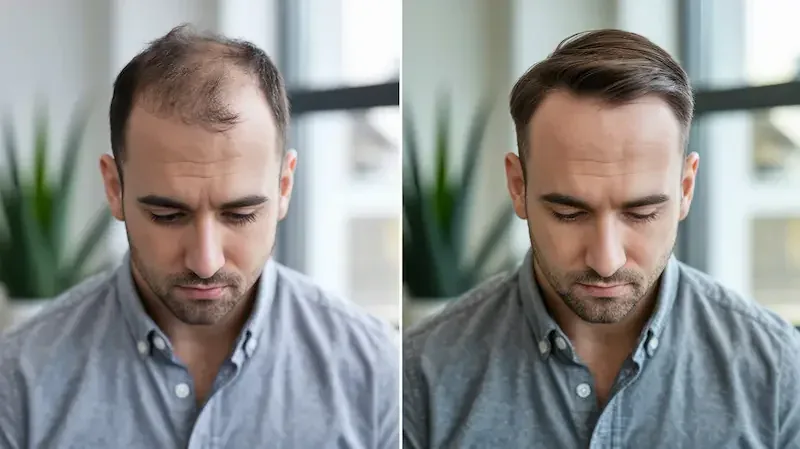
Case 28
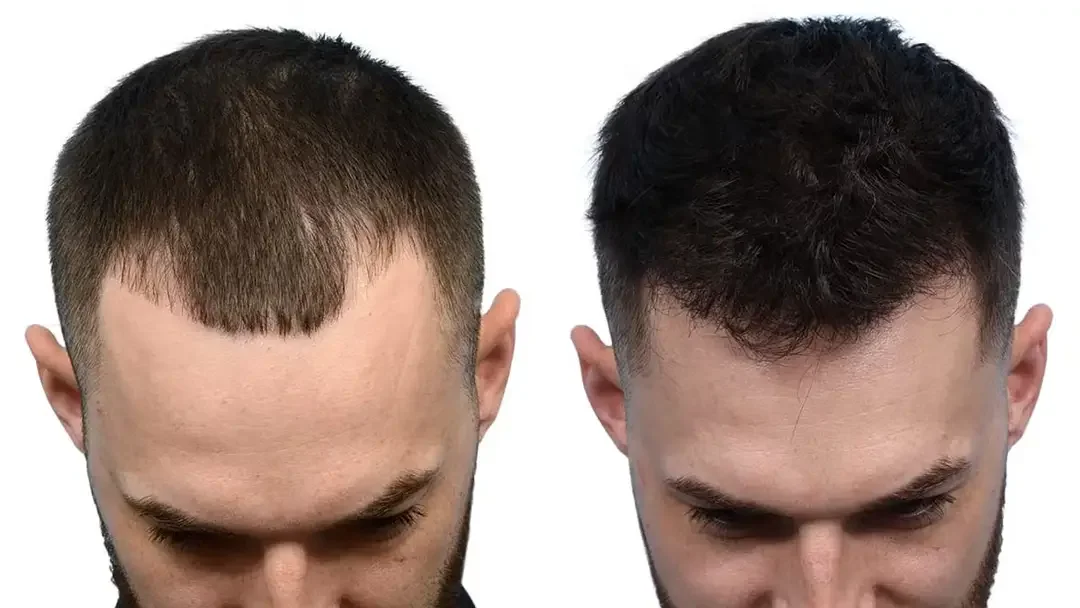
Case 29
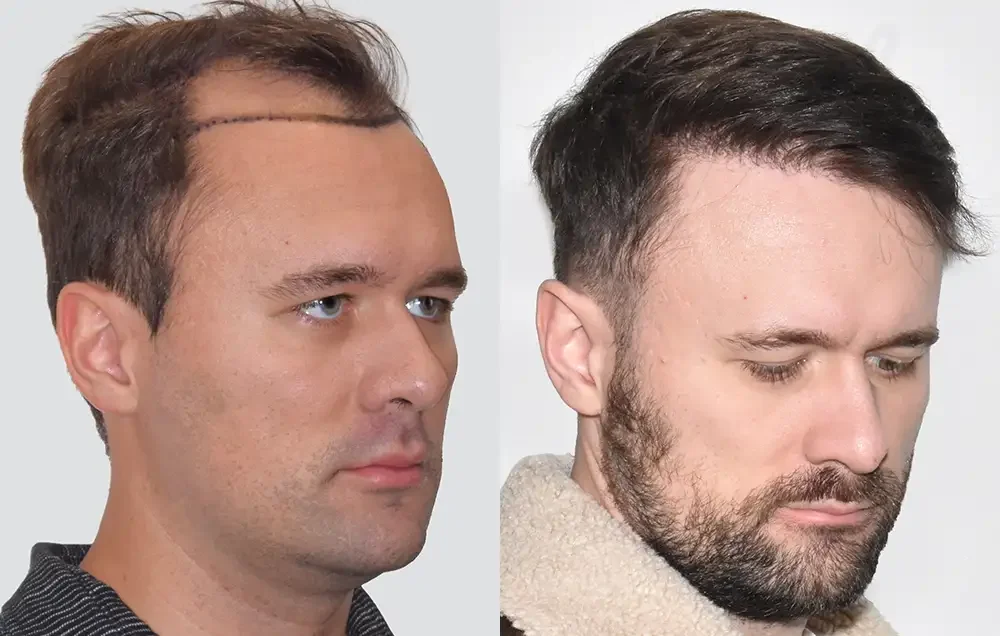
Case 30
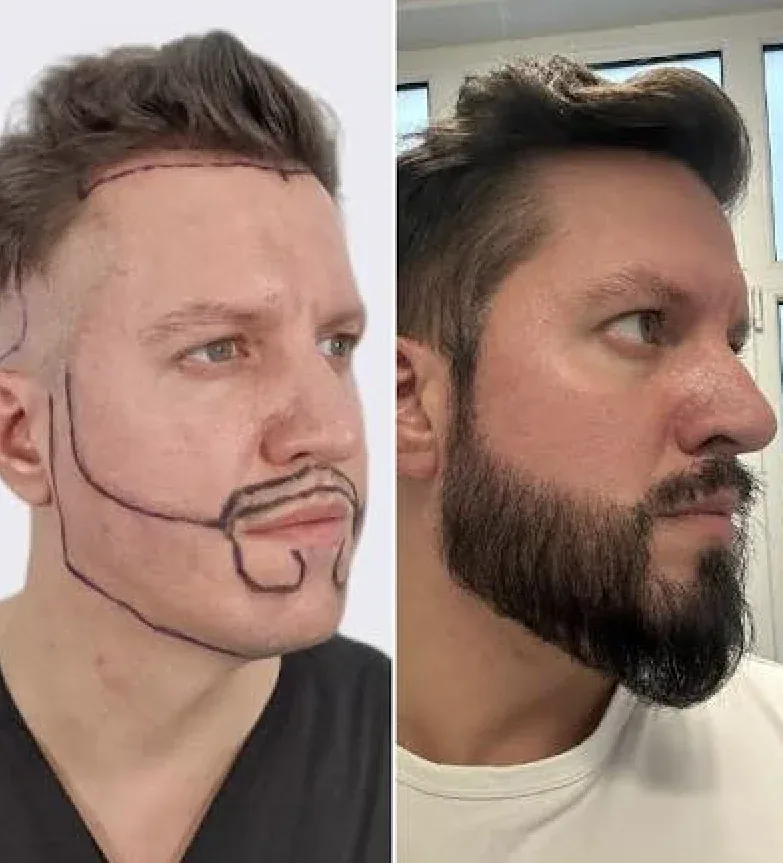
Case 31
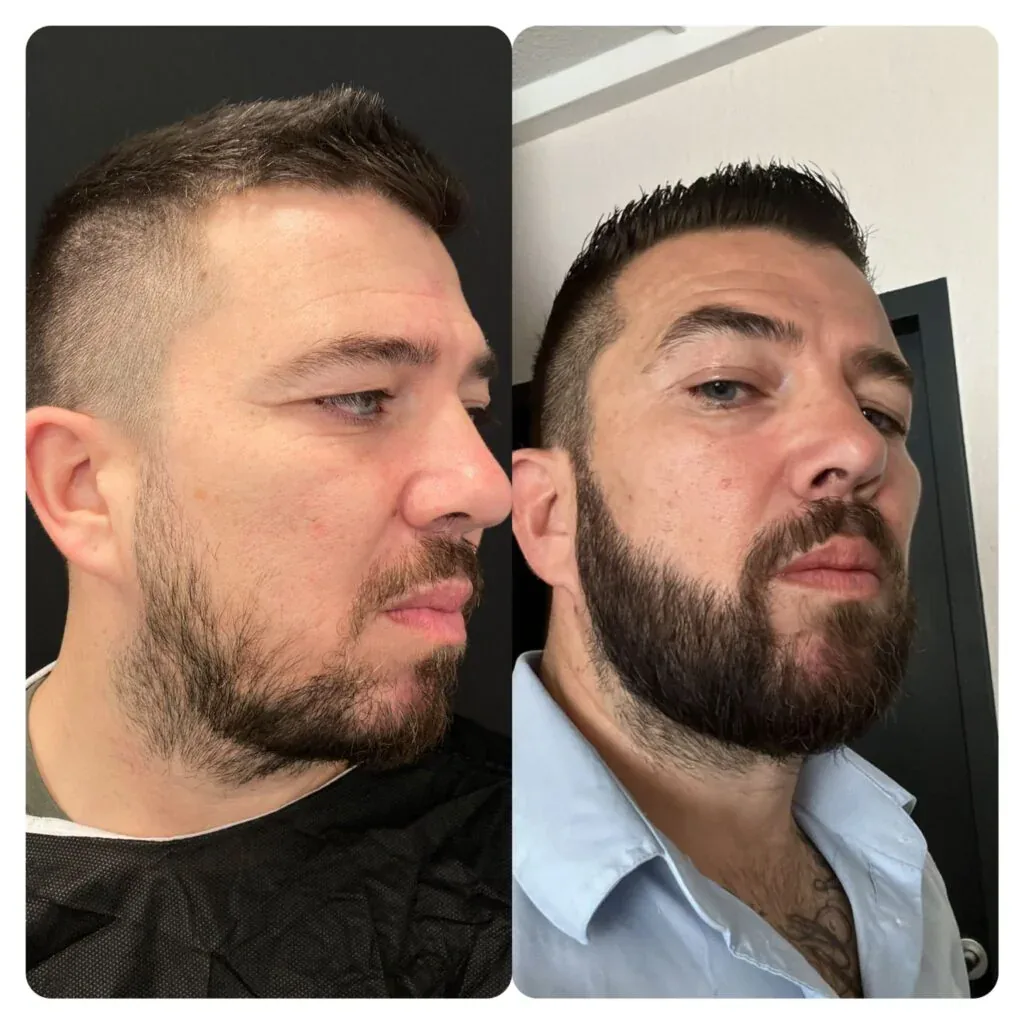
Case 32
Case 33

Case 34
Case 35
Case 36
Case 37
Case 38
Case 39
Case 40

Case 41
Case 42

Case 43
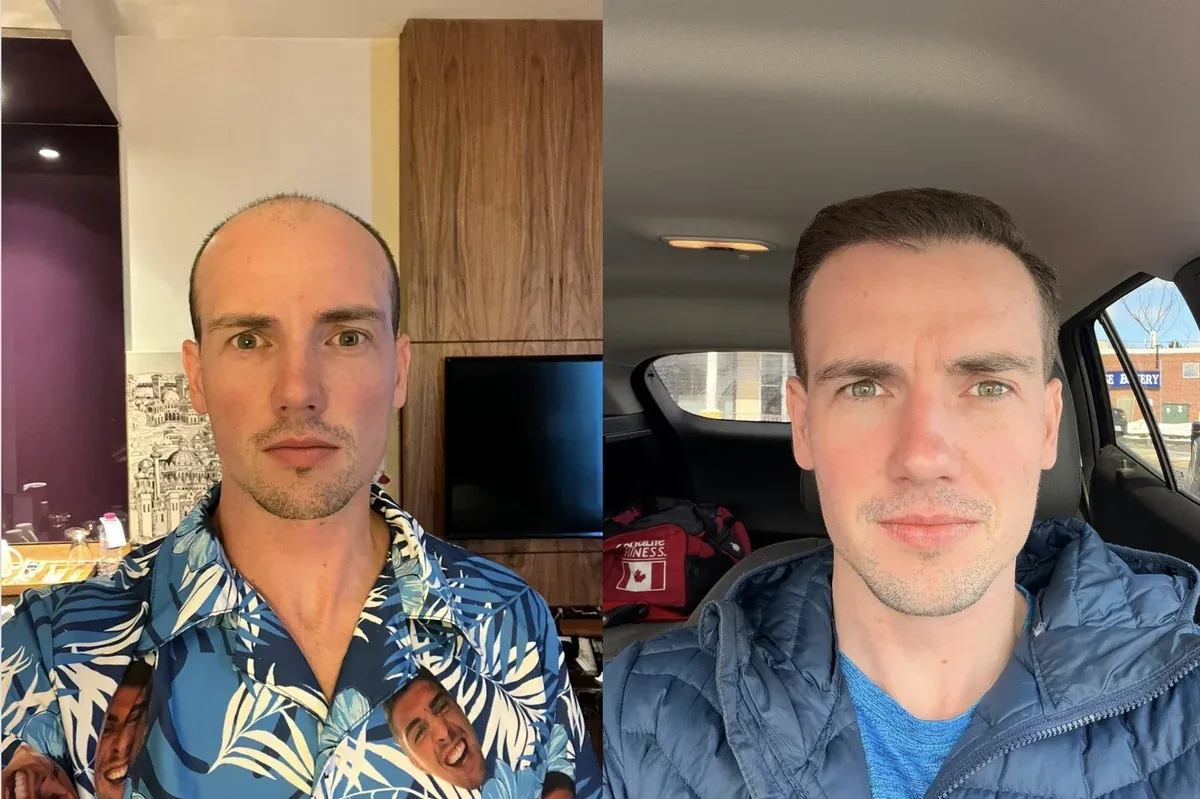
Case 44
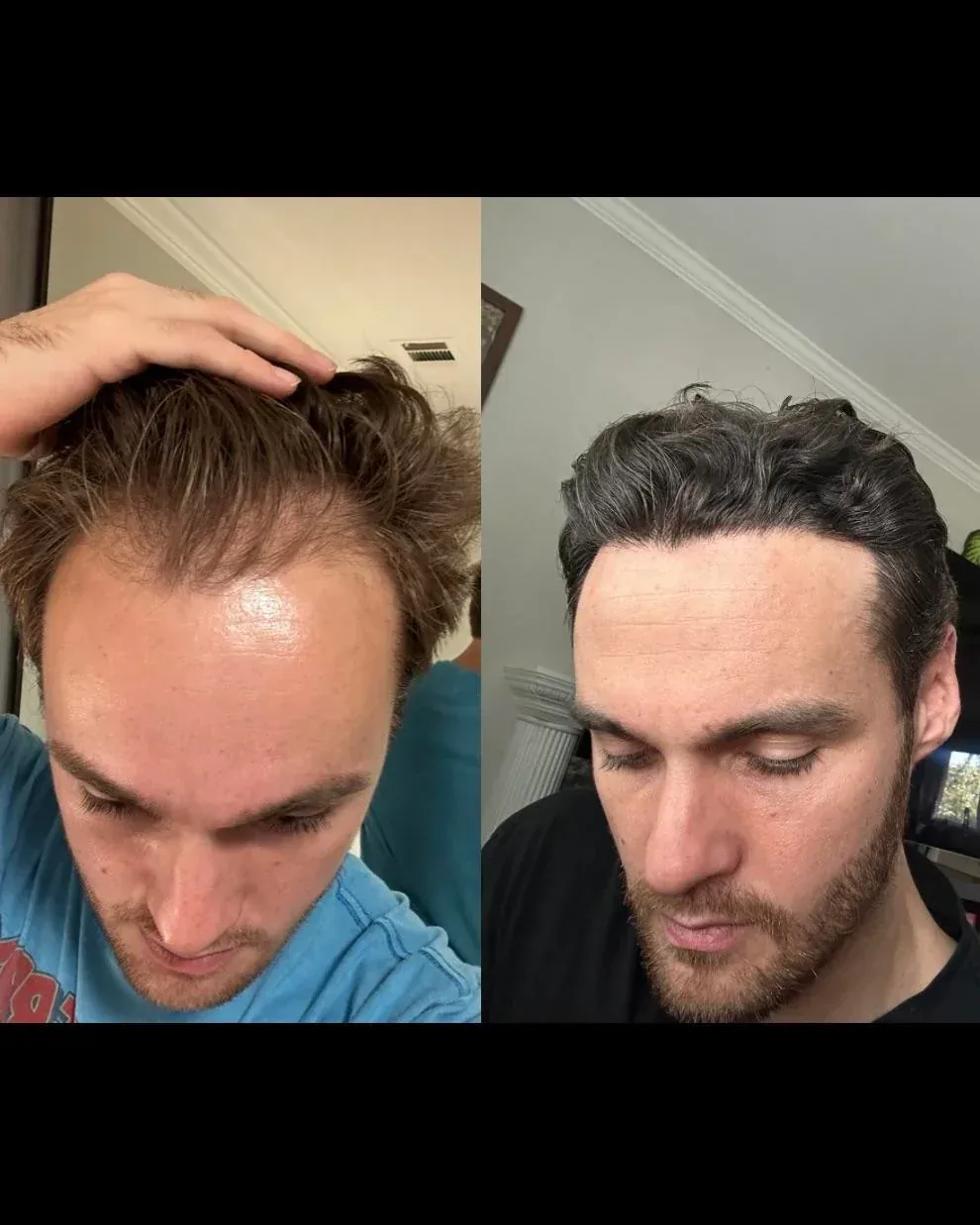
Case 45
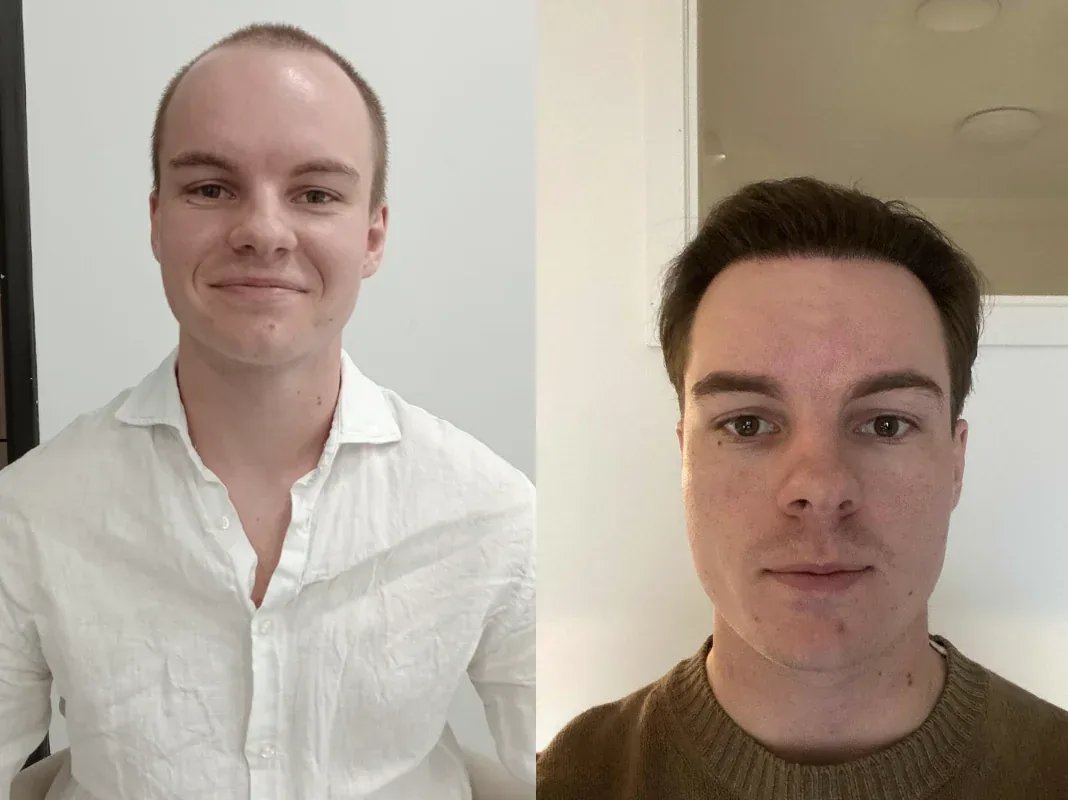
Case 46
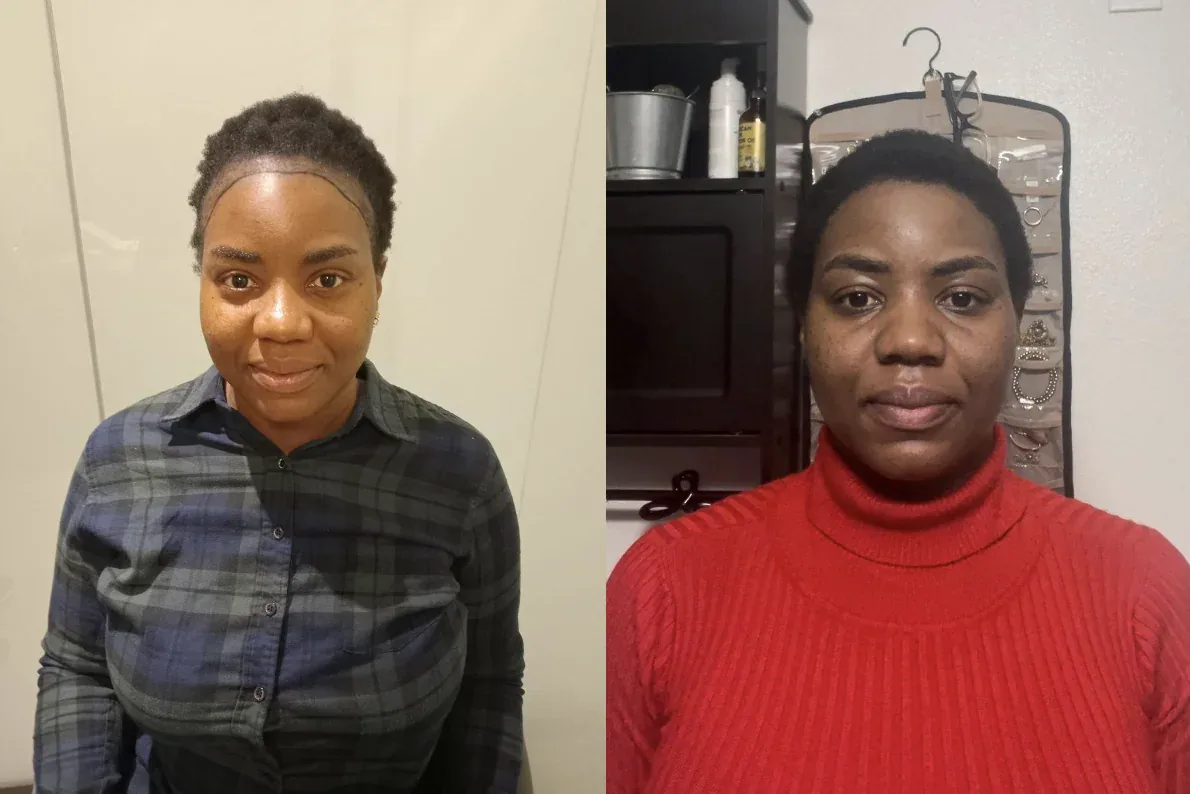
Case 47
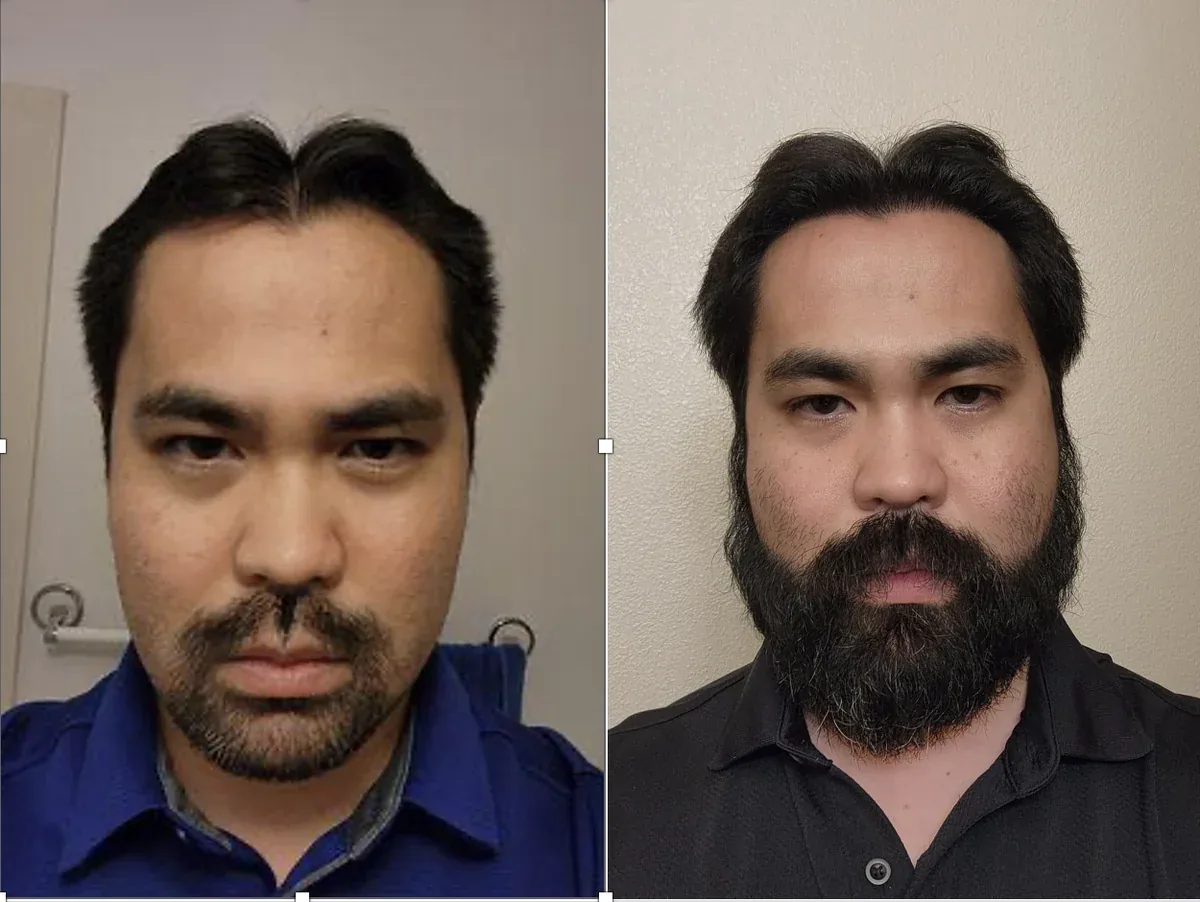
Case 48
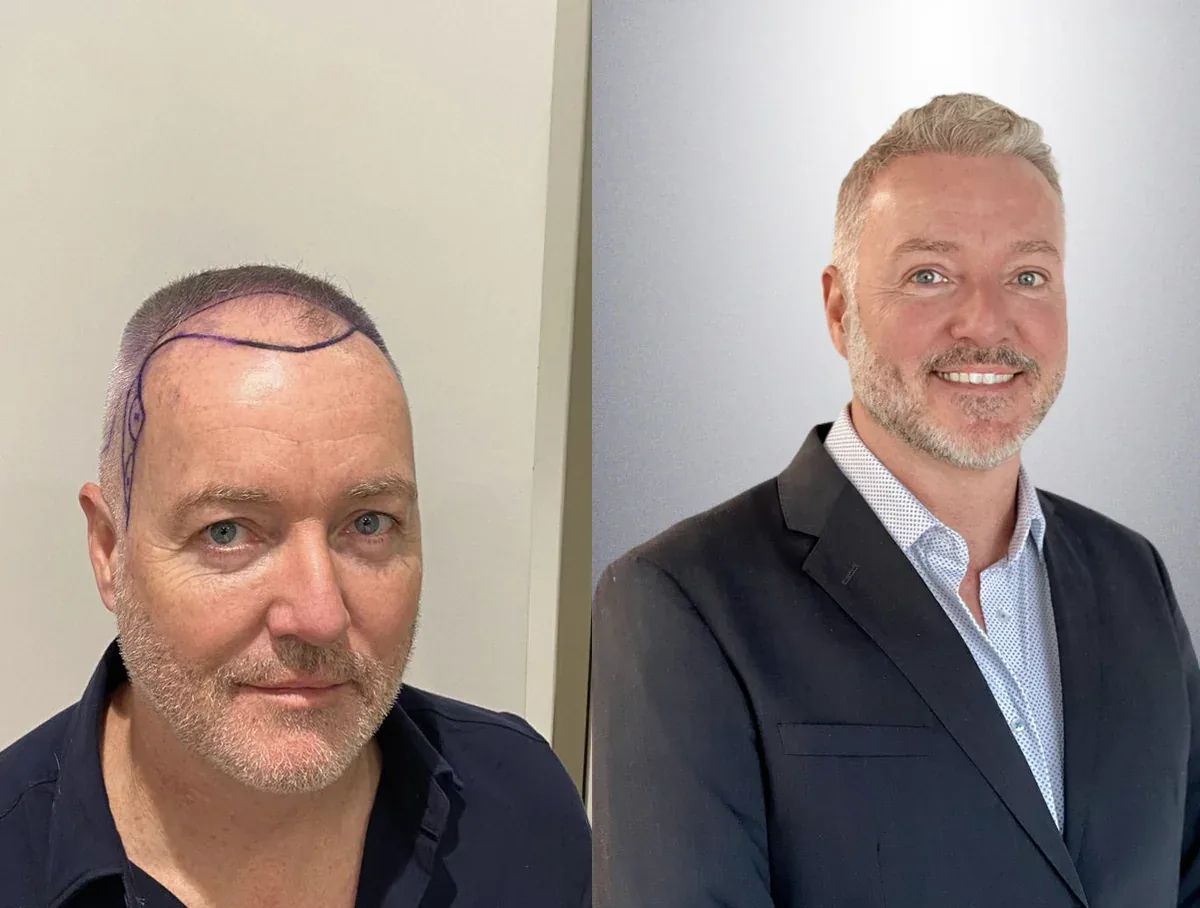
Case 49

Case 50
These before-and-after photographs include real results from our featured clinics as well as additional case examples compiled from publicly available sources. Because we cannot independently verify every case's exact original details, graft counts are shown as our own rounded, visual estimate, and the stated technique reflects our best assessment from the images alone.
How do you read a before-and-after photo properly?
Check four things in order: the time since surgery (twelve months is the honest comparison point), the graft count and treated area, identical photo conditions with dry hair, and a close-up of the hairline, a natural front line is slightly irregular and built from single hairs.
Time since surgery: anything under six months shows an interim stage, not a result. Grafts and area: 4 000 grafts across a full scalp and 4 000 grafts in a hairline zone produce very different densities. Photo conditions: identical angle and lighting, and dry hair, wet or styled hair can double the apparent density. The hairline close-up: a sharp, straight edge is the first thing that reveals poor work; if a clinic's gallery never shows the hairline up close, that is a finding in itself.
Get a free hair analysis
- 1Start
- 2Info
- 3Done
What does a realistic result timeline look like?
The transplanted hairs shed in weeks two to three, visible new growth starts around months three to four, density builds through months six to nine, and the final result is judged at about twelve months.
The early shedding is normal and temporary, and the slow climb that follows is why serious clinics photograph at fixed intervals and label every photo with the month. A clinic showing "results" without dates is asking you not to think about it. If you want the full month-by-month picture, our guide to aftercare and the growth phases covers the whole curve.
Why do results differ so much from person to person?
Five factors set the ceiling: donor quality, the size of the thinning area, hair-to-skin colour contrast, hair structure, and the clinic's planning and placement. The same graft count can look dramatically different on two heads.
Donor quality decides how much material is available and how thick each strand is. The thinning area decides how far it must stretch. Low contrast between hair and skin hides the scalp better; curl covers more per graft than straight hair. And planning decides whether the grafts land where they create the most visual density. This is exactly why per-case documentation with graft numbers matters more than a clinic's highlight reel, and why a serious clinic starts by assessing your donor area rather than promising a number.
Results like these depend on who plans and performs the operation. See which clinics document their work to this standard in our ranking of the world's best hair transplant clinics, or get a free assessment of what is realistic for your starting point via the consultation below.
Frequently asked questions
When is a hair transplant result final?
At about twelve months. Photos taken at three to six months systematically undersell the result, the growth phase is not finished.
Are the results permanent?
The transplanted hairs come from donor zones that are largely resistant to the hormone that drives common hair loss, so results are long-lasting. The hair around the transplanted area can keep thinning, which is why good planning accounts for future loss.
Why do clinics photograph wet-looking hair?
Because styling products and wet hair increase apparent density. Compare dry, unstyled hair in both photos, anything else flatters the after picture.
Can I expect the same result as a case with my graft count?
Only if your donor quality, hair structure, colour contrast and thinning area are similar. Use cases as evidence of a clinic's standard, not as a personal promise.
Get a no-obligation assessment against fixed criteria, directly on WhatsApp.
Sidst opdateret: August 2026 · Redaktionelle standarder