
Blog & articles
In-depth articles on hair loss, treatment and hair transplantation, professionally reviewed.
This blog library is made possible by the research department of our number one ranked clinic, and we're grateful for the chance to share their work with our readers.
Causes of hair loss 12
The first steps when you notice hair loss
What do you do when you notice your hair thinning? A calm, evidence-based guide to the first and most important steps.
Read more
Is my hair getting thin? How to check
Simple, practical ways to establish whether you are genuinely losing hair, before you worry unnecessarily.
Read more
DHT and heredity: why men lose hair
The hormone DHT is the main cause of male hair loss. This is the mechanism, explained simply.
Read more
Telogen effluvium: sudden, diffuse hair loss explained
Not all hair loss is hereditary. Telogen effluvium is a common, often temporary cause of sudden thinning.
Read more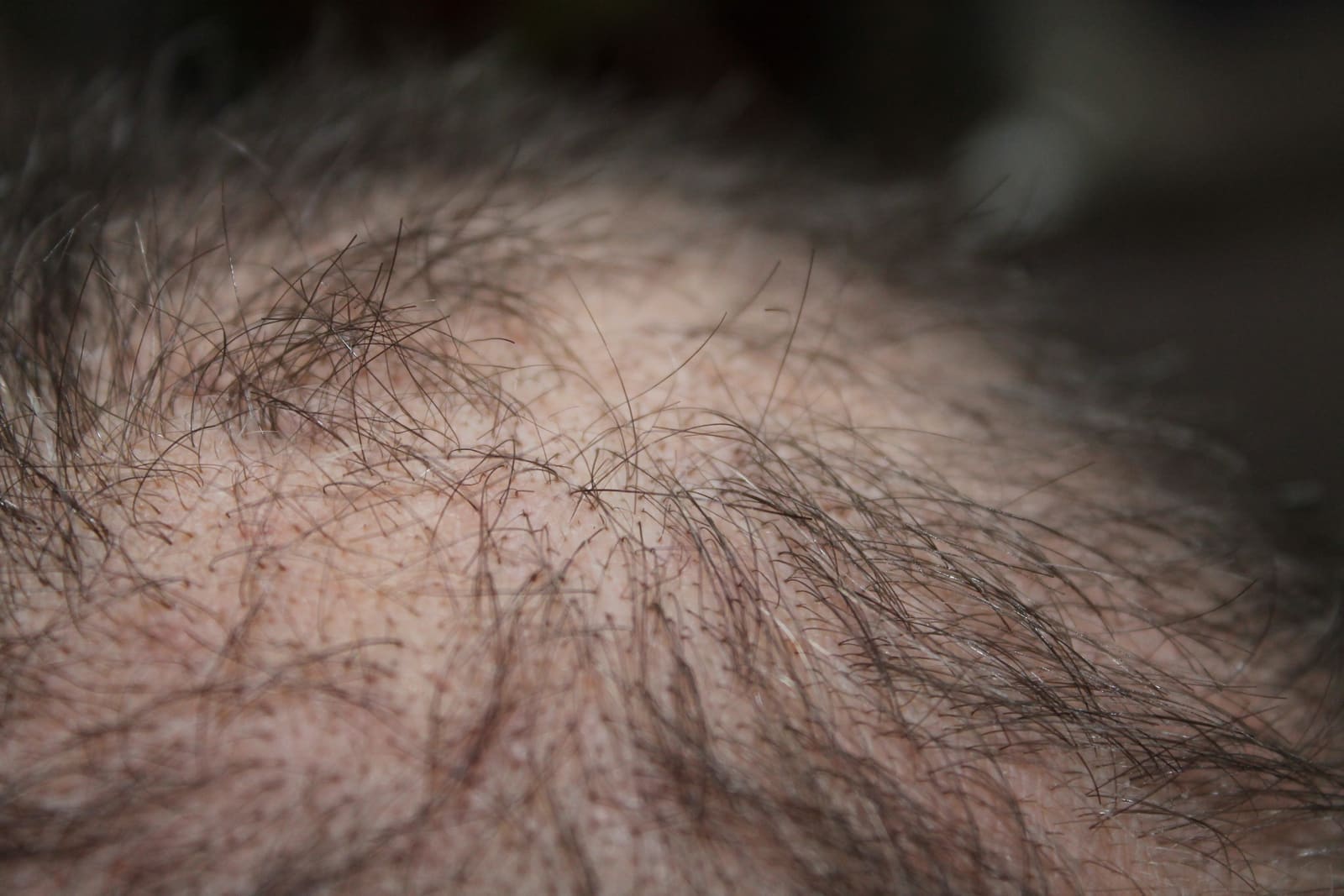
COVID-19 and hair loss: why many people experienced thinning after infection
Many people experienced heavy hair loss after COVID-19. I explain the mechanism, why it is almost always temporary, and when to seek help.
Read more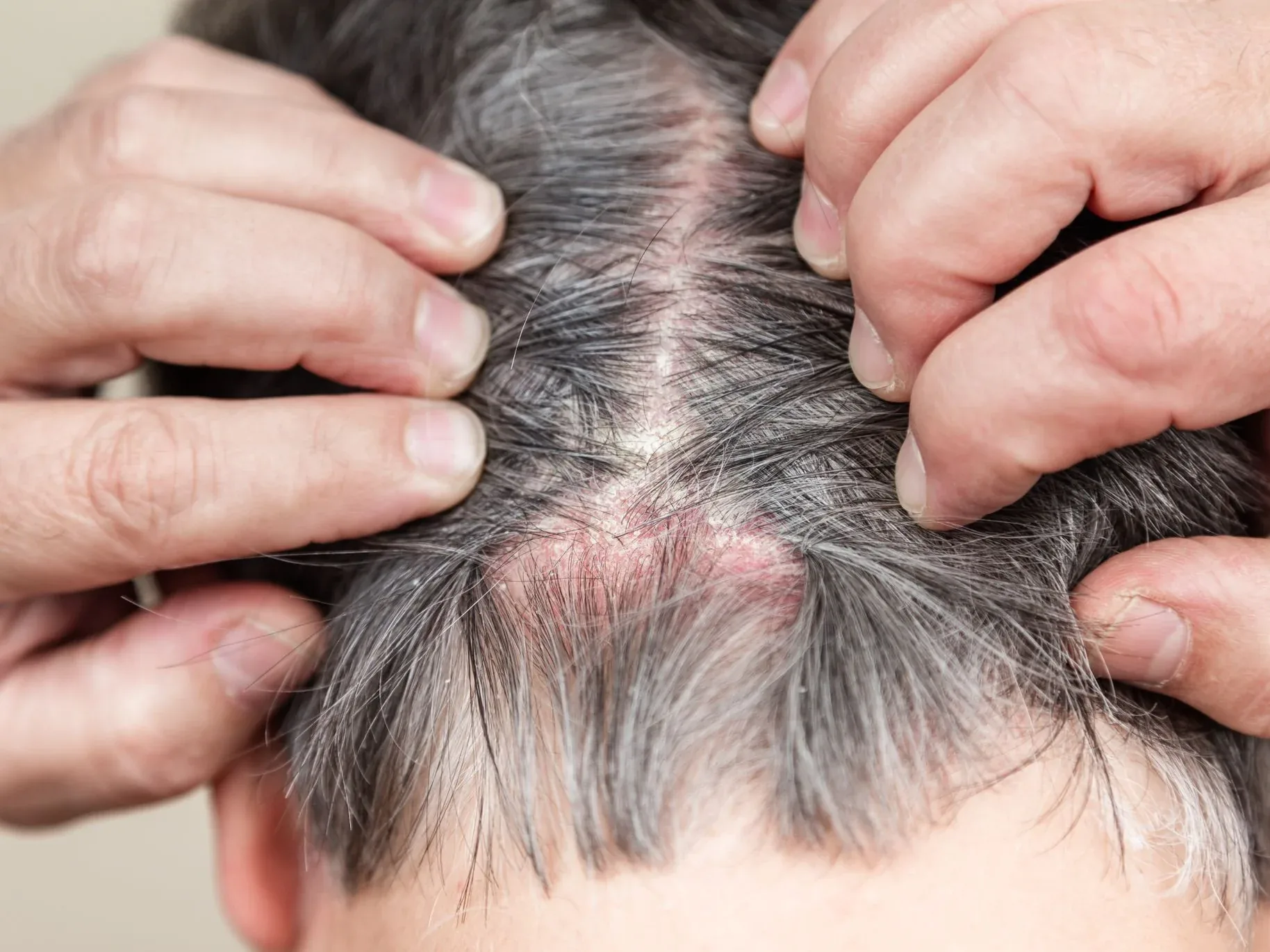
An itchy scalp and hair loss: are they connected?
Itching, dandruff and hair loss often occur together. I explain the possible connections, when itching is a warning sign, and what can be done.
Read more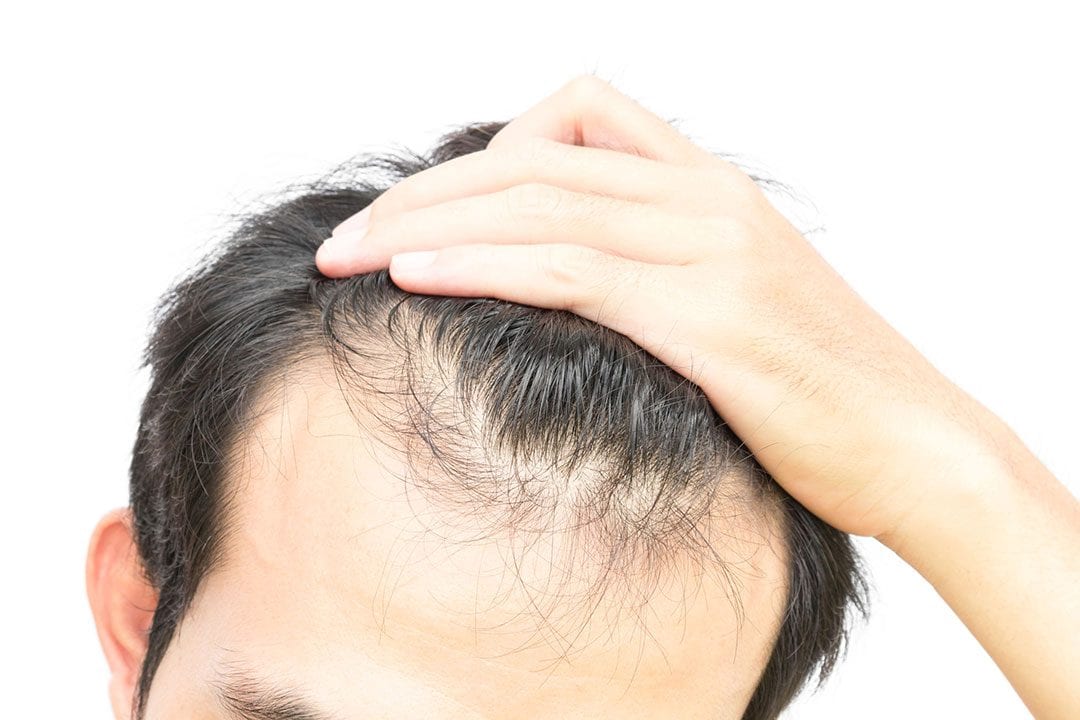
Seasonal hair loss: do you really shed more hair in the autumn?
Many people notice increased shedding at certain times of year. I explain what the research says about seasonal hair loss, and when it is normal rather than worrying.
Read more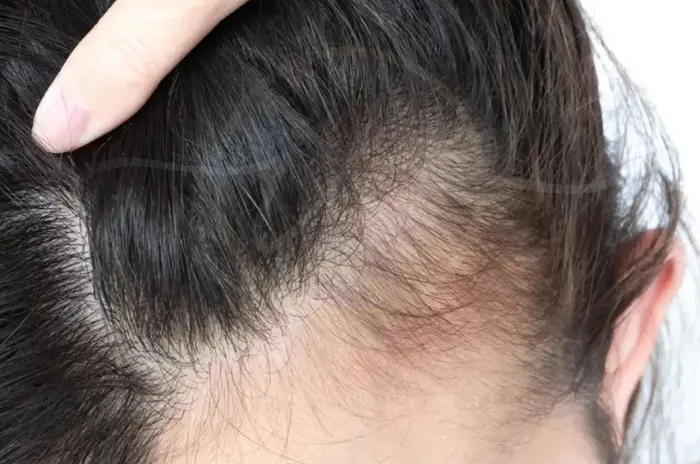
Traction alopecia: hair loss from tight hairstyles, and how to stop it
Tight ponytails, braids and extensions can cause permanent hair loss along the hairline. I explain how traction alopecia arises, when it can be reversed, and how it is treated.
Read more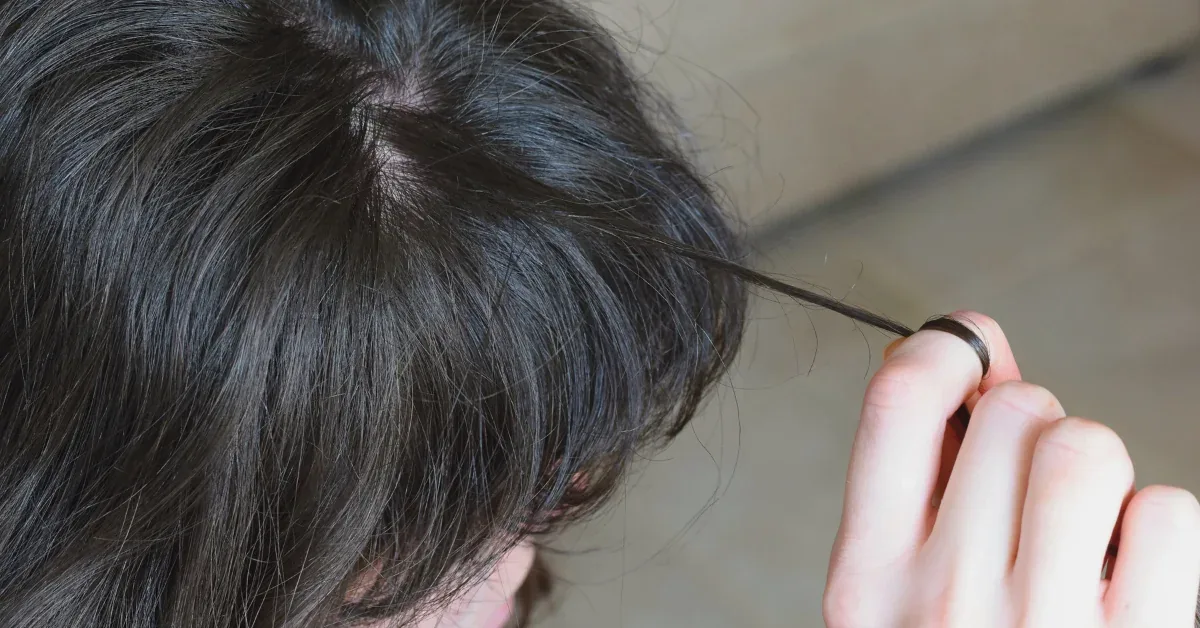
Trichotillomania: hair loss from compulsive hair pulling
Trichotillomania is a condition in which a person pulls out their own hair. I explain how it differs from other hair loss, how it is treated, and when surgery may come into question.
Read more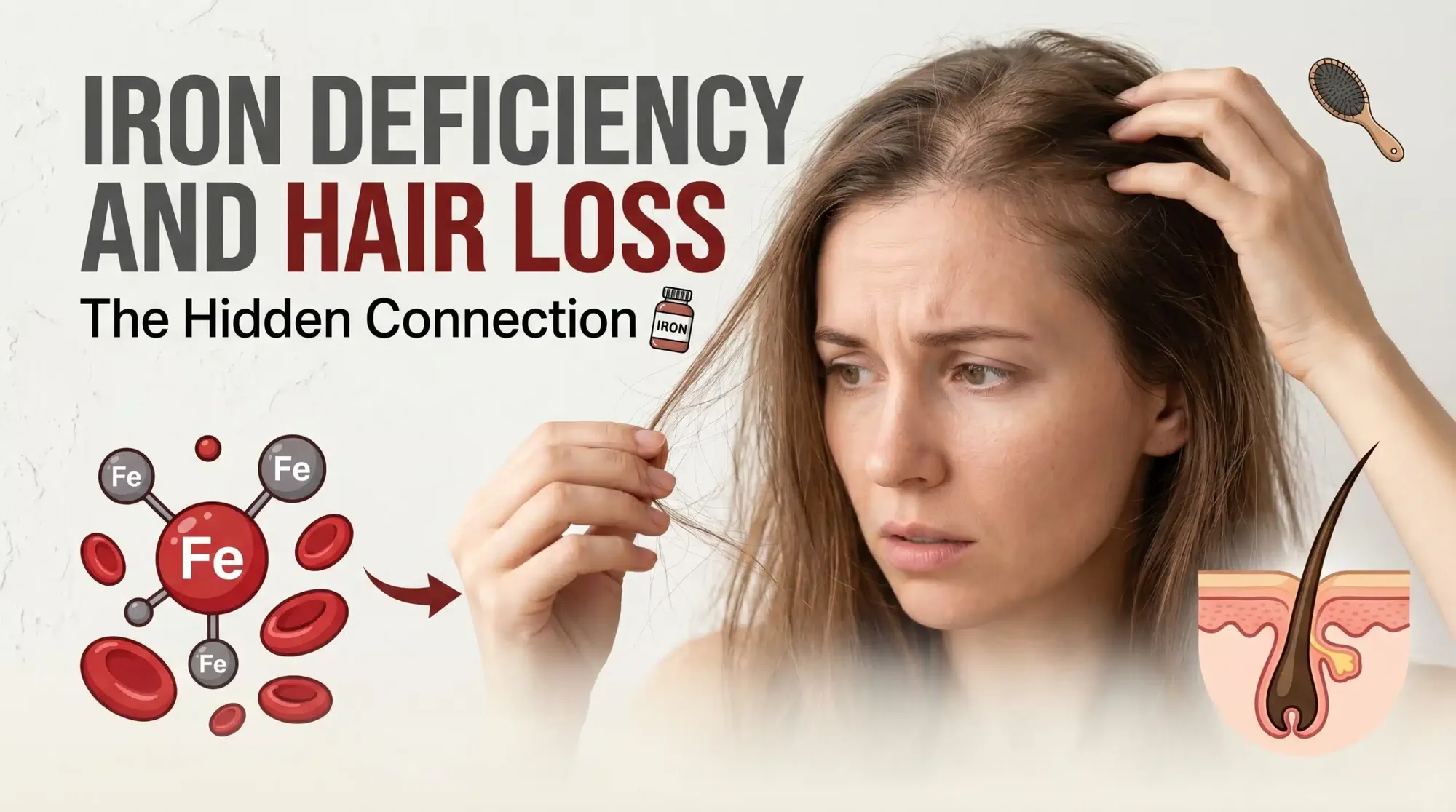
Iron deficiency and hair loss: the overlooked cause, especially in women
Low iron is one of the most frequent and most overlooked causes of diffuse hair loss. I explain the connection, which blood tests to ask for, and what you can do.
Read more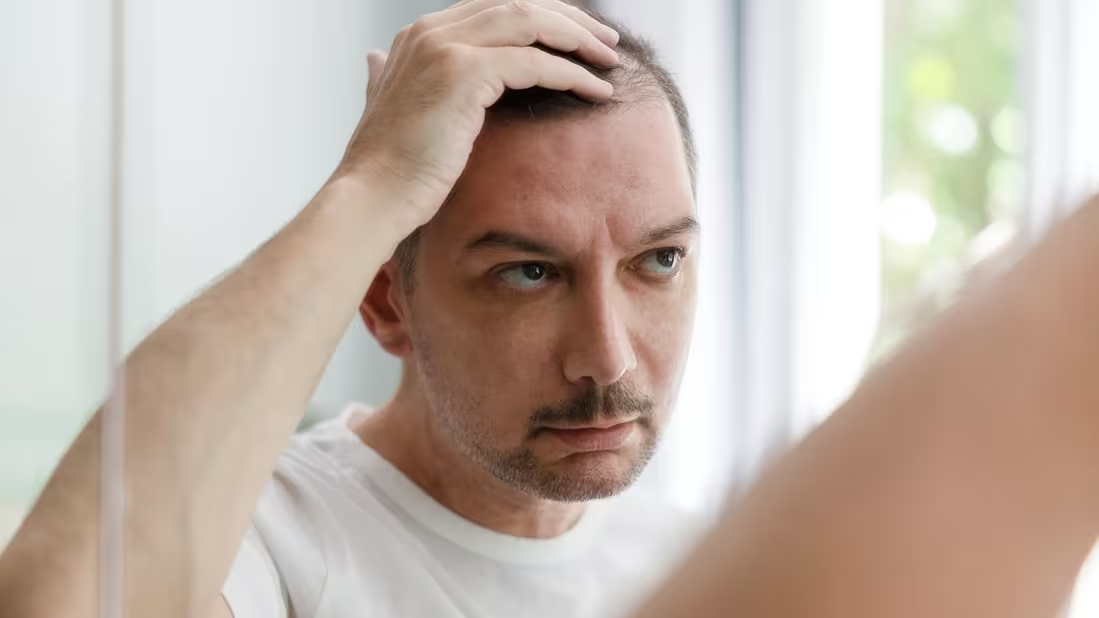
Ozempic and weight loss medication: does it cause hair loss?
Many people experience hair loss during treatment with Ozempic and similar weight loss medication. I explain what is really happening, whether the medicine is to blame, and what you can do.
Read more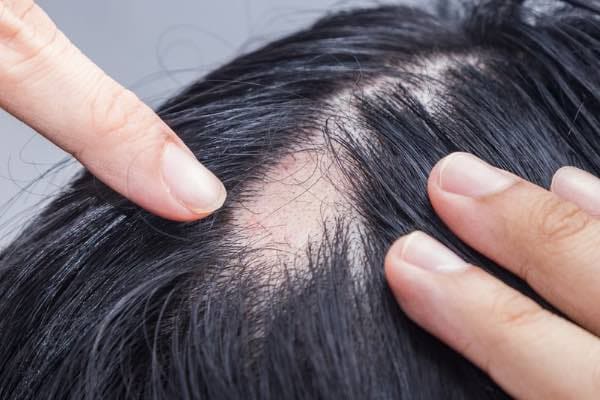
Scarring alopecia: when the follicle is replaced by scar tissue
In scarring alopecia the follicle is permanently destroyed by an inflammatory process. I explain the types, why early diagnosis is critical, and when surgery is possible.
Read moreTreatment & medication 21
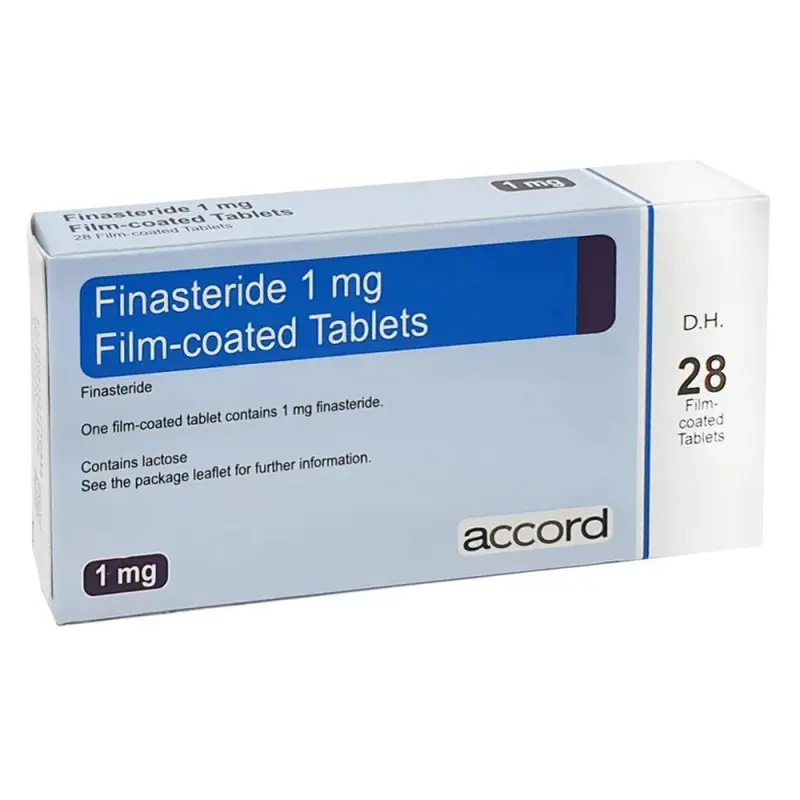
Finasteride: effect, dose and side effects explained
The best documented tablet for male hair loss: how it is used and what you should know.
Read more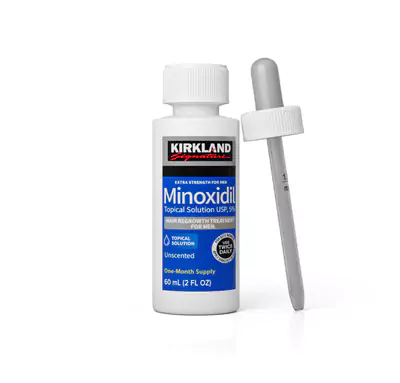
Minoxidil guide: foam vs. oral, and the shedding phase
Minoxidil works for both men and women, but only if you use it correctly and consistently.
Read more
Do supplements work against hair loss? Ferritin, vitamin D and zinc
Supplements are not miracles, but where there is a genuine deficiency they can make a noticeable difference.
Read more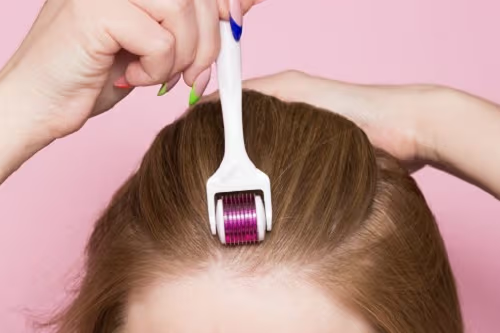
Derma rolling (microneedling): does it work against hair loss?
Microneedling is talked about as a cheap home treatment. There is some evidence for it, but mostly in combination with Minoxidil.
Read more
Red light therapy (LLLT) for hair loss and after a transplant: does it work?
Laser combs, helmets and panels promise more hair with red light. I explain the mechanism, what the evidence really shows, and the pros and cons.
Read more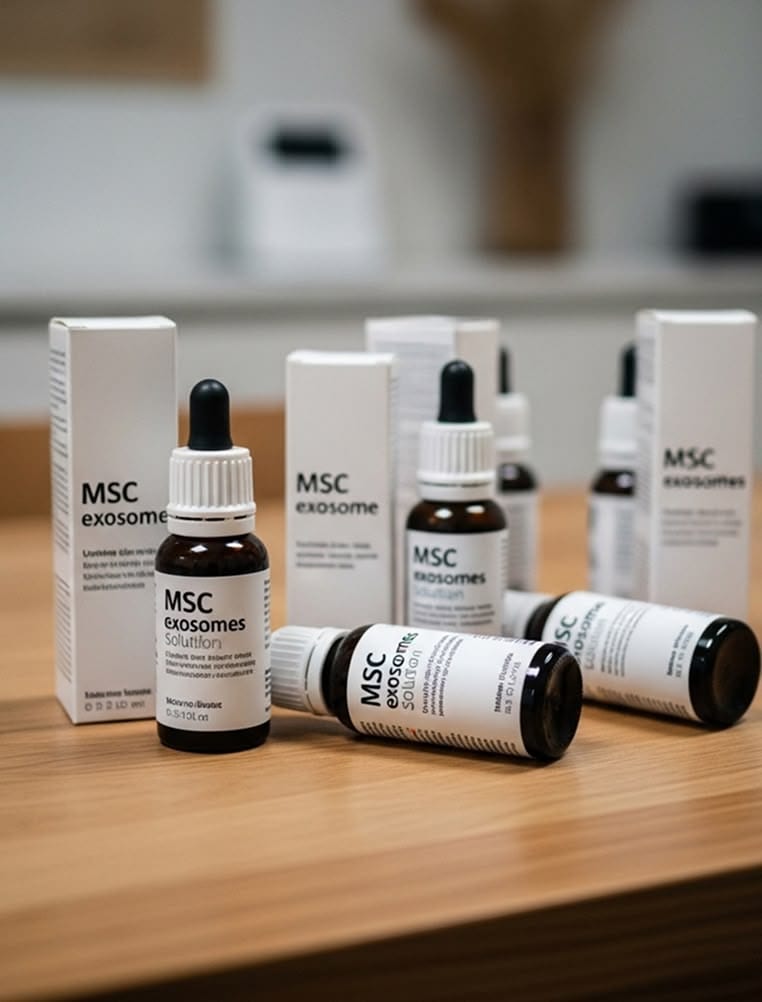
Exosome therapy for hair loss: tomorrow's breakthrough or expensive hype?
Exosomes are one of the most talked about, and most expensive, new offerings for hair loss. I explain what they are, what we actually know, and the pros and cons.
Read more
Mesotherapy for hair loss: do the small injections help, or is it a waste of money?
Mesotherapy promises to deliver a cocktail of vitamins and growth factors directly to the follicles. I explain what the treatment actually contains, what the evidence says, and its pros and cons.
Read more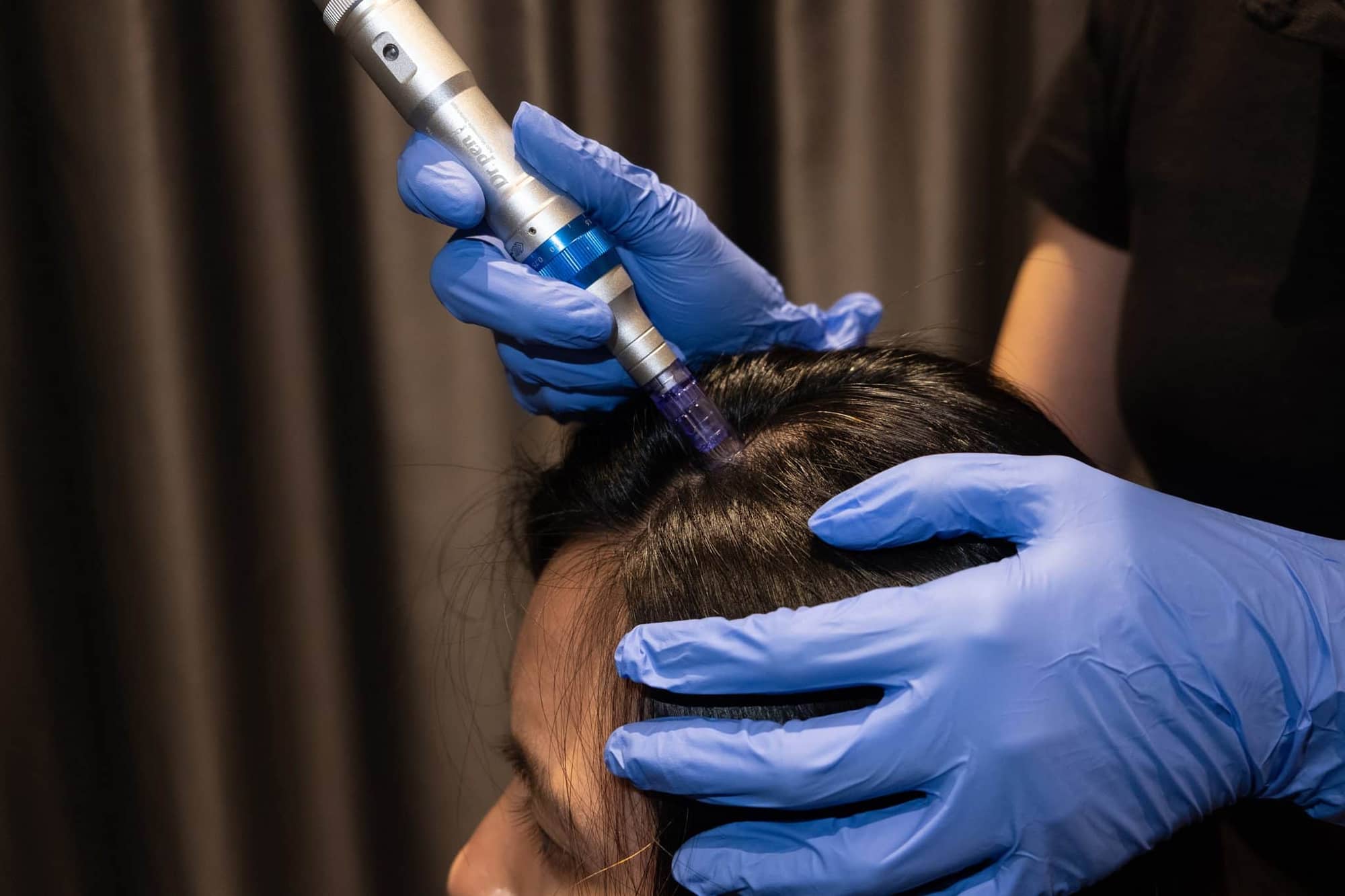
Microneedling for hair loss: one of the best documented supplements, and how to use it properly
Microneedling is cheap, simple and better documented than most people think, especially alongside Minoxidil. I explain the mechanism, the evidence and the real pros and cons.
Read more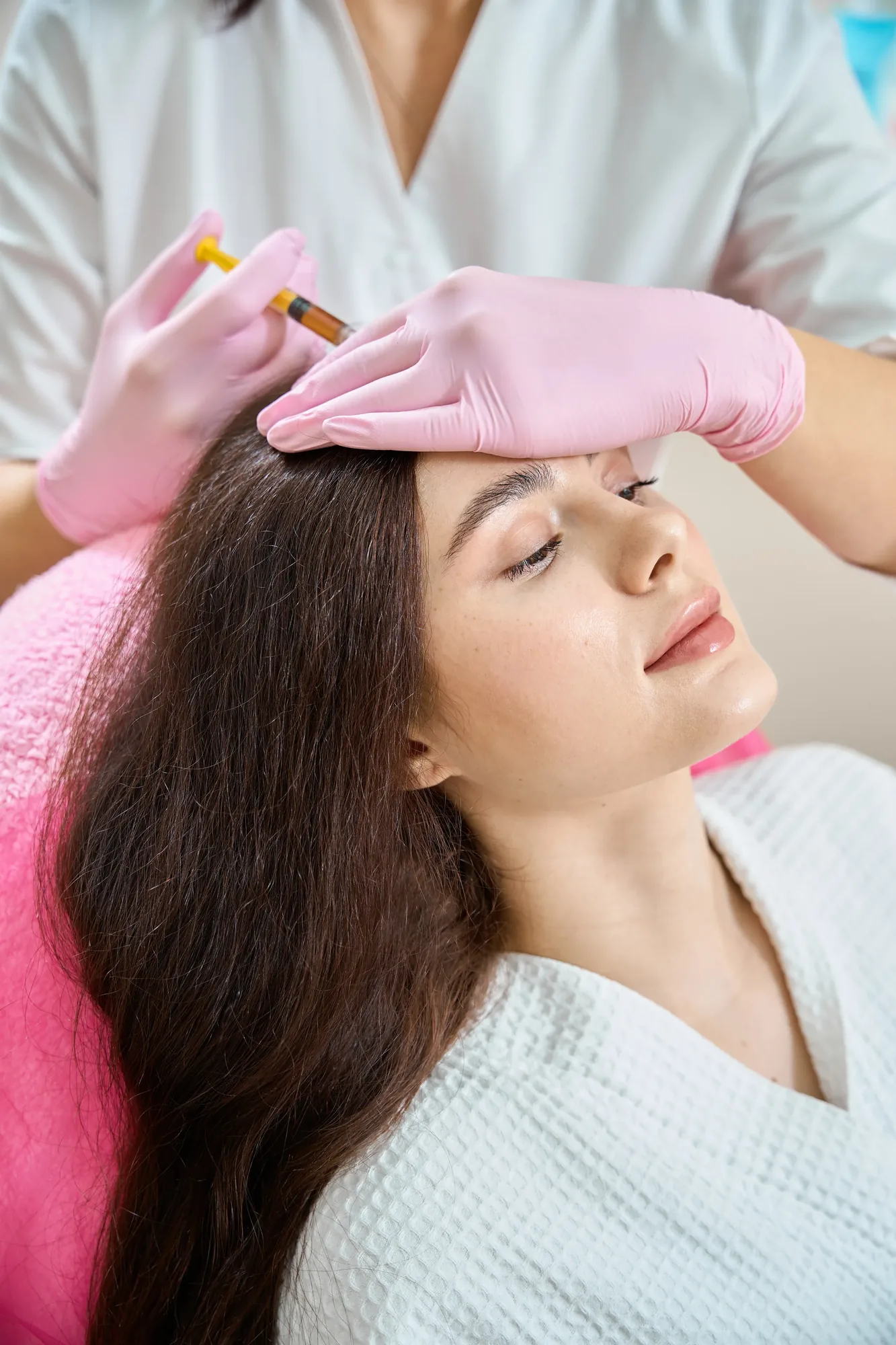
PRP or PRF for hair loss: what is the difference, and which works best?
PRP is well known, but PRF is now marketed as the new, better version. I explain the difference between the two, what the evidence says, and which makes the most sense.
Read more
Stem cell treatment for hair loss: revolution, or marketing ahead of the science?
Stem cells sound like tomorrow's answer to hair loss. I explain what is actually on offer today, what the research shows, and why as a surgeon I am both hopeful and very cautious.
Read more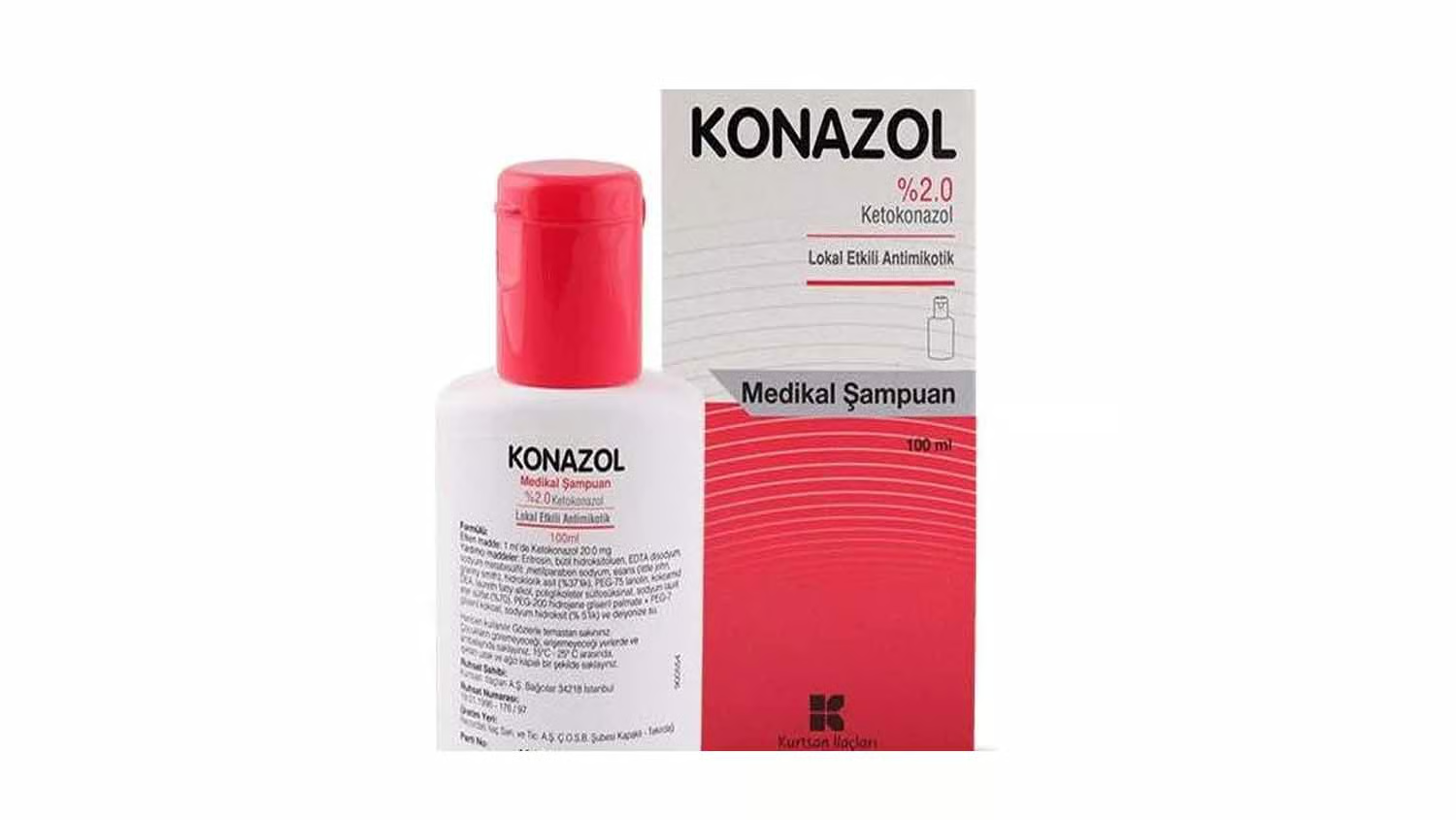
Ketoconazole shampoo for hair loss: a cheap, underrated supplement?
Ketoconazole is known as a dandruff shampoo, but it also has a place in treating hair loss. I explain the possible effect, the evidence and the real pros and cons.
Read more
Oral or topical Minoxidil: tablets or liquid for hair loss?
Minoxidil comes both as a liquid/foam and as low dose tablets. I review the difference, the evidence, the side effects and when one makes more sense than the other.
Read more
Dutasteride for hair loss: when does the stronger option make sense instead of Finasteride?
Dutasteride is a more powerful DHT inhibitor than Finasteride. I explain the difference, when it is considered, what the evidence and the side effects say, and who it suits.
Read more
Topical Finasteride for hair loss: can you get the effect without the tablet's side effects?
Topical Finasteride promises the same DHT inhibition as the tablet, but applied locally, in the hope of fewer systemic side effects. I go through the evidence, the hope and the reservations.
Read more
Post-Finasteride syndrome: what do we know, what is disputed, and how should you approach it?
Post-Finasteride syndrome (PFS) is one of the most disputed topics around hair loss medication. I try to give a balanced, honest picture, without either frightening or trivialising.
Read more
Combining hair loss medication: why two or three agents often beat one
Finasteride, Minoxidil, microneedling, Ketoconazole: each attacks hair loss from its own angle. I explain why a well considered combination often works better than a single agent, and how to build one sensibly.
Read more
Saw palmetto for hair loss: a natural DHT blocker or a weak placebo?
Saw palmetto is marketed as a natural substitute for Finasteride. I review what the evidence actually says, and why 'natural' does not mean 'just as effective'.
Read more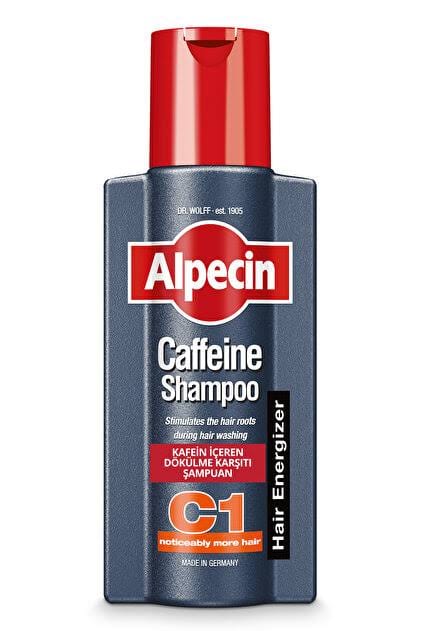
Caffeine shampoo for hair loss: does it help, or is it pure marketing?
Caffeine shampoo promises to stimulate the follicles. I explain the mechanism, the limited evidence, and why contact time is the problem.
Read more
Rosemary oil for hair loss: what does the science say about the viral home remedy?
Rosemary oil has become a viral hair remedy. I review the frequently cited study, the real evidence, and how to approach it sensibly.
Read more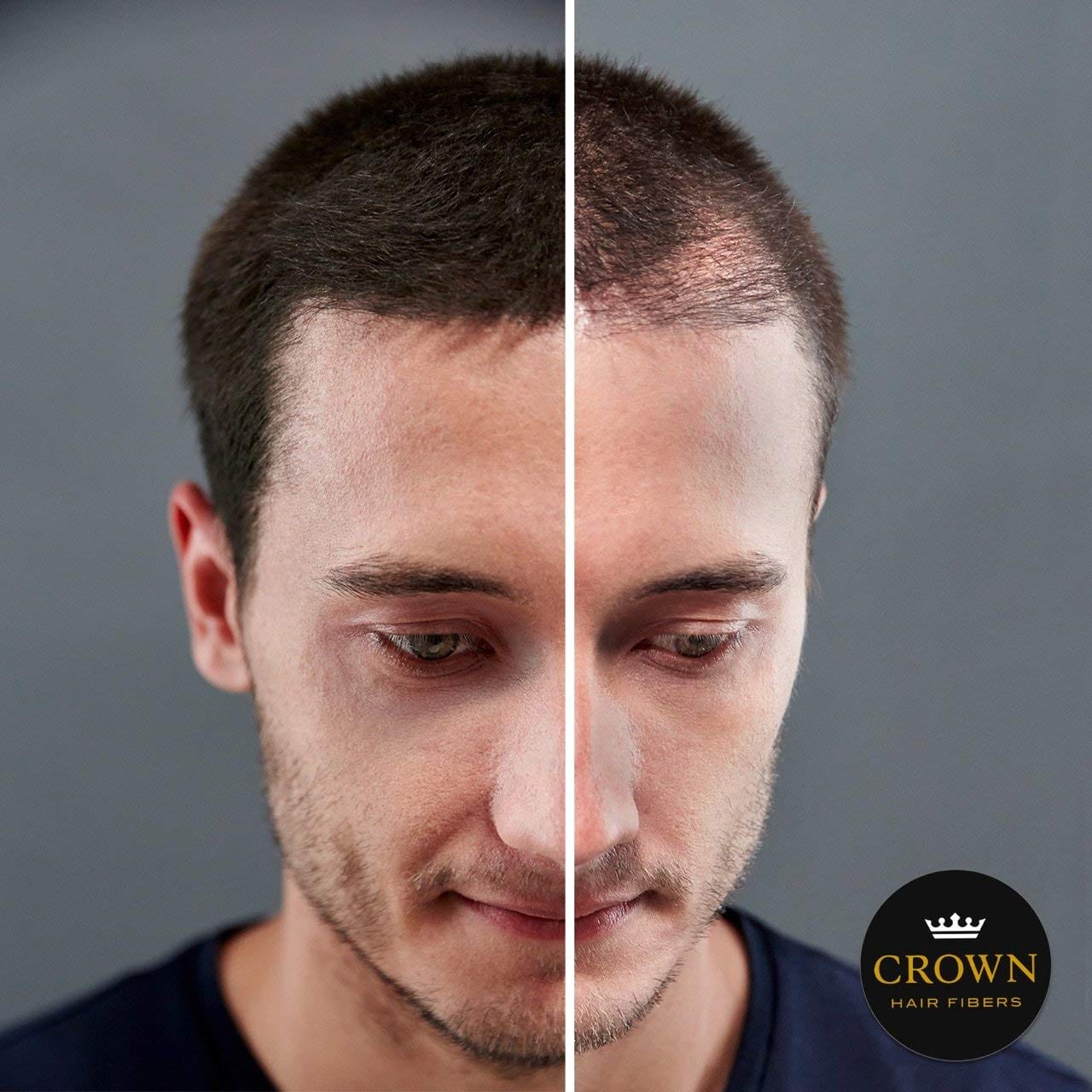
Hair fibres and concealers: what to know about instant coverage for thin hair
Hair fibres hide thin hair in seconds. I explain how they work, what they can and cannot do, and how to use them wisely alongside proper treatment.
Read more
Hair growth products and vitamins: what actually works
The market for hair growth products, shampoos and vitamins is enormous. I go through what is documented, what is a waste of money, and how to prioritise.
Read moreMethods (FUE/DHI/FUT) 15
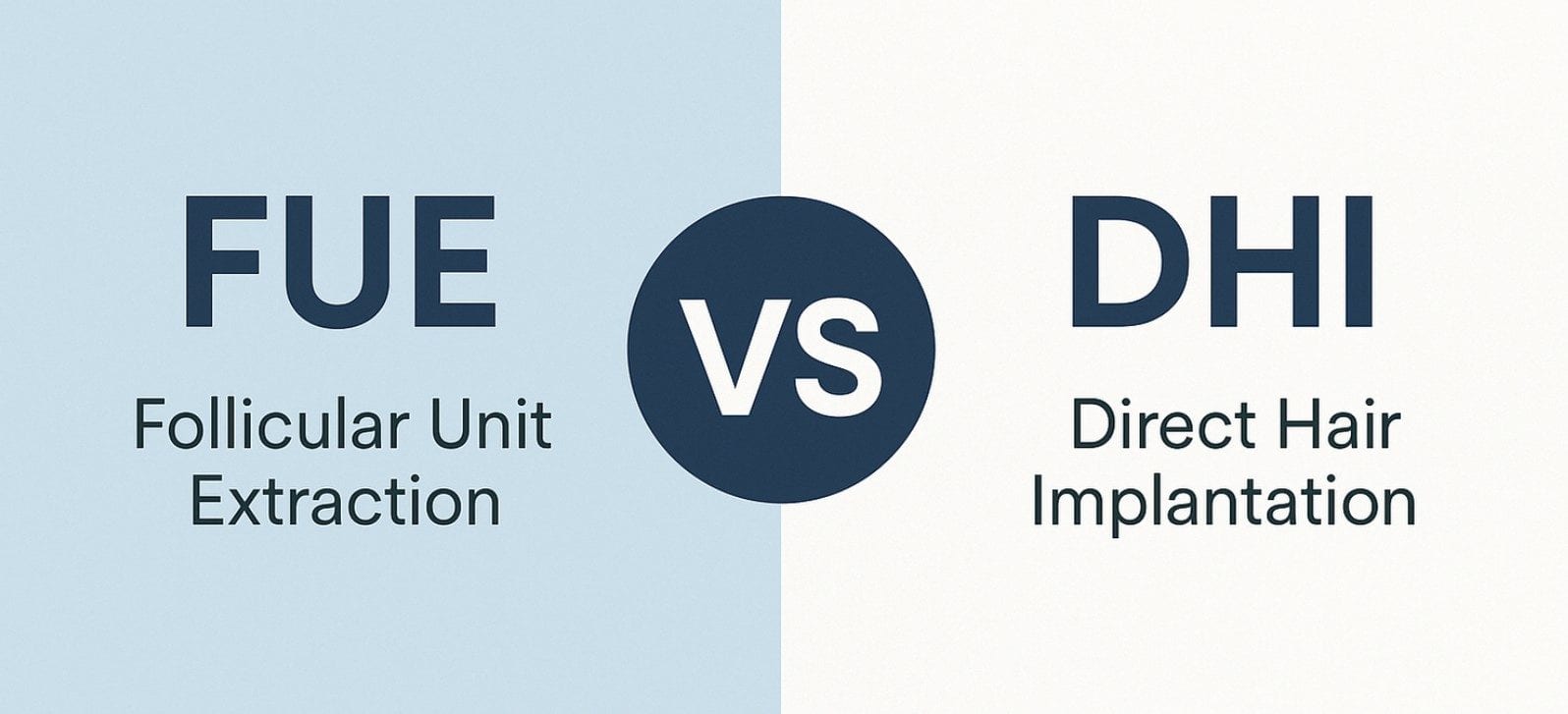
FUE or DHI: which should you choose?
Two of the most talked about methods explained simply: when does DHI make sense, and when is FUE the right choice?
Read more
FUE step by step: what happens on the day of surgery
A calm walk through the day itself, so that you know exactly what you are going into.
Read more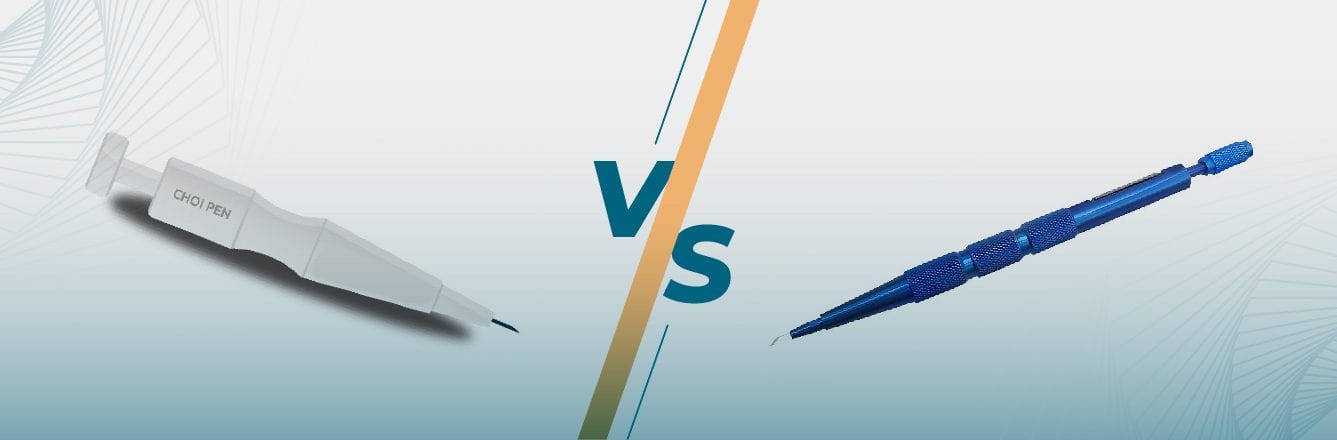
Sapphire vs. Choi implanter: does the instrument make a difference?
Two frequently discussed instruments, what they actually change, and what matters most.
Read more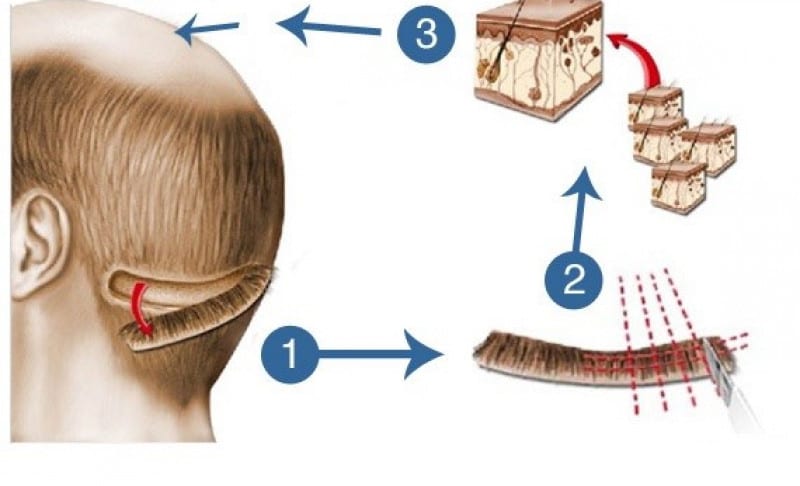
FUT: the older method that still has its place
FUE and DHI dominate, but FUT (the strip method) is not obsolete, and in certain cases it is the best choice.
Read more
Graft survival: what determines how much of your hair transplant actually grows?
Graft survival is the figure nobody talks about enough, but it determines your result. I explain what makes transplanted hairs live or die, and what you can do yourself.
Read more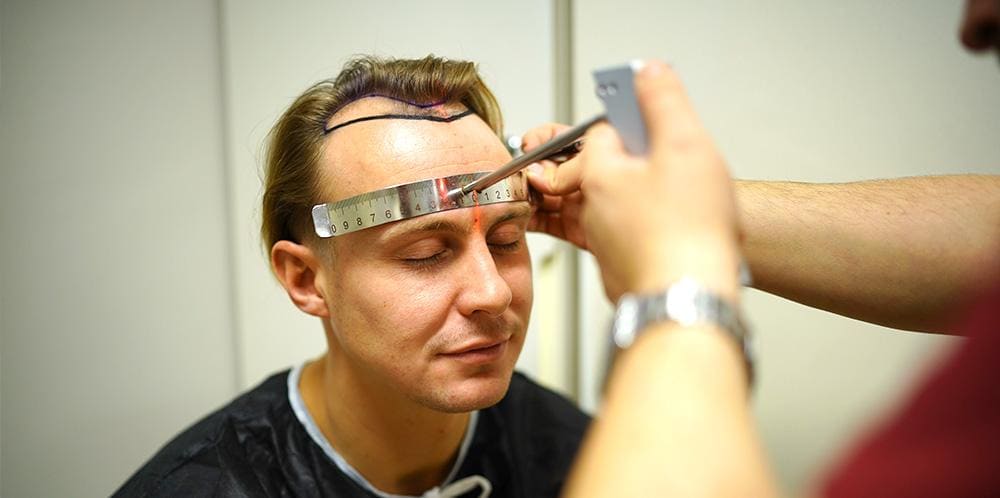
Hairline design: what makes a transplanted hairline natural, or a giveaway?
The hairline is what everyone sees first, and what most often gives away a poor transplant. I explain the principles behind a natural hairline, and why design is the hardest art in this surgery.
Read more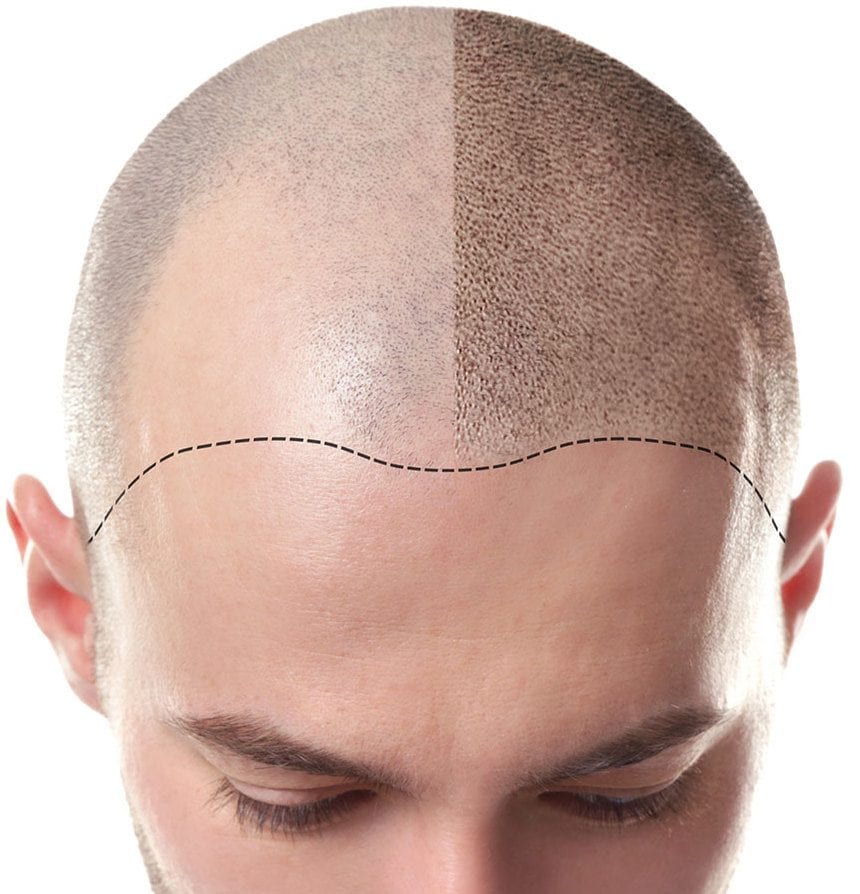
Scalp micropigmentation (SMP), the tattooed illusion of hair: when does it make sense?
SMP tattoos tiny dots into the scalp that imitate follicles. I explain what it can and cannot do, when it is a smart supplement, and where the limits lie.
Read more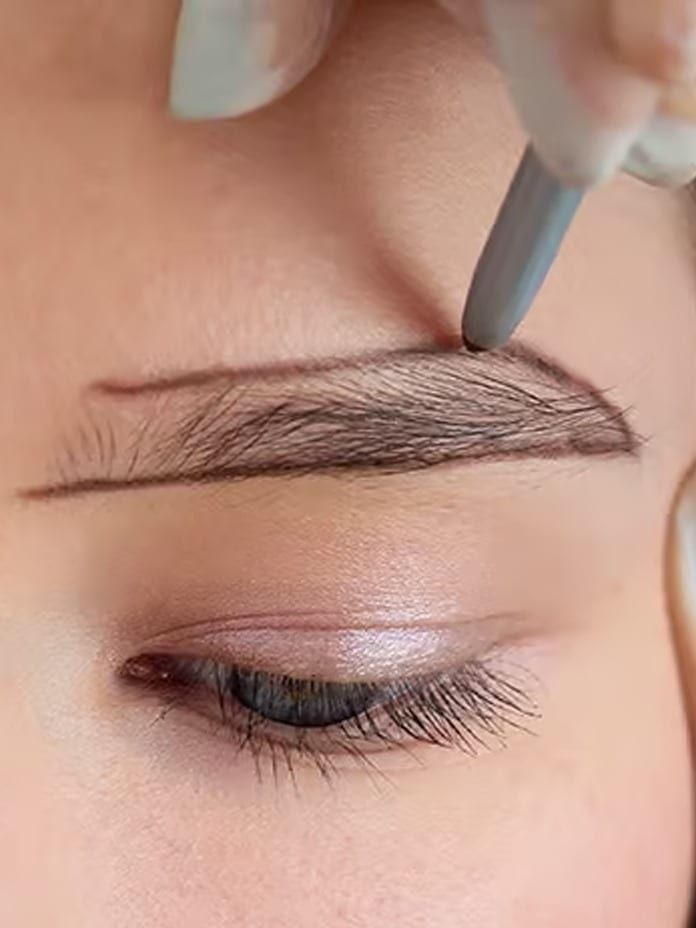
Eyebrow transplantation: precision work for lasting, natural brows
Eyebrow transplantation is among the most demanding precision procedures in the field. I explain who it suits, why angles are everything, and what you need to know.
Read more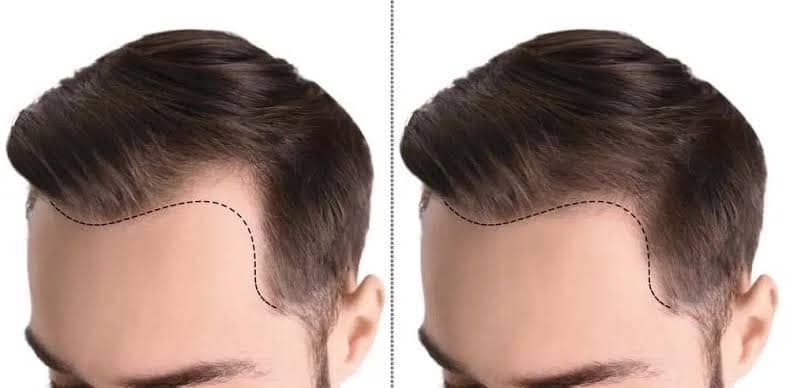
Repairing a failed hair transplant: what can be saved, and how?
Poor transplants can often be improved, but repair is the hardest work in the field. I explain what can be corrected, what cannot, and how to avoid ending up there.
Read more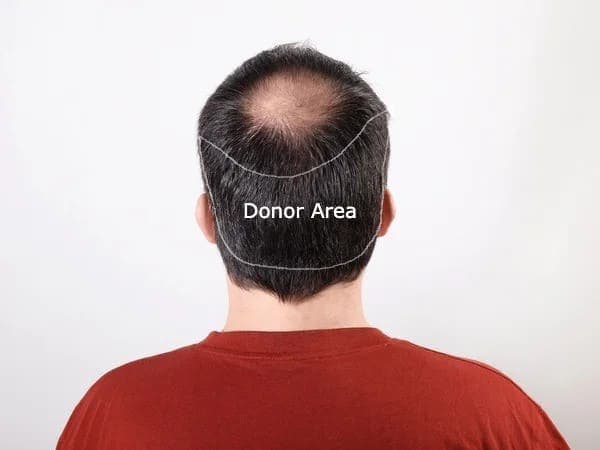
The donor area: the limited resource that should govern your whole hair transplant plan
Your donor area is a lifelong, limited resource, and the most important constraint in any hair transplant. I explain why over-harvesting is the worst mistake, and how a good surgeon thinks ahead.
Read more
One session or two? Why a hair transplant should sometimes be split
Some transplants are best done in two sessions rather than one. I explain why, when it is the wise route, and how to tell good planning from an upsell.
Read more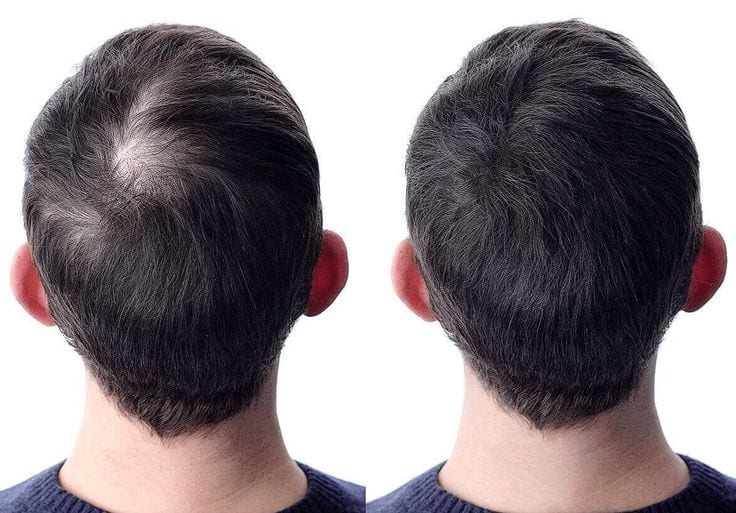
Density: how dense does a hair transplant actually get?
Many people expect teenage density. I explain what can realistically be achieved, why even moderate density looks full, and why the donor sets the limit.
Read more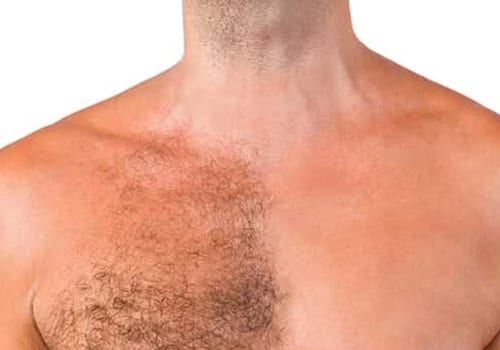
Body hair as a donor: can chest and beard hair rescue a stretched donor?
When the scalp donor does not go far enough, body and beard hair can be a reserve. I explain what is possible, what the limitations are, and when it makes sense.
Read more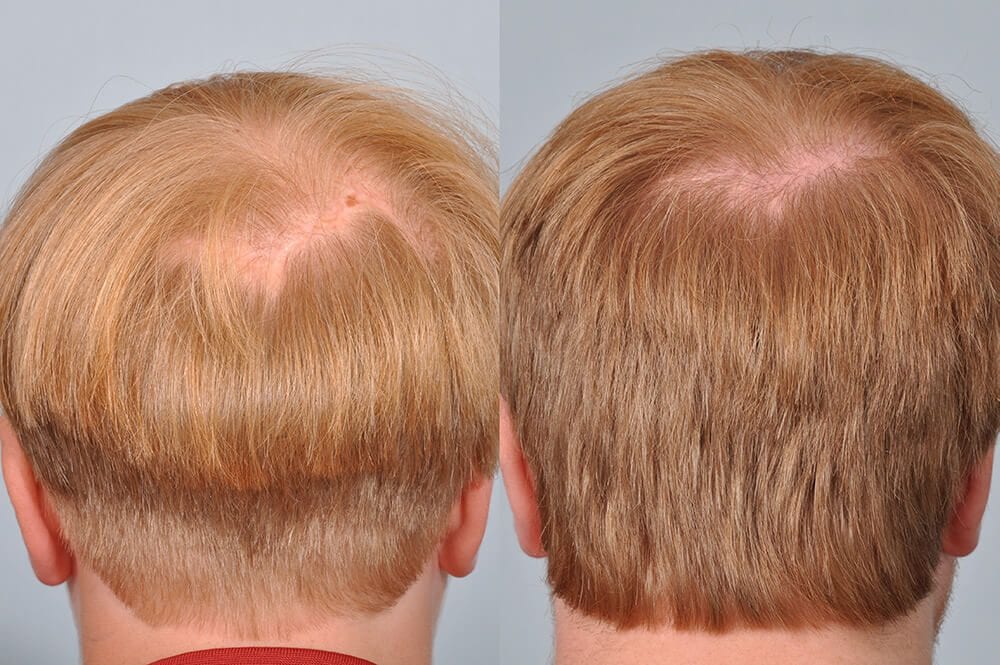
Can hair be transplanted into scar tissue and scarring alopecia?
Scars from burns, operations or scarring alopecia raise the question of whether hair can be restored. I explain when it is possible, and when it is difficult.
Read more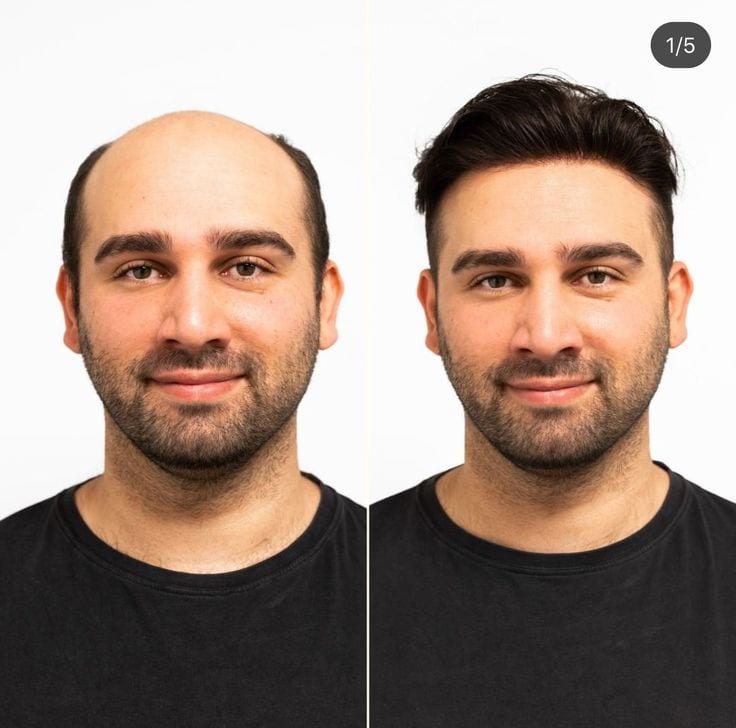
Hair systems and toupees vs. hair transplantation: what is the difference?
Hair systems offer instant fullness without surgery. I compare them honestly with a transplant: the advantages, the disadvantages and who each solution suits.
Read moreChoosing a clinic 7

10 red flags at a hair clinic
Knowing the warning signs before you book can save you from a poor result.
Read more
What is ISHRS, and why should you look for it?
ISHRS is the world's largest professional community for hair surgeons. Membership is one of the clearest marks of quality.
Read more
ISO and MOH: what the certifications actually mean
Two abbreviations you come across again and again: what they cover, and what they do not guarantee.
Read more
12 questions you should ask the clinic before you book
The right questions quickly reveal a clinic that has its house in order, and expose the ones that do not.
Read more
Technician or surgeon: who actually performs your hair transplant?
The most important question you can ask a clinic concerns who really performs the critical steps. I explain the difference, and why it determines your result.
Read more
The online consultation: how to get the most from a digital hair assessment
Most clinics offer online consultations. I explain how to prepare, which photographs to send, and how to assess the answer critically.
Read more
Why a second opinion is wise before a hair transplant
A transplant is near-permanent, so an extra assessment may be the smartest thing you do. I explain why a second opinion protects you, and how to use it.
Read moreAftercare 10
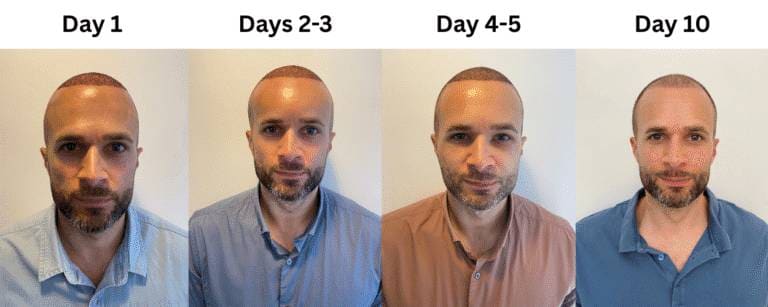
The first 10 days after a hair transplant
Day by day: washing, crusts, sleep and medication, so that the new grafts get the best possible start.
Read more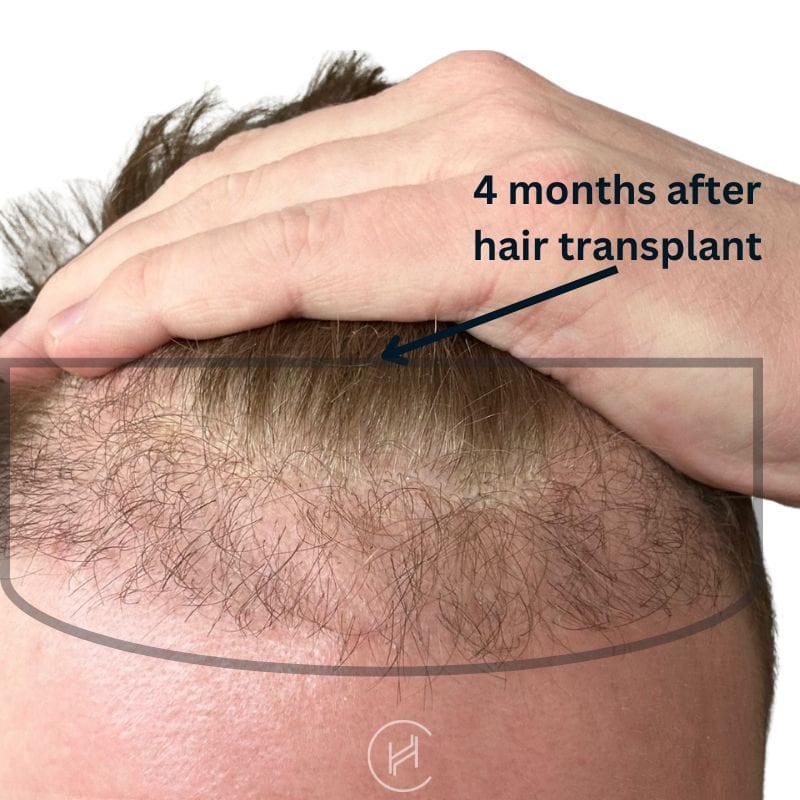
Shock loss: why the new hairs fall out (and come back)
It looks alarming, but it is entirely expected, and a sign that the process is normal.
Read more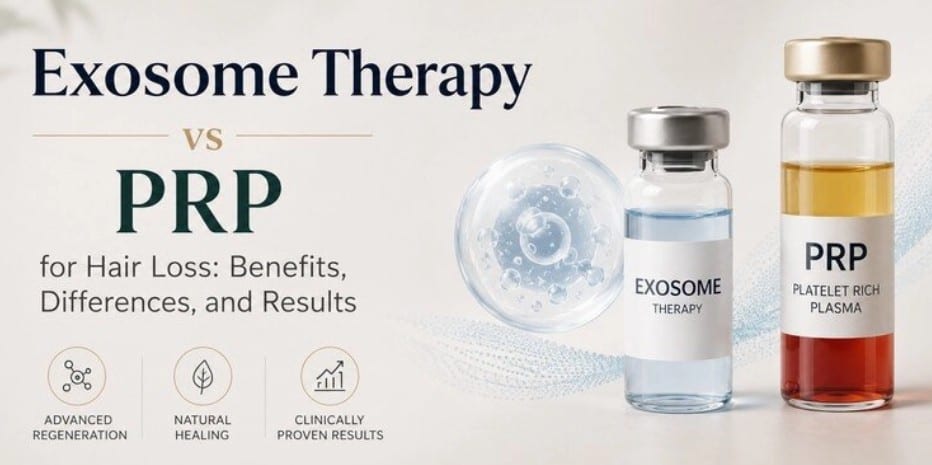
PRP and exosomes after the operation: do they help growth?
Some clinics offer PRP or exosomes as a "boost" after the transplant. What is actually known?
Read more
When can I train and swim again after a hair transplant?
Sweat, knocks or chlorinated water too early can damage the new grafts. Here is a realistic timeline.
Read more
Hyperbaric oxygen therapy and hair transplantation: does it help graft survival?
Hyperbaric oxygen therapy (HBOT) is increasingly marketed as a 'boost' for hair transplantation. I go through the mechanism, the real evidence and the pros and cons as I honestly see them.
Read more
The first 72 hours after a hair transplant: the most critical phase, hour by hour
The first three days determine a large part of how many grafts survive. I review what happens, what you should do, and what you must at all costs avoid.
Read more
Flying after a hair transplant: when is it safe to fly home?
Many people travel abroad for a transplant and have to fly home shortly afterwards. I explain what to be aware of, and how to protect the grafts on the way.
Read more
Sun and UV after a hair transplant: why you have to protect the scalp
A newly healed scalp cannot tolerate sun. I explain why UV is risky after a transplant, how long you have to be careful, and how to protect yourself.
Read more
Spots and folliculitis after a hair transplant: what is normal?
Small spots in the recipient area are common after a transplant. I explain what folliculitis is, why it happens, and when to contact the clinic.
Read more
Patience: the difficult wait after a hair transplant
The hardest part of a hair transplant is often the wait. I explain why the result takes so long, what happens along the way, and how to hold out.
Read moreWomen & hair loss 5

Hair loss in women: causes and options
Women lose hair differently from men, and often need a more thorough assessment.
Read more
FPHL vs. male hair loss: why they are not the same
Female hair loss (FPHL) follows a different pattern from men's, and therefore requires a different approach.
Read more
PRP treatment for female hair loss
PRP has become popular against thinning, but what is the evidence, and for whom does it make sense?
Read more
Hair loss after childbirth: why it happens, and when it goes away
Many new mothers experience marked hair loss 2-4 months after the birth. It is almost always temporary.
Read more
Spironolactone for hair loss in women: how does it work, and who does it suit?
Finasteride is not suitable for women of childbearing age, but Spironolactone is one of the most widely used hormonal options for female hair loss. I review its action, the evidence, the side effects and who it suits.
Read moreCost & travel 5

What does a hair transplant cost, and why cheapest is rarely best
The price varies enormously. Here is what drives it, and why price should never be the only factor.
Read more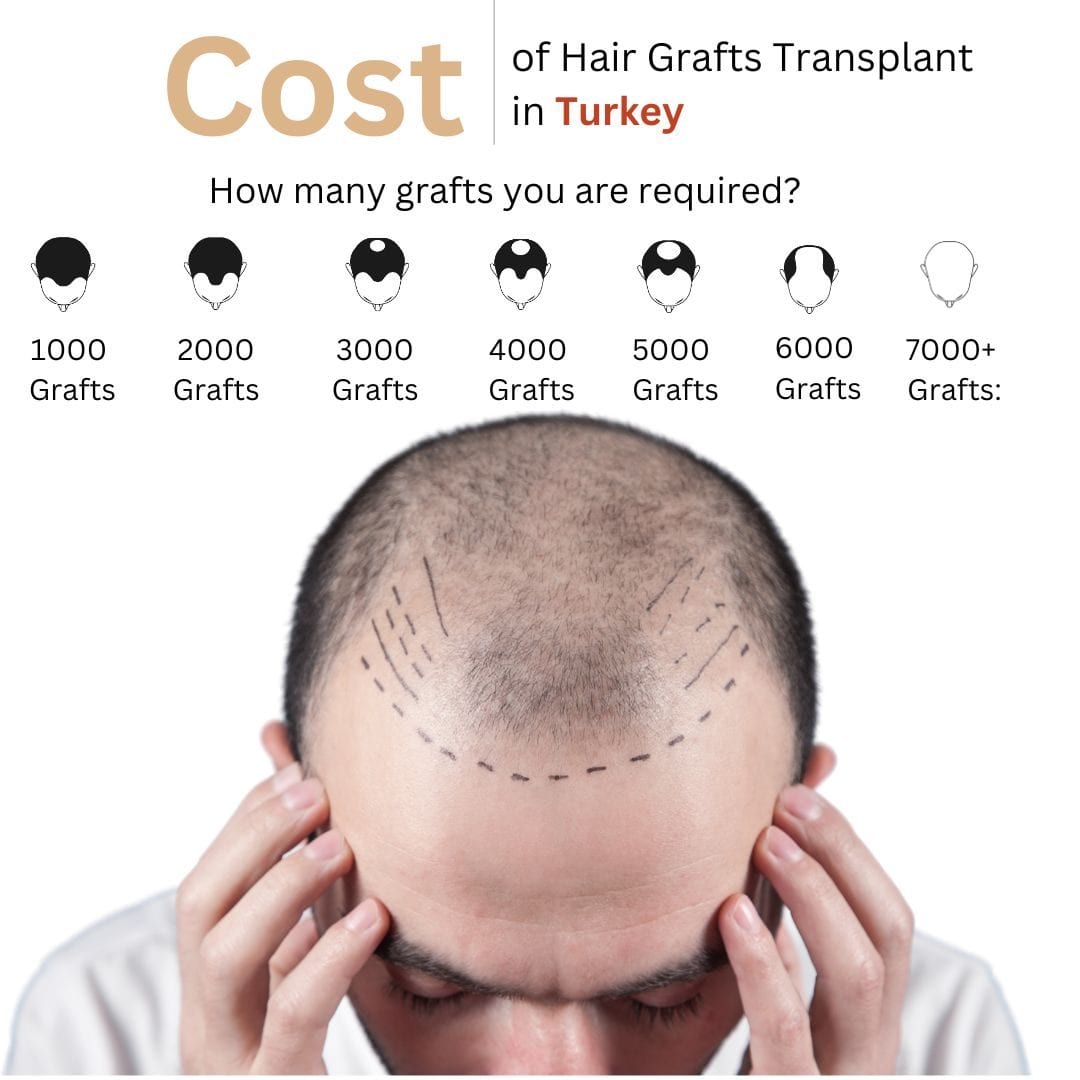
Price per graft: how to read the offer correctly
Price per graft sounds simple, but it can hide both good offers and traps. Here is what to look for.
Read more
Travel costs: the hidden part of the calculation
The procedure itself is one thing, but flights, hotel, transport and follow-up can shift the total price noticeably.
Read more
Hidden fees: how to avoid unpleasant surprises
Some offers look cheap, until the extra bills appear. Here are the fees you need to ask about.
Read more
Financing a hair transplant: how do you handle the cost wisely?
A hair transplant is a considerable expense. I explain how to think sensibly about the finances, without letting price alone govern a permanent decision.
Read moreNorwood & grafts 5
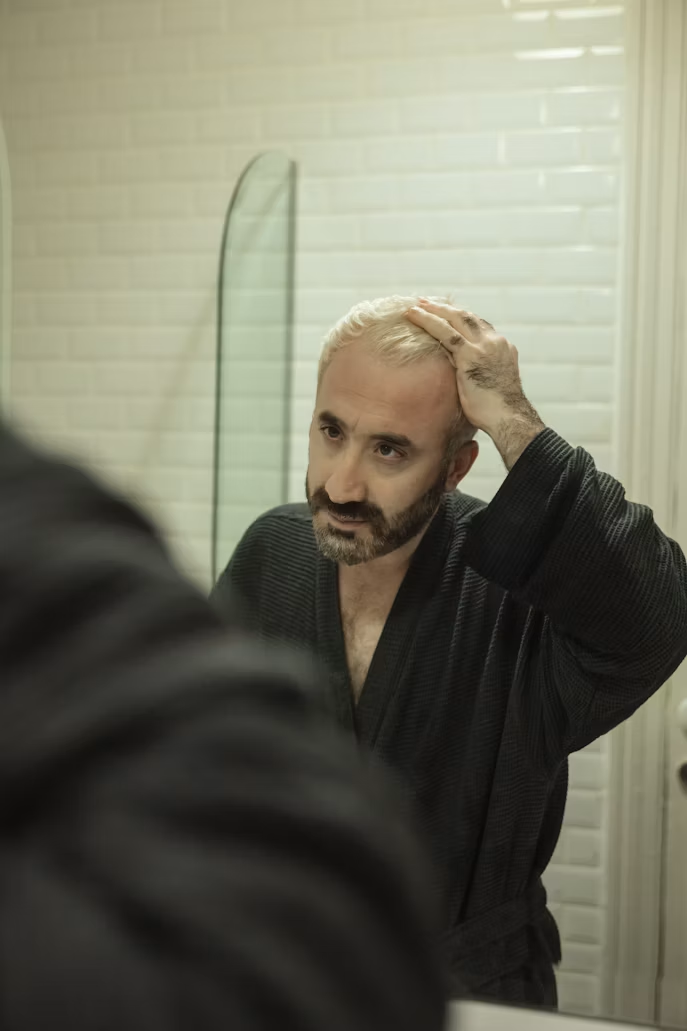
The Norwood scale explained: how to read your stage
The Norwood scale is the standard for describing male hair loss. Here is what the seven stages actually mean for you.
Read more
How many grafts does each Norwood stage require?
An indicative overview of the graft requirement from Norwood 2 to Norwood 7, and why the number is never the whole story.
Read more
Donor capacity: the limit every hair transplant has
The donor area is a limited resource. Understanding its limits is the key to realistic expectations.
Read more
Can you predict how much hair you will lose?
There is no crystal ball, but family history, age and the pattern of development give a usable indication.
Read more
Beard or scalp hair? They come from the same donor
Beard grafts are taken from the back of the head, exactly like scalp grafts. Here is how to work out whether there is enough for both.
Read moreLifestyle & myths 13

Diet and hair health: what actually helps?
No diet can cure hereditary hair loss, but deficiencies can make it worse. How to feed your hair well.
Read more
Stress and hair loss: the myth, the truth and telogen effluvium
Stress can trigger marked but temporary hair loss, which is a different thing from hereditary loss.
Read more
Smoking and alcohol after a hair transplant
The first weeks are critical for graft survival, and both smoking and alcohol get in the way of healing.
Read more
The most widespread myths about hair loss, debunked
Hats, frequent washing, masturbation, sun hats? Most of the "causes" you have heard about are myths. Here are the facts.
Read more
Creatine and hair loss: myth or fact? What the science actually says
Many gym-goers fear that creatine accelerates hair loss. I explain where the concern comes from, and what the evidence really shows.
Read more
Testosterone, TRT and hair loss: does it accelerate thinning?
Testosterone treatment and hair loss are closely linked in many men's fears. I explain the relationship between testosterone, DHT and hereditary hair loss, and what it means.
Read more
Hair loss and psychology: the overlooked emotional side
Hair loss is not only about hair. I talk honestly about the emotional burden, unrealistic expectations, and when the problem does not lie in the follicles.
Read more
Protein deficiency and hair loss: can your diet cost you your hair?
Hair is built from protein. I explain how protein deficiency and extreme diets can trigger hair loss, and how to support the hair through your diet.
Read more
Sleep and hair health: does poor sleep affect your hair?
Sleep affects hormones, stress and healing. I explain the indirect but real connection between sleep and hair health, without exaggerating it.
Read more
Anabolic steroids and hair loss: a powerful accelerator for the genetically predisposed
Anabolic steroids can accelerate hair loss markedly in those predisposed. I explain the mechanism, why the effect can be dramatic, and what you need to know.
Read more
Hard water and hair loss: myth or genuine concern?
Can hard water cost you your hair? I explain what hard water does to the hair, why it does not cause hereditary hair loss, and when it can still be a nuisance.
Read more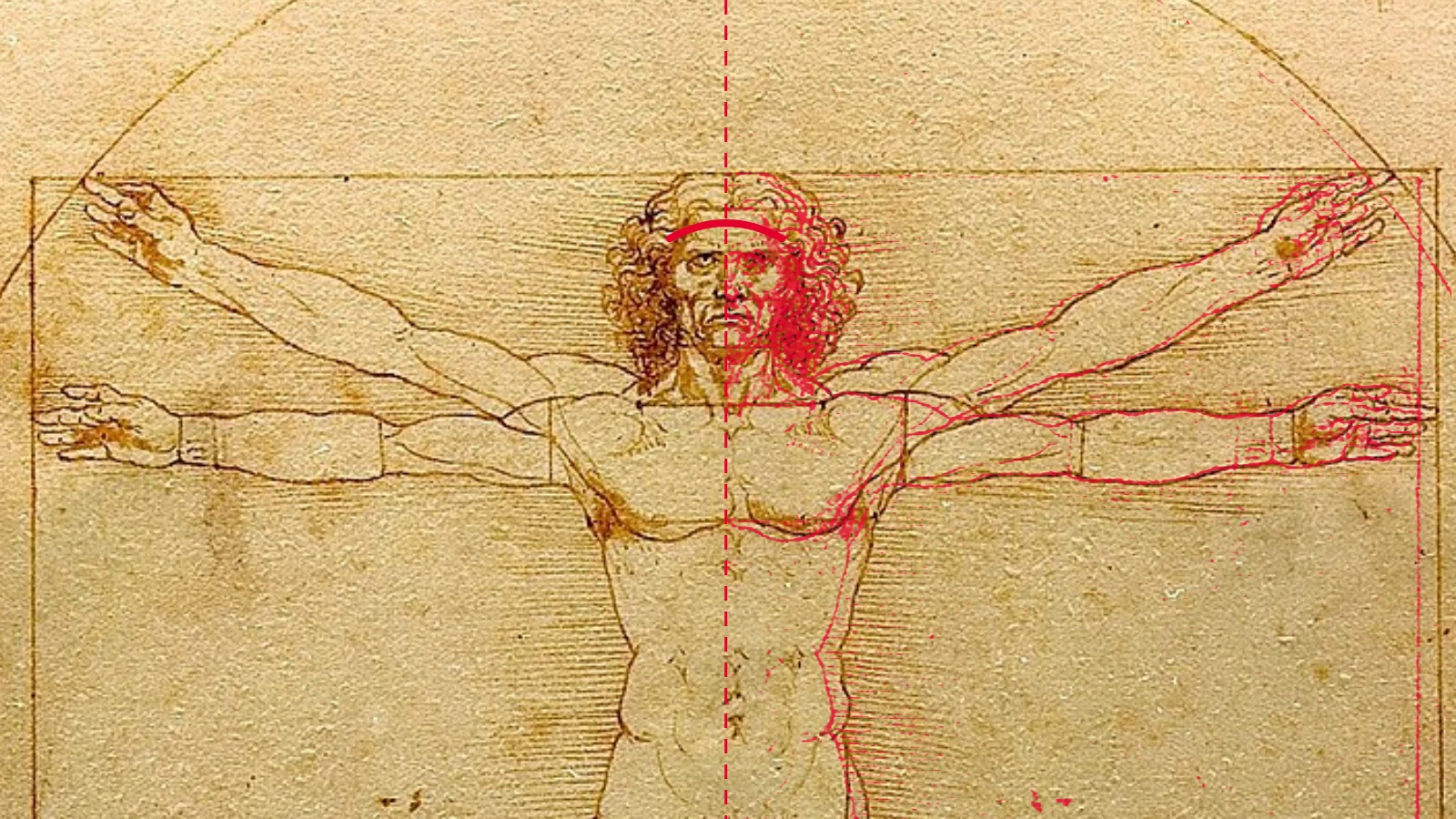
Looksmaxxing explained: what it is, what science says, and why perfect symmetry is overrated
Looksmaxxing is the internet's attempt to optimise the human face with a ruler and a forum. This post covers where it came from, what the symmetry research shows, and why a perfectly symmetrical face is less of a prize than the forums claim. It also covers what looksmaxxing gets right and wrong about hair, and when a transplant makes sense.
Read more
Softmaxxing vs hardmaxxing: what the difference is, and where to stop
Softmaxxing covers the sleep, skincare and haircut end of looksmaxxing. Hardmaxxing covers the surgery, needles and hammer end. This post explains the difference, shows what the evidence says about the boring half, and tells you where to stop. Hair gets its own ladder, up to the transplant.
Read moreCountry guides 3

At home vs. abroad: where should you have it done?
Price, quality, proximity and follow-up each pull in a different direction. How to weigh the advantages against each other.
Read more
Follow-up when the clinic is abroad
What happens if you have questions or problems once you are home again? Good follow-up should be agreed in advance.
Read more
Language and communication when treated abroad
Misunderstandings about the plan, expectations and aftercare can cost you the result. Clear communication is not a luxury.
Read more