How to reduce and slow hair loss (non-surgical methods)
Introduction: why medical treatment is often the first step
A hair transplant moves hair, but it does not stop hereditary hair loss in itself. Treating hair loss without surgery is therefore not merely an alternative to an operation, it is often a precondition for a durable result. If you do not slow the underlying process, you risk that your own hair around a transplanted area keeps thinning, so that over the years the result looks unnatural.
This guide works through the documented options for stopping hair loss in men and women without surgery. We write in plain language and distinguish clearly between treatments with solid scientific documentation and those where the evidence is weaker. The aim is that you can make an informed choice, preferably together with a doctor, and hold realistic expectations of what each treatment can and cannot do. The text is informative and does not replace an individual medical assessment or a prescription.
The basic principle: early action preserves the most hair
The most important principle in all treatment of hair loss is timing. Medical treatment is far better at preserving existing hair than at regrowing hair from follicles that have already been completely destroyed. A follicle that has shrunk but still produces a thin vellus hair can often be revitalised, whereas a follicle that has disappeared and been replaced by scar tissue cannot be brought back by any cream or pill.
The consequence is clear: the earlier you start after the first signs of hereditary hair loss, a receding hairline, high temples or thinner hair on top, the more hair you can keep. Waiting until the thinning is obvious to everyone often means the best treatment window has already passed. At the same time, every effective treatment requires continuous use. If you stop, the hair loss typically resumes within 6 to 12 months, and the gains are gradually lost.
Minoxidil: the vasodilating first line treatment
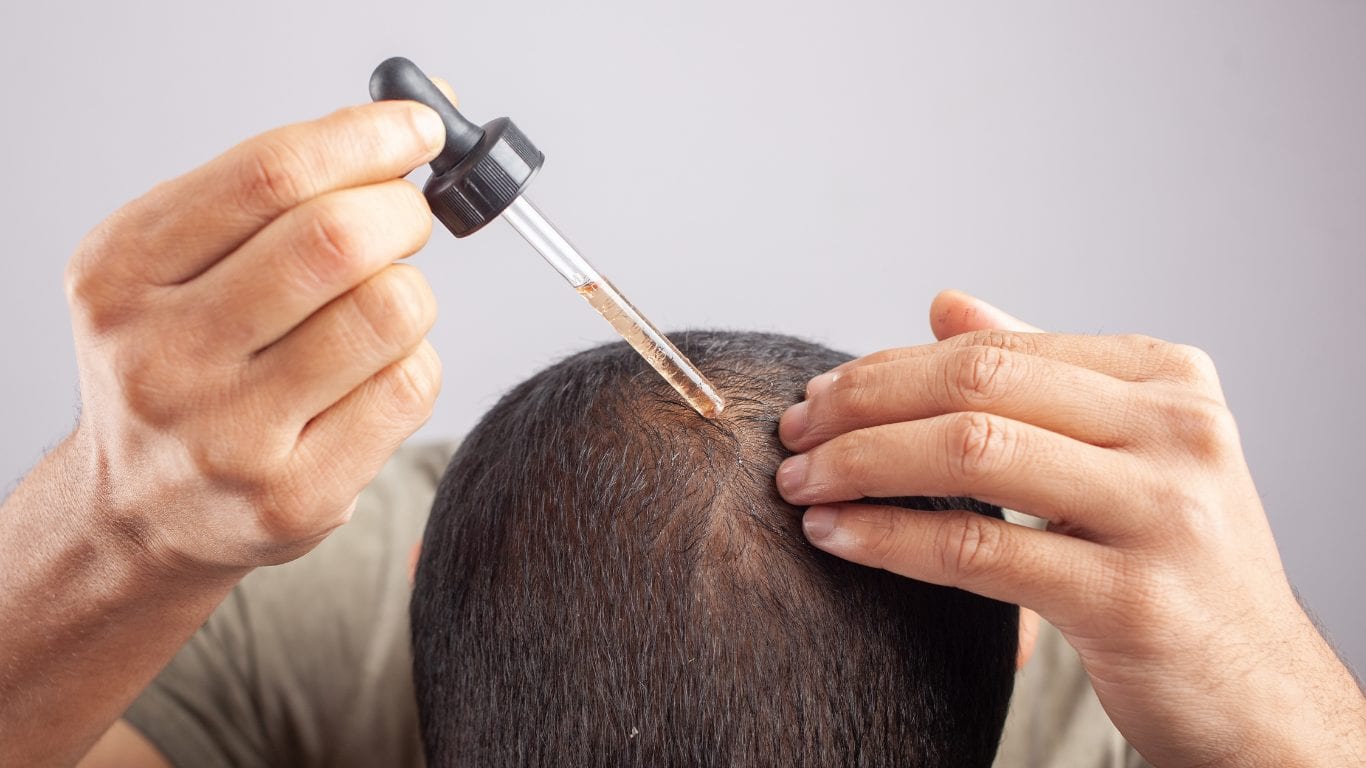
Minoxidil is one of the best documented treatments against hair loss and a natural first choice for many. It was originally developed as blood pressure medication, but increased hair growth was discovered as a striking side effect. Today it is used topically as a solution or foam in 2 percent and 5 percent strengths, and increasingly as low dose tablets under medical supervision.
Minoxidil is thought to widen the blood vessels around the follicle and prolong the growth phase, so that more hairs grow at the same time and become thicker. It does not act on the hormone DHT and therefore does not remove the cause itself, but it counteracts the symptom effectively. To the question of whether Minoxidil works, the answer is yes for many, but the effect is typically seen only after 3 to 6 months of daily use and is greatest on the top and the crown. Many experience a temporary increase in shedding at the start. That is a normal sign that new hairs are on the way, not a sign of failure. Local side effects can include a dry, itchy or flaking scalp, and the effect disappears if the treatment is stopped.
Finasteride: the DHT blocker that targets the cause
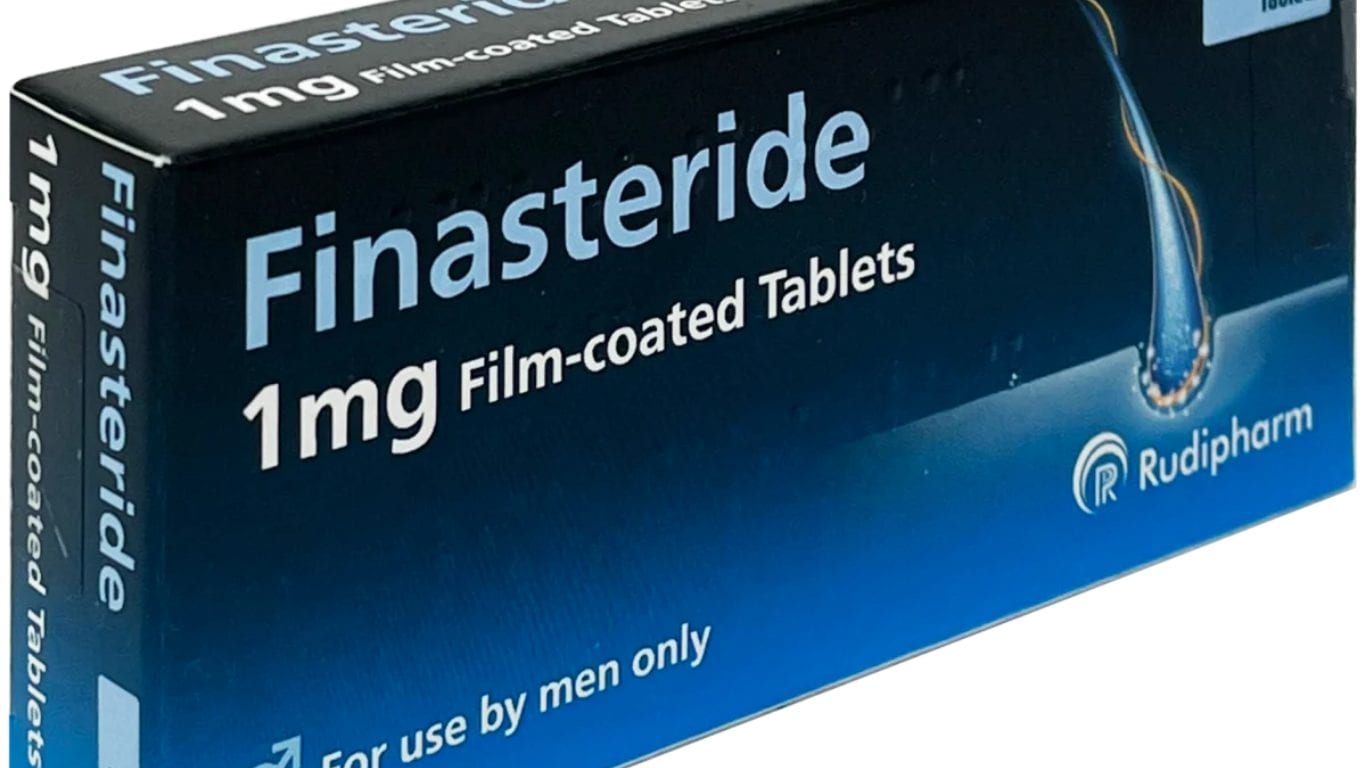
Where Minoxidil treats the symptom, Finasteride goes after the cause of hereditary hair loss itself. It is a 5-alpha-reductase inhibitor that blocks the conversion of testosterone into DHT, the hormone that miniaturises genetically sensitive follicles. By lowering the DHT level in the scalp, Finasteride slows the hereditary process and in many cases stabilises the hair loss.
Finasteride at 1 mg daily is among the best studied treatments for male hair loss. Studies show that a large majority of men either preserve or increase their hair volume over several years, which is why it is a cornerstone of long term preservation, often combined with Minoxidil. A minority experience sexual side effects such as reduced libido or erectile difficulty. For most people the side effects of Finasteride are reversible on stopping, but they should be discussed thoroughly with a doctor before starting. The question of Finasteride or hair transplant is often not an either/or: Finasteride preserves your own hair, while a transplant rebuilds lost areas, and the two are typically used together. Finasteride is prescription only and is not for women of childbearing age because of the risk of harm to a foetus.
Dutasteride and other DHT blockers
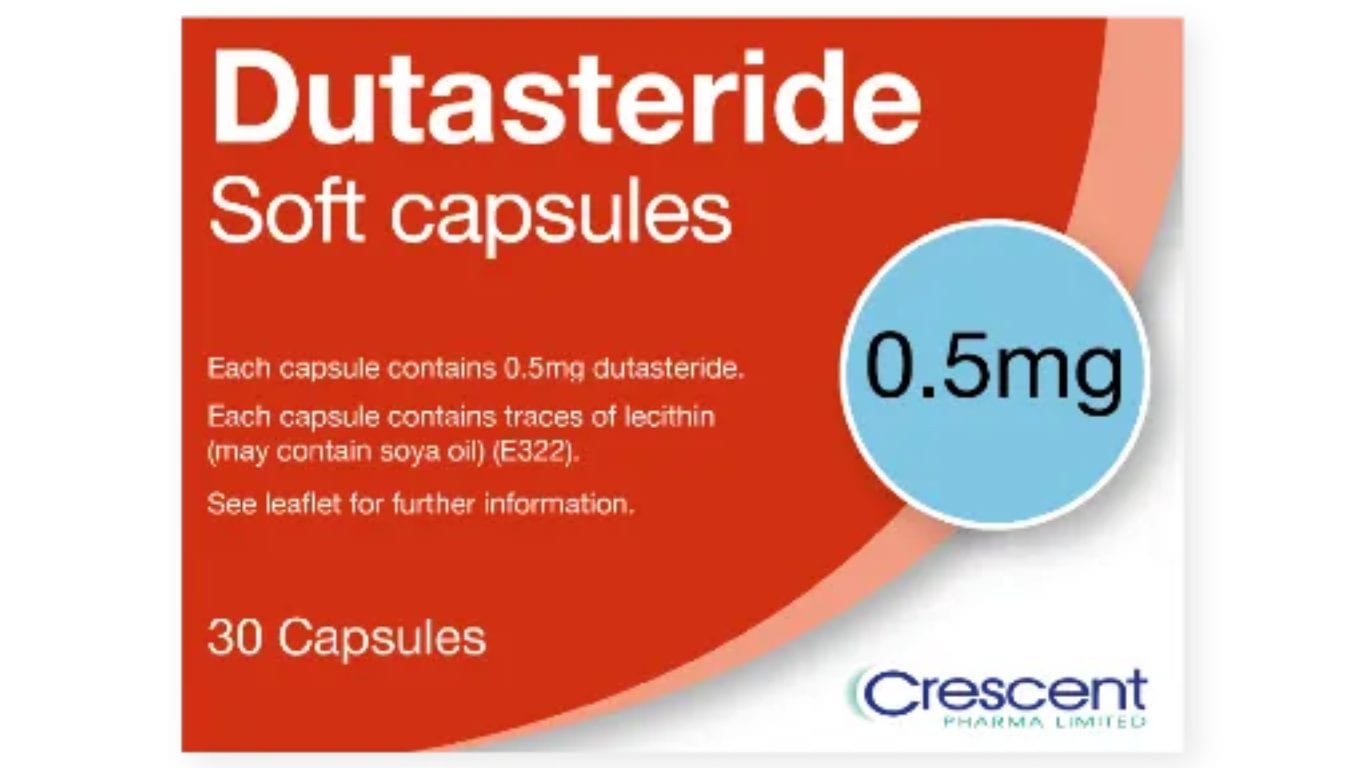
Dutasteride is a related 5-alpha-reductase inhibitor that blocks both types of the enzyme and therefore lowers DHT even more powerfully than Finasteride. In some places it is used off label for hair loss, often when Finasteride does not give a sufficient effect. The stronger action can be accompanied by a correspondingly greater consideration of side effects, and it should always be used under medical guidance.
What all DHT blockers have in common is that they require continuous use, work preventively rather than restoratively, and that the choice between them is an individual balance of effect, side effects and your overall health. For most people Finasteride is the sensible first choice, and Dutasteride the stronger card you can play if the need arises. This decision belongs in a consultation with a doctor, not in an internet forum.
Ketoconazole shampoo as an add-on
Ketoconazole is an antifungal substance which, in shampoo form, typically 2 percent, is used against dandruff and the greasy condition seborrhoeic dermatitis. There are indications that Ketoconazole also has a mild anti-androgenic effect locally in the scalp and can reduce the inflammation around the follicles that worsens hair loss.
Ketoconazole is not a standalone solution to hereditary hair loss, but a cheap and gentle add-on used 2 to 3 times a week alongside Minoxidil or Finasteride. A healthy, inflammation free scalp is a better growing environment for the hair, and because the effort is so small, even a modest gain is worth taking. If you are already treating dandruff, you get a well documented bonus effect on top.

Get a free hair analysis
- 1Start
- 2Info
- 3Done
PRP: the growth factors in your own blood
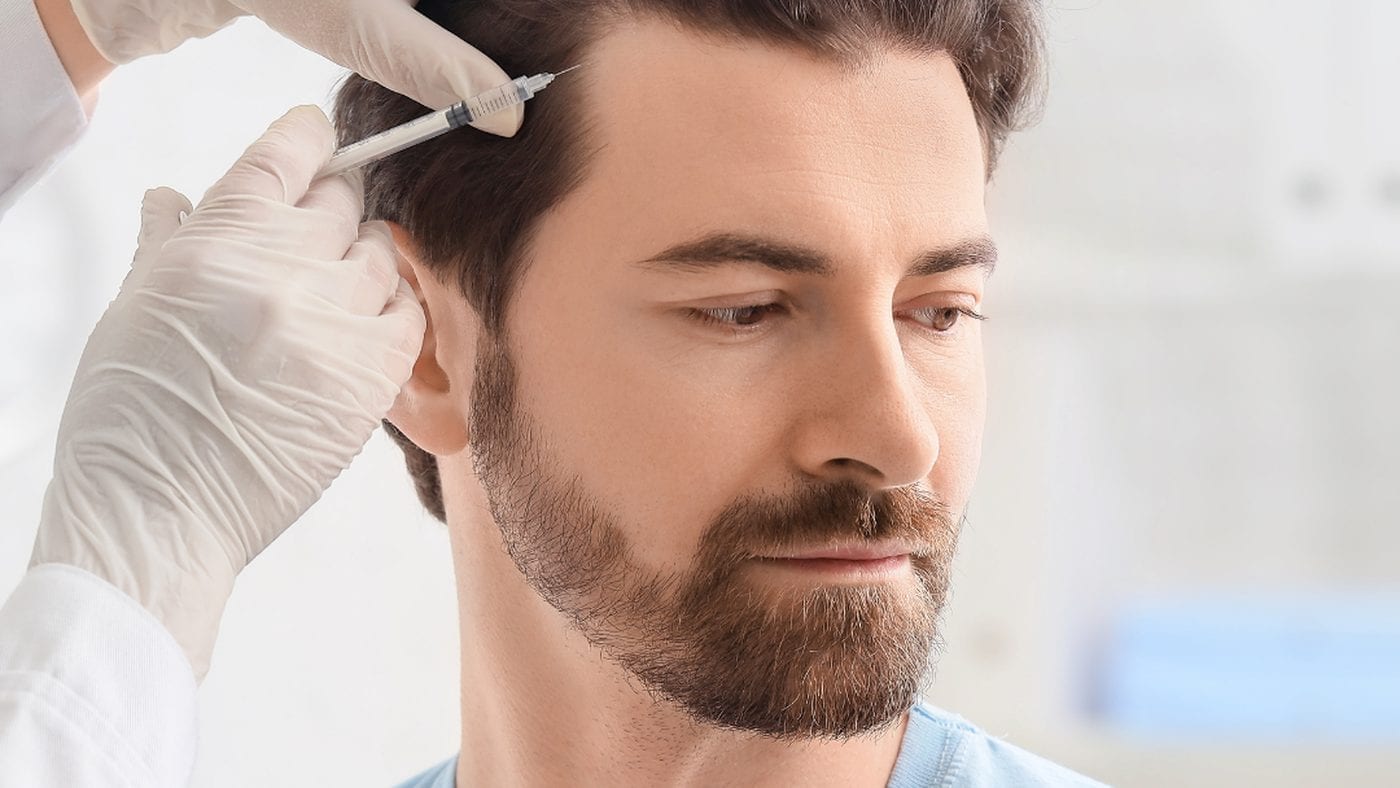
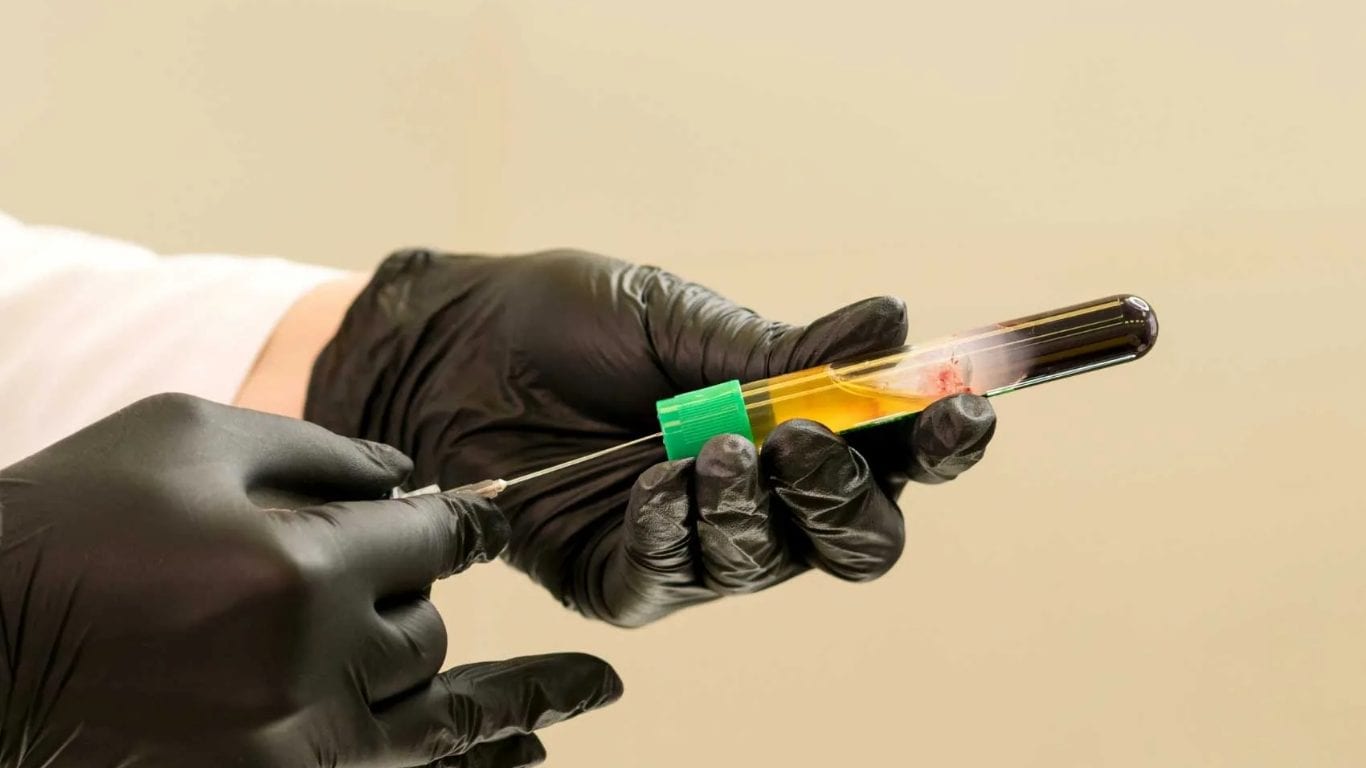
PRP, platelet rich plasma, is a treatment in which a small amount of the patient's own blood is drawn, centrifuged to concentrate the platelets and their growth factors, and the plasma is then injected into the scalp. The idea is that the growth factors stimulate the follicles and prolong the growth phase. The price of PRP hair treatment depends on the number of sessions.
The evidence for PRP is promising, but less clear cut than for Minoxidil and Finasteride, and the protocols vary a great deal between clinics, which makes the results hard to compare. PRP is typically used as an add-on, either to support existing hair or to promote healing and growth after a transplant. It requires repeated sessions to maintain the effect and should be seen as an addition, not a replacement for well documented medication. The same applies to hair mesotherapy, where a cocktail of nutrients is injected into the scalp, but where the evidence is weaker still.
Microneedling and laser (LLLT)
Microneedling makes microscopic punctures in the scalp with a roller or pen of fine needles. This triggers a wound healing response with the release of growth factors and can also improve the absorption of topical Minoxidil. In several studies the combination of microneedling and Minoxidil has shown better results than Minoxidil alone, which makes microneedling one of the better documented add-ons. Technique, needle depth and hygiene are decisive for safety.
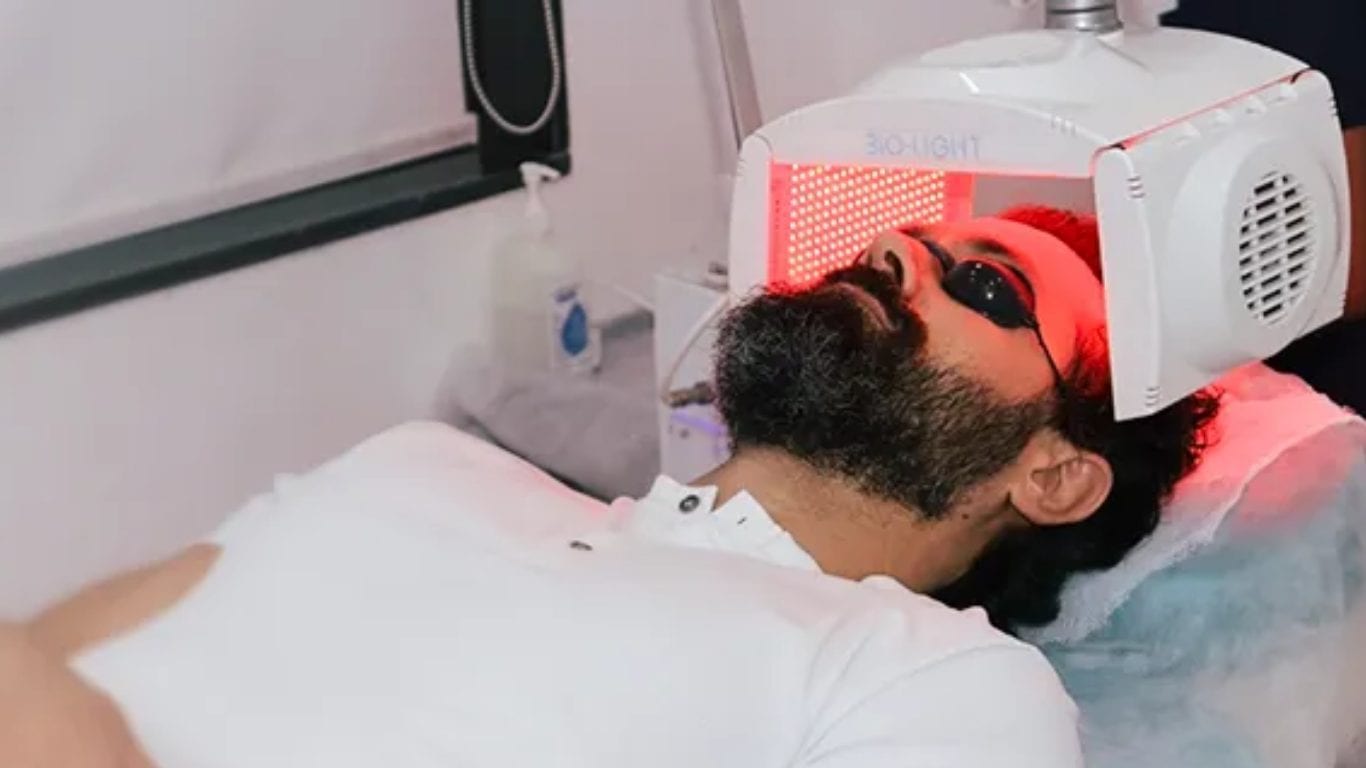
LLLT, low level laser therapy with red light, is delivered via helmets, combs or panels and is thought to stimulate the energy production of the follicles. The treatment is painless and almost free of side effects, but the effect is generally mild and is best documented as an add-on to the rest of the treatment rather than as a standalone course. Both microneedling and laser work best on top of a foundation of well documented medication, not instead of it.
Lifestyle, diet and scalp care
No change of lifestyle can stop hereditary hair loss on its own, but it can remove unnecessary extra burdens and give the treatment the best possible conditions. This is especially true in diffuse hair loss, where an underlying cause often plays a part. The most relevant measures are to correct genuine deficiencies, ensure enough protein, stop smoking, manage stress and sleep, and handle the hair gently.
Have your iron, that is ferritin, vitamin D and thyroid function checked, and correct only what is actually lacking, because supplements only help where there is a real deficiency. Hair is built from the protein keratin, so avoid extreme diets. Smoking impairs the blood supply to the follicles, and chronic stress can keep a diffuse hair loss going. Avoid tight hairstyles, aggressive heat and harsh chemical treatment. See the full review of what causes hair loss in our guide to the causes of hair loss.
If you are offered a vitamin course aimed at the scalp, we cover that under SVP, Scalp Vitamin Protocol.

How the treatments are combined
For most people with hereditary hair loss the most effective strategy is a combination: a DHT blocker such as Finasteride to slow the cause, Minoxidil to stimulate growth, and possibly Ketoconazole shampoo, microneedling or PRP as add-ons. The two main treatments work through different mechanisms and reinforce each other, so they deliver better results together than separately.
Always build from the bottom up. Make sure the foundation of well documented medication is in place, then add the cheap, sensible supplements, and only at the very end consider the expensive extras. Reversing the order, spending a fortune on PRP or mesotherapy while skipping Finasteride, is a classic mistake. Nor are more treatments automatically better: a well considered combination of a few well documented elements beats an unmanageable stack of random products.
Realistic expectations and timeline
Be realistic about what medical treatment can do. The goal is usually to stop the loss and regain some density, not to recreate a teenage hairline. Results come slowly over 6 to 12 months and demand persistence, and if you stop, the gains are lost. Patience is therefore just as important as the treatment itself.
If your hair loss is already advanced, medication can preserve the remaining hair, while a hair transplant rebuilds the areas where the follicles are lost. Regard medical treatment and a possible transplant as complementary tools in the same long term effort, not as competitors. The best and most durable aesthetics are achieved when a well executed transplant is supported by solid, ongoing medical maintenance.
Summary
Treating hair loss without surgery is the foundation of any long term hair strategy. Finasteride and Minoxidil are the two best documented pillars, one slows the cause, the other stimulates growth, and they are often supplemented with Ketoconazole, PRP or microneedling. What they all have in common is that they require an early start and continuous use, and that they preserve hair better than they restore it.
Decide on a plan together with a doctor, give it at least 6 to 12 months, and regard medical treatment and a possible hair transplant as complementary, not competing, tools. With realistic expectations and a little patience you can keep far more of your hair than if you wait. This article is informative and does not replace an individual medical assessment.
Frequently asked questions
Can hereditary hair loss be stopped entirely without surgery?
In many people hereditary hair loss can be stopped or markedly slowed with medical treatment, especially Finasteride combined with Minoxidil, if you start early. The treatment preserves existing hair better than it restores lost hair, and it has to be used continuously for the effect to last.
What is the difference between Minoxidil and Finasteride?
Finasteride targets the cause by lowering DHT, the hormone that miniaturises the follicles. Minoxidil targets the symptom by prolonging the growth phase and stimulating the circulation around the follicle. They work through different mechanisms and are therefore often used together for a better effect.
How quickly does the treatment work?
Expect 3-6 months before you see a clear effect, and up to 12 months for the full result. At the start Minoxidil can cause a temporary increase in shedding, which is a normal sign that new hairs are on the way.
What happens if I stop the treatment?
The effect of both Minoxidil and Finasteride depends on continued use. If you stop, the hereditary hair loss typically resumes within 6-12 months, and you gradually lose the hair volume the treatment had preserved.
Is PRP an effective alternative to medication?
PRP is promising as an add-on, but the evidence is weaker and less consistent than for Minoxidil and Finasteride, and the protocols vary a great deal. It is best used as an addition, for example to support healing after a transplant, not as a replacement for well documented medication.
Can women use the same treatments?
Partly. Minoxidil is also used by women, but Finasteride is not advised for women of childbearing age because of the risk of harm to a foetus. Female hair loss should always be investigated for iron deficiency, thyroid function and hormonal disturbances, and treated in consultation with a doctor.
Should I take medication if I have a hair transplant?
Often yes. A transplant moves hair, but it does not stop the hereditary loss of your original hair. Continued medical treatment protects the non transplanted hair, so that the result stays natural and dense over the years.
Get a no-obligation assessment against fixed criteria, directly on WhatsApp.