Professionally grounded
All content is editorially prepared and reviewed, from causes to aftercare, with sources and protocols.
From the causes of hair loss, through documented non-surgical treatments, to the choice of method, clinic and correct aftercare. Professionally grounded knowledge, gathered in one place.
From first contact to the final result. A typical process looks like this:
You send photographs and information; we assess your situation against fixed criteria and reply on WhatsApp.
Together we establish the Norwood stage (how far the pattern has progressed), the number of grafts needed, and the right method (FUE, DHI or FUT).
The procedure itself typically takes 6-8 hours under local anaesthesia, usually in a single day.
Gentle medical washing, crust management and medication according to the clinic's protocol.
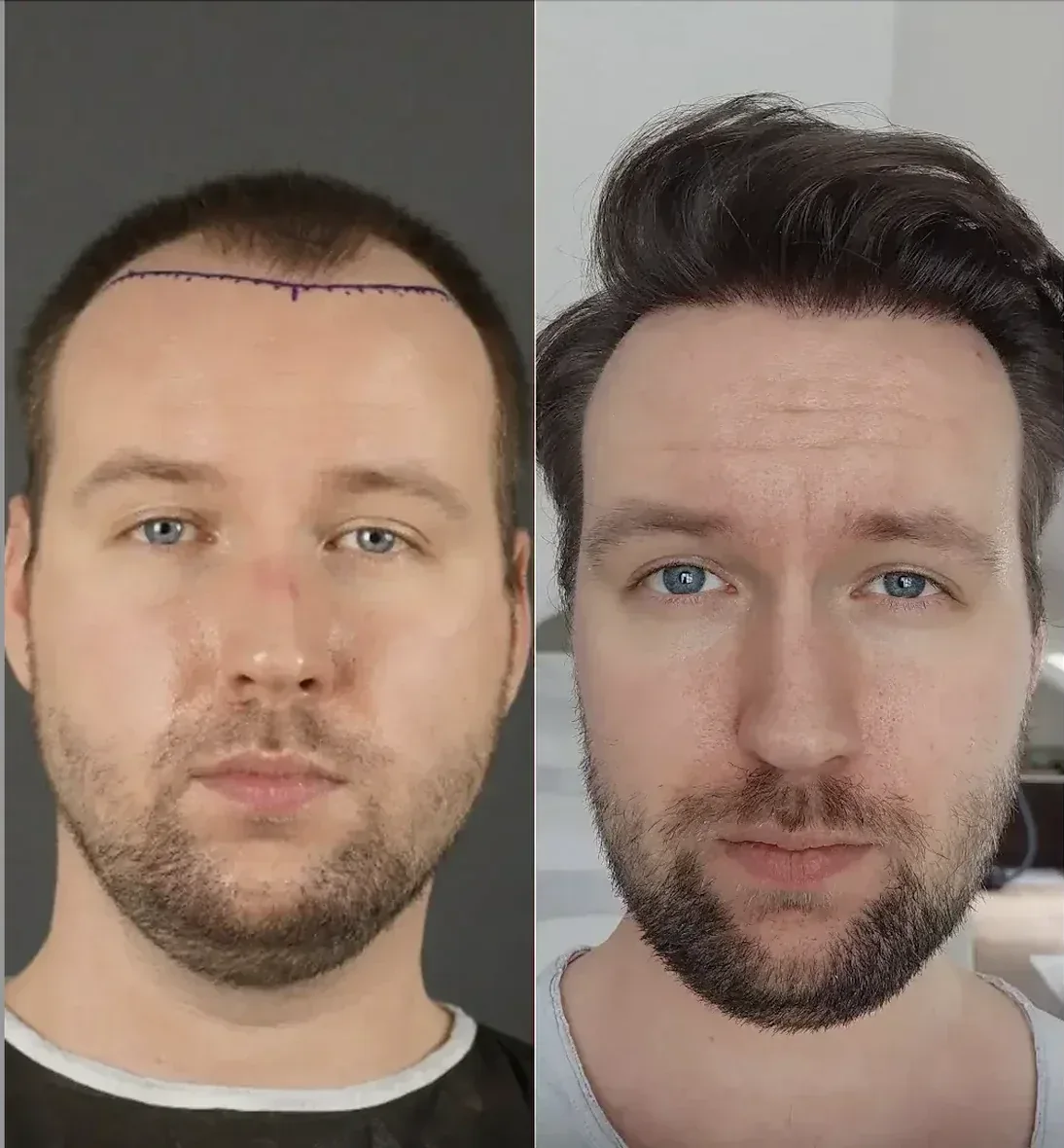
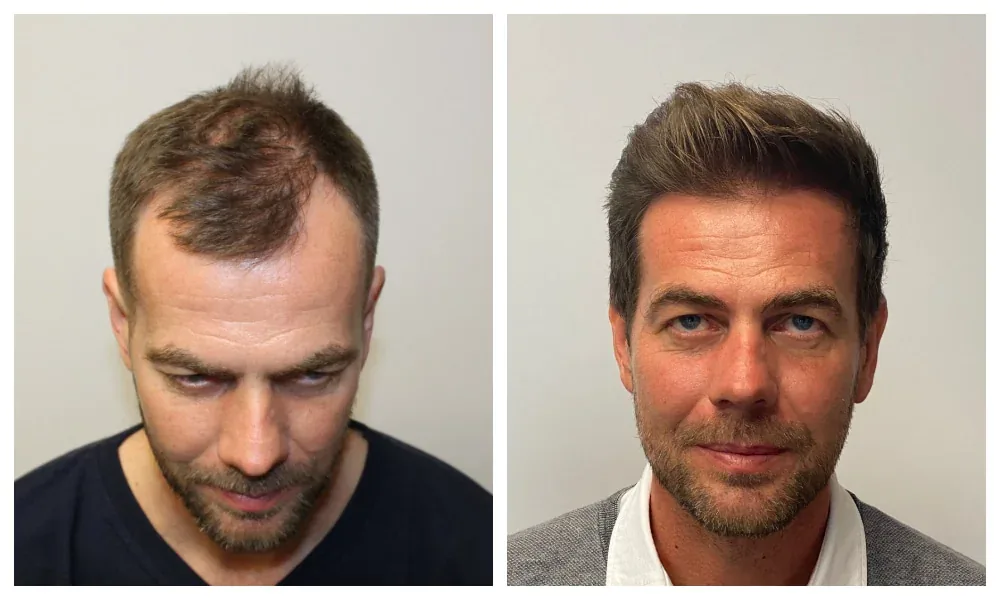
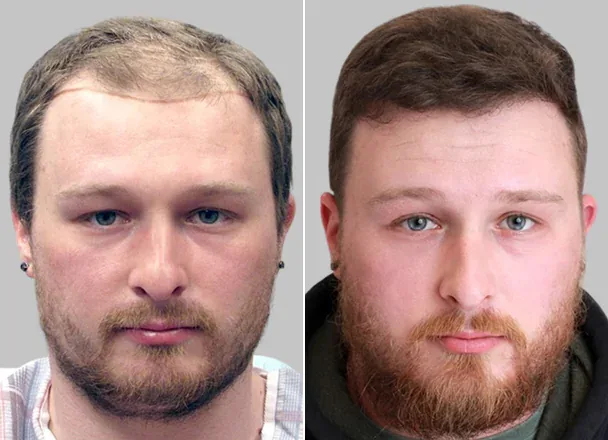
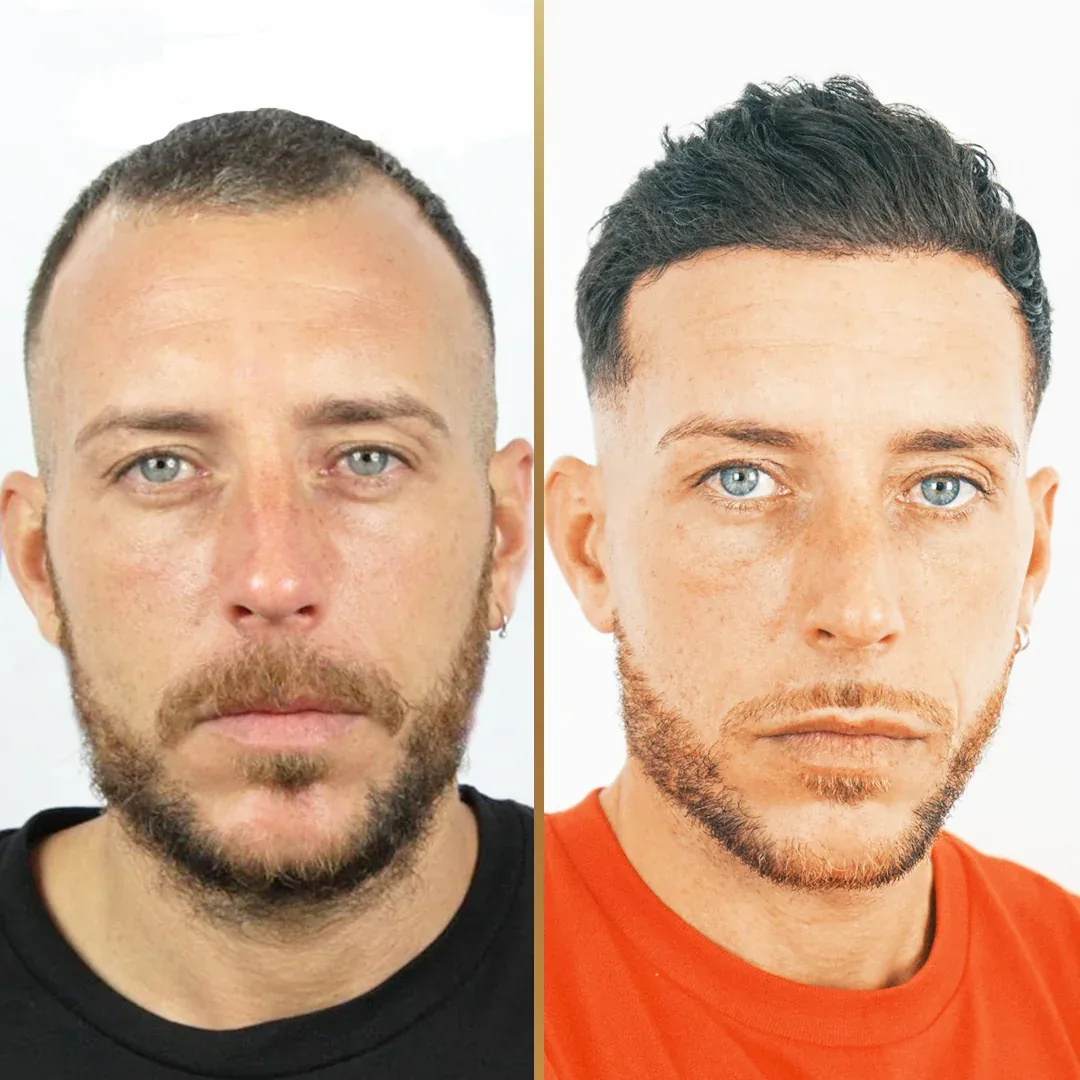
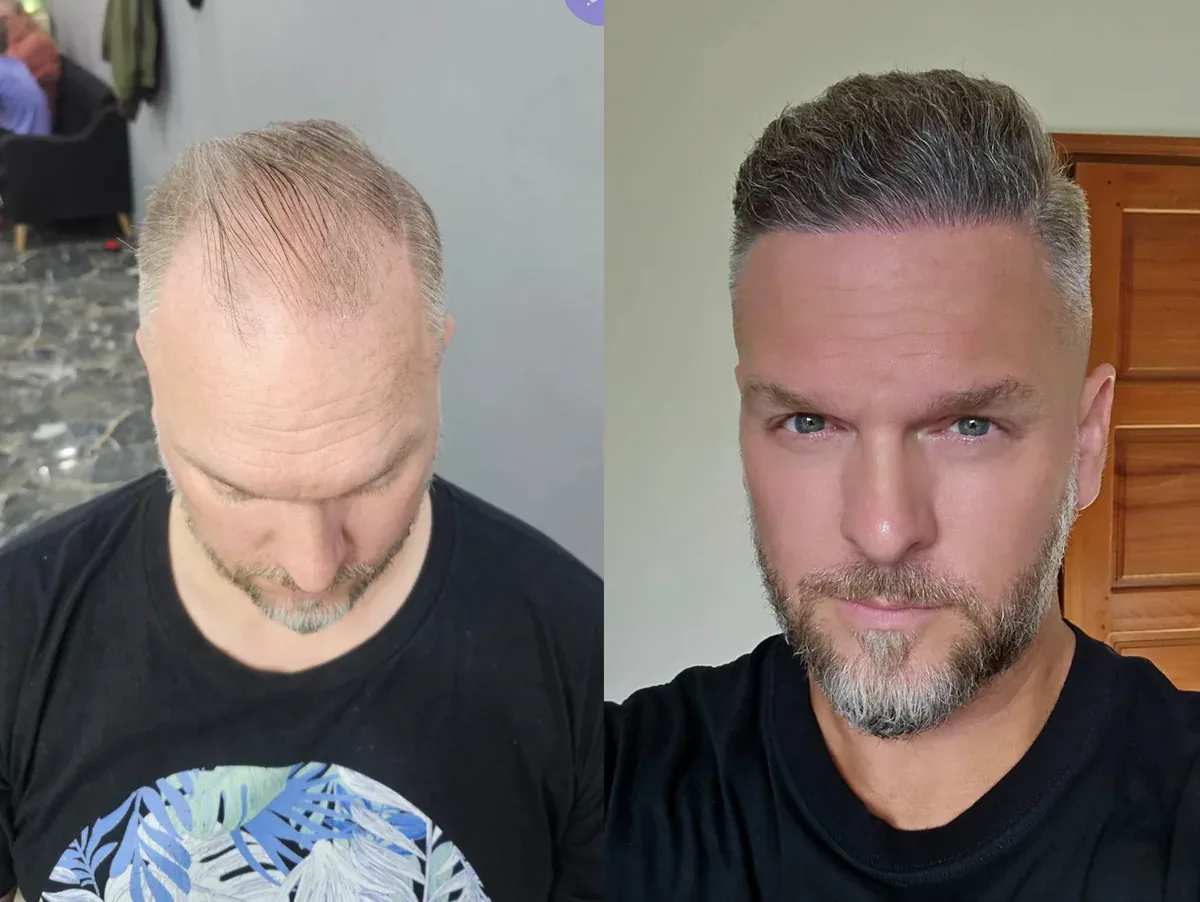
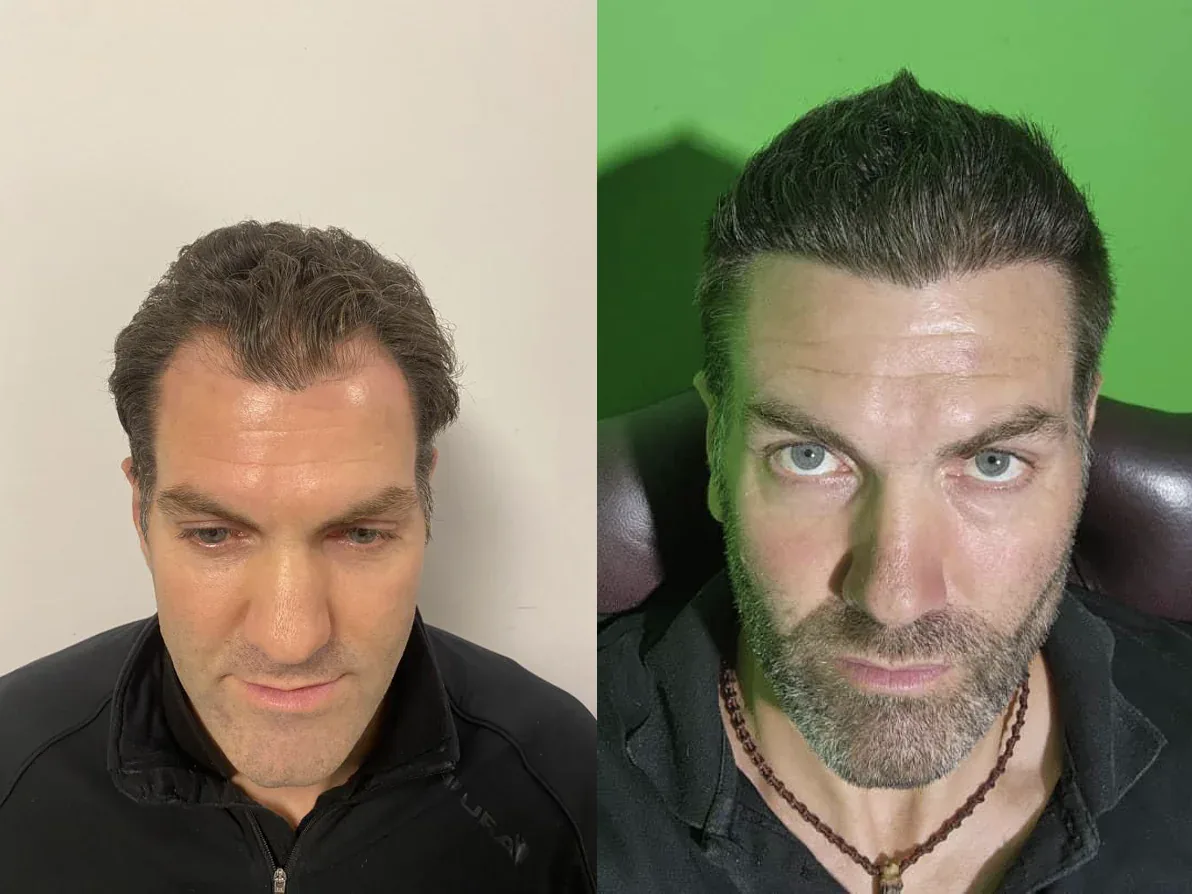
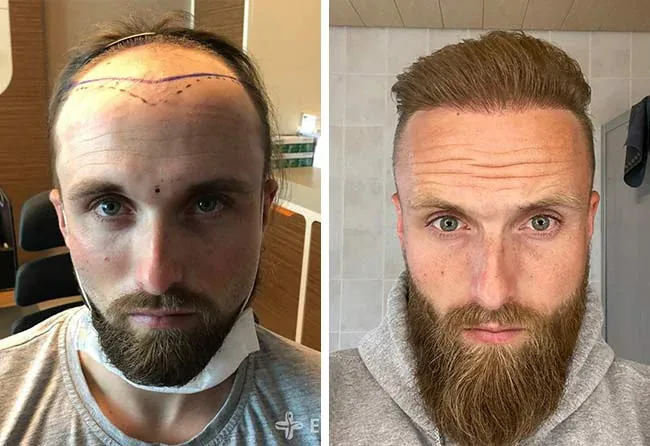
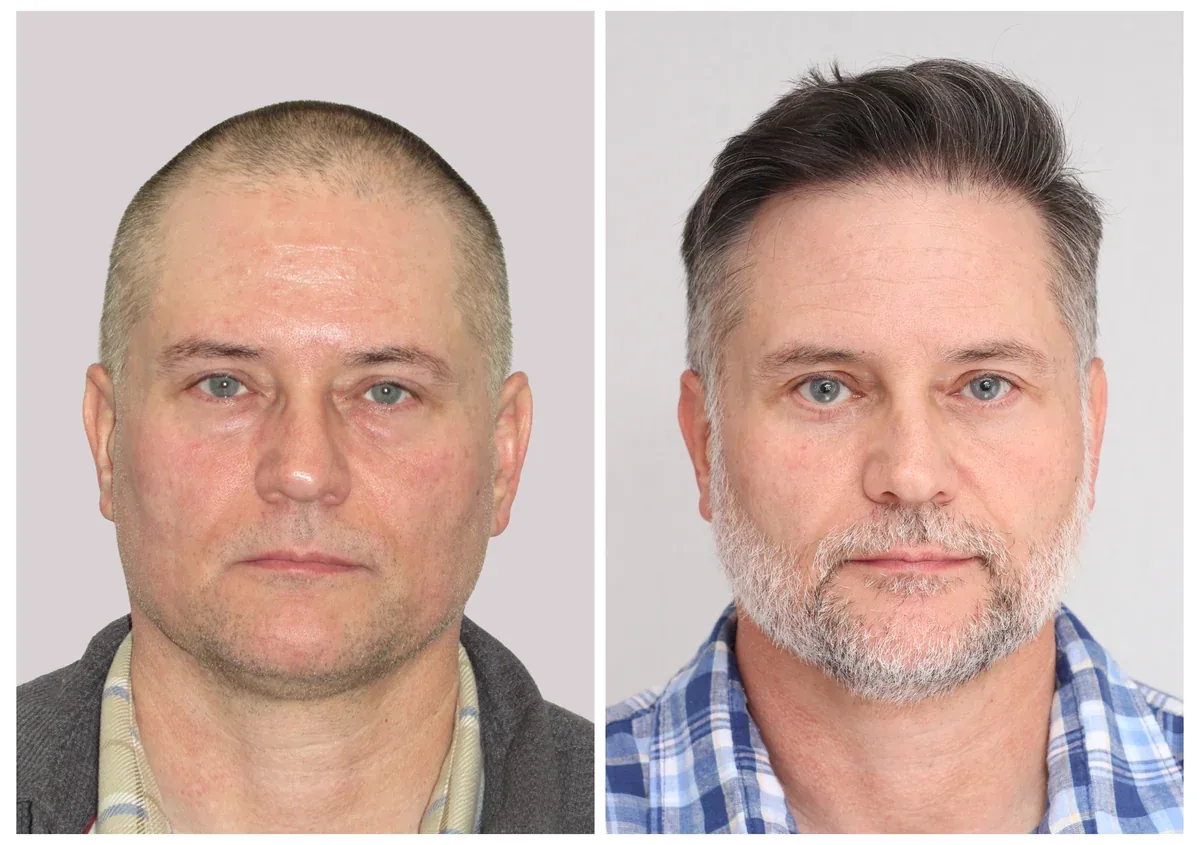
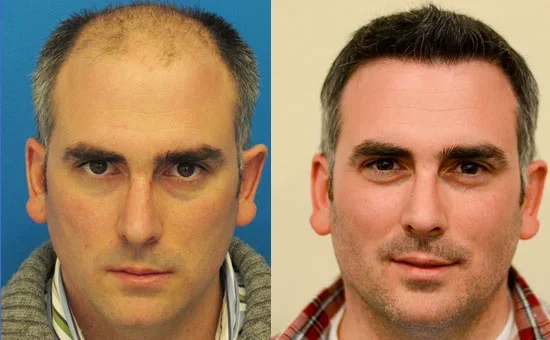
Shock loss in month 1, new growth from month 3-4, clear density around month 6.
80-90% after 10-12 months; the crown can take up to 15 months.
The price depends on the graft count, the method and the clinic. Below is an indicative overview, always get a concrete assessment.
The price is typically set per graft or as a package. More grafts = a higher total price, but a lower price per graft.
DHI is often more expensive per graft than standard FUE because of the higher precision and staffing required.
Choose on documented quality, not on the lowest price, this is your hair for the rest of your life.
| Country | Indicative price |
|---|---|
| Turkey | €2 500-5 500 |
| Denmark | €8 000-15 000 |
| Finland | €7 000-13 000 |
| Sweden | €7 000-14 000 |
| USA | €14 000-25 000 |
| Australia | €9 000-20 000 |
| Canada | €7 000-15 000 |
| Mexico | €6 000-12 000 |
Indicative prices for a complete treatment; they vary with graft count, method and clinic. The price difference is the main reason many people travel, but always choose on documented quality, not on price alone. Some foreign prices are all inclusive (treatment, hotel and transport), while others cover only the procedure itself, so always compare what is included.
We deliberately do not state fixed prices, they vary too much between clinics and countries. Get a concrete, no-obligation assessment for your particular situation.
Send us clear photographs of your hair. We assess your situation against the same fixed criteria we use across this site.
You get an honest read on your options and on what a realistic result looks like, and we point you to clinics that meet the criteria. Free and with no obligation.
A thorough review of the causes of hair loss: androgenetic alopecia, telogen effluvium, alopecia areata, nutrition, hormones, medication and correct diagnosis.
Read more →Evidence-based guide to non-surgical treatment of hair loss: Finasteride, Minoxidil, microneedling, vitamins, LLLT, with dosages and effectiveness scores.
Read more →The most thorough guide to the methods behind a hair transplant: FUE, DHI, FUT and Sapphire, step by step with drawings, pros, cons and which suits you.
Read more →Structured guide to clinic selection: ISHRS, MOH and ISO certification, patient load, permanent staff and more.
Read more →Complete aftercare guide: medical and natural aftercare, the first 10 days day by day, month-by-month growth timeline and lifestyle restrictions.
Read more →Is a hair transplant permanent? On the durability of donor hair, protecting existing hair, future hair loss and maintenance year after year.
Read more →A clear, honest guide to hair transplant candidacy: age and stability, medical conditions, donor hair, scalp health, and when to wait.
Read more →Does hair type or ethnicity affect a hair transplant? Curly, Afro-textured, Asian, fine and coarse hair: transection risk and coverage per graft.
Read more →Transplant procedures for specific areas and patient groups.
Hair transplants for women: when are they relevant? Understand the causes of hair loss in women, and book a free, confidential hair analysis from home.
Read more →A beard transplant with FUE fills in a patchy beard with your own hair, near-permanently. The method, the number of grafts and what the price depends on.
Read more →An eyebrow transplant rebuilds thin, over-plucked or scarred brows with single-hair grafts from your scalp. See the technique, graft numbers, healing and cost.
Read more →All content is editorially prepared and reviewed, from causes to aftercare, with sources and protocols.
Clinics are assessed on weighted, transparent criteria, ISHRS membership (the international hair-restoration surgeon's society), health-authority licensing, patient load and more.
Built for international patients: Danish, English, Swedish, Norwegian, German, Finnish and Arabic.
Talk to an expert on WhatsApp and get a personal assessment with no obligation.
A free hair analysis, assessed against the same criteria you have just read about. You get an honest read on your options and on what a realistic result looks like.
Start nowNo obligation. Your information is assessed confidentially.
There are a huge number of myths about hair transplantation, hair loss, FUE, DHI, Finasteride and prices. Here we separate myth from documented fact, so that you can make an informed choice.
A hair transplant always looks artificial.
A modern FUE hair transplant performed by an experienced surgeon gives a completely natural result, because the hairline is designed with soft irregularities and correct angles.
Hair transplantation is only for men.
Hair transplantation for women is also possible with a stable pattern and an unaffected donor area, but it always requires a thorough assessment first.
The transplanted hair falls out again after a couple of years.
The hair is taken from the donor area at the back of the head, which is resistant to DHT, so the transplanted hair is in principle permanent.
A hair transplant stops all future hair loss.
No, a hair transplant moves hair, but it does not stop hereditary hair loss in your own hair. That is why Finasteride or Minoxidil is often recommended alongside.
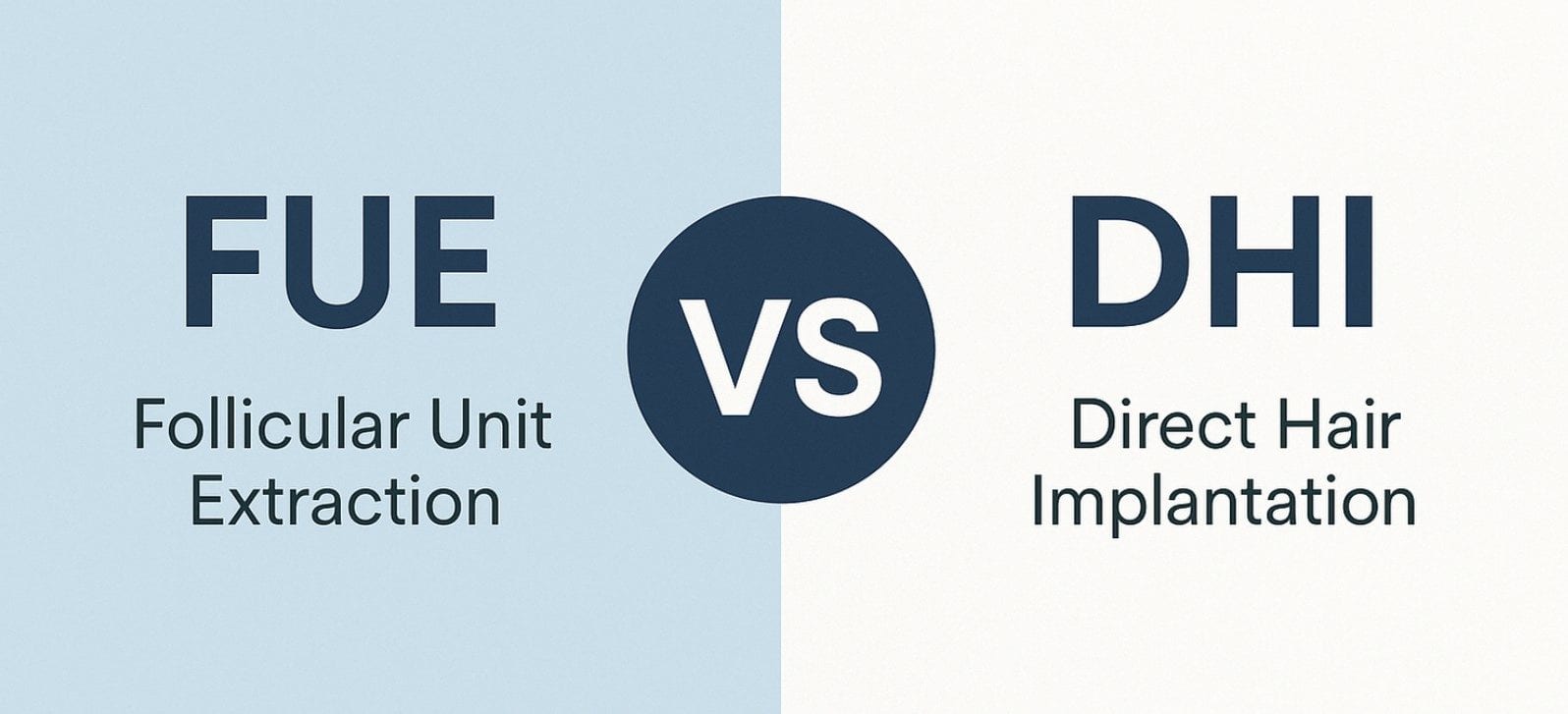
FUE and DHI are two completely different operations.
FUE describes the extraction of grafts, and DHI describes the placement. Most DHI treatments use FUE precisely in order to harvest the hairs.
More grafts always give a better result.
Graft survival and natural placement matter more than the number of grafts. Aggressive harvesting can lower survival and damage the donor area.
A hair transplant hurts a great deal.
The procedure itself takes place under local anaesthesia and is largely painless. Most people experience only mild tenderness for a few days afterwards.
You cannot tell hereditary and temporary hair loss apart.
Hereditary hair loss is gradual and patterned, while temporary hair loss such as telogen effluvium is diffuse and sudden. A specialist can distinguish them with trichoscopy.
Baldness always comes from your mother's father.
Hereditary hair loss is inherited from both sides of the family, not only from the maternal grandfather. Your overall genetic predisposition determines the risk.