Hair growth products and vitamins: what actually works
The market for hair growth products, shampoos and vitamins is enormous. I go through what is documented, what is a waste of money, and how to prioritise.
A market full of promises
Hair growth products are a billion-pound industry: shampoos, serums, supplements, vitamins and devices all promise more hair. The problem is that very few of them are actually documented. Here I go through what works and what you can save your money on.
What actually works
Only two treatments have a strong, well documented effect against hereditary hair loss: Minoxidil, which prolongs the hair's growth phase, and Finasteride, which lowers the hormone DHT. Everything else rests on a markedly weaker basis. Microneedling has reasonable documentation as a supplement, especially combined with Minoxidil, and Ketoconazole shampoo can dampen inflammation. In practice that is the list of what is worth spending money on first.
Vitamins and supplements
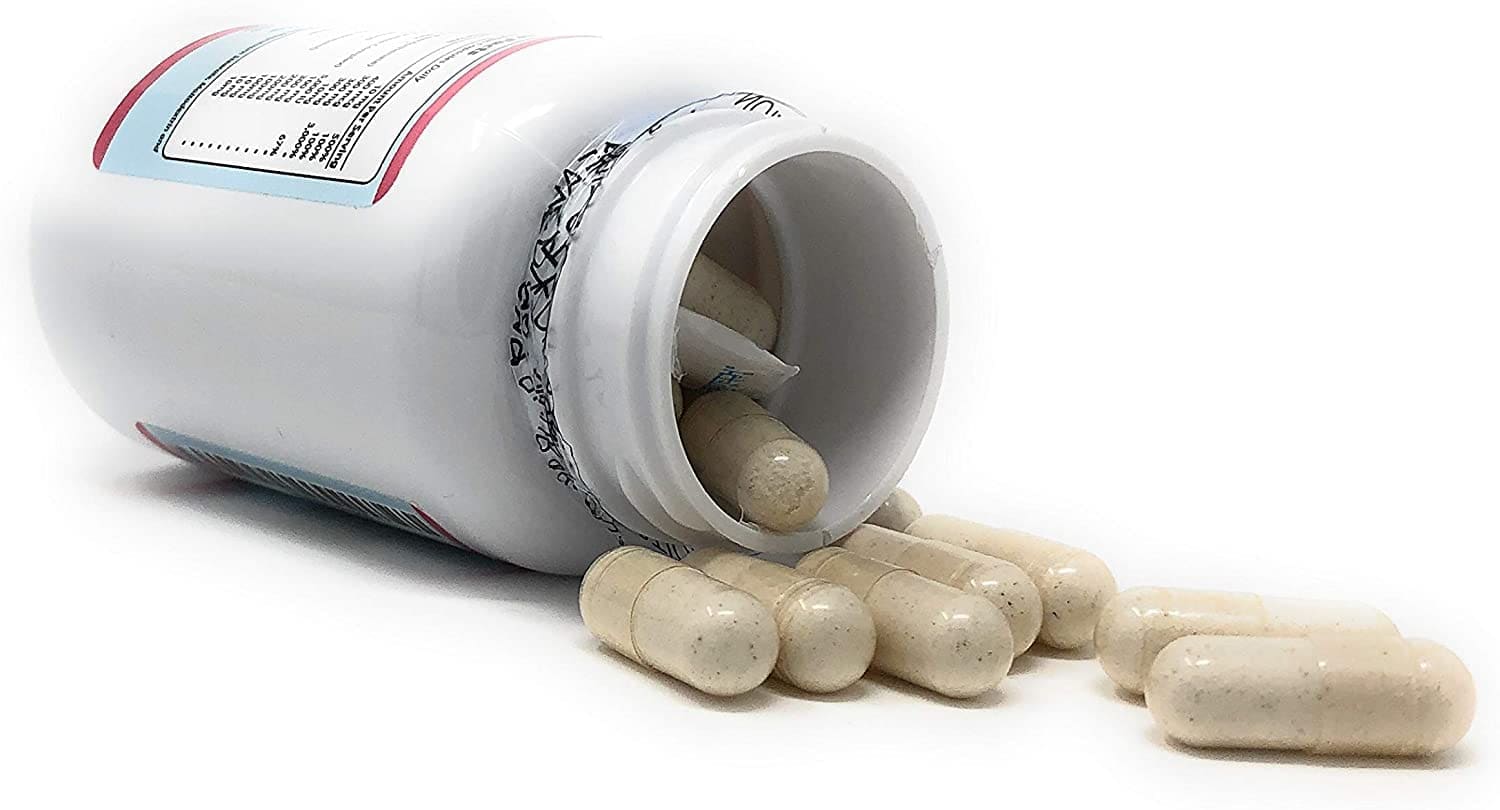
Hair vitamins containing Biotin, collagen and the like only help if you have a genuine deficiency. If you do not, they are largely a waste of money. What is actually worth having checked is ferritin (iron stores), vitamin D and thyroid function, all of which can affect the hair when deficient. Correct what is genuinely lacking, and skip the rest. Large doses of vitamins do not benefit the hair and can in certain cases do harm.
Get a free hair analysis
- 1Start
- 2Info
- 3Done
Shampoos and serums
No shampoo can stop hereditary hair loss, because the contact time is too short and the cause is hormonal. Ketoconazole shampoo is the exception: it has a mild anti-androgenic and anti-inflammatory effect, and it treats dandruff at the same time. Caffeine shampoo rests on laboratory experiments, but the short contact time makes the effect doubtful. Serums and oils such as rosemary oil have promising but limited documentation and can be used as gentle supplements with moderate expectations.
How to prioritise your money
Build from the bottom: start with the well documented foundation: Minoxidil and possibly Finasteride under a doctor's guidance. Then add cheap supplements such as microneedling and Ketoconazole shampoo. Only at the end consider expensive additions such as PRP. The classic mistake is to spend a fortune on expensive serums and courses while skipping what works. Get the order right and you will get far more hair for your money.
Conclusion
Most hair growth products promise more than they can deliver. Only Minoxidil and Finasteride have strong documentation against hereditary hair loss, supplemented by microneedling and Ketoconazole. Vitamins only help with a genuine deficiency, so have blood tests taken rather than buying blind. Prioritise what is documented first, and regard the rest as optional additions with moderate expectations. This article is for general information and does not replace an individual medical assessment.
What works, and in what order to try it, is set out in our guide to non-surgical treatment.
© IdealofMeD Research Academy. Republished with permission.
Get a no-obligation assessment against fixed criteria, directly on WhatsApp.