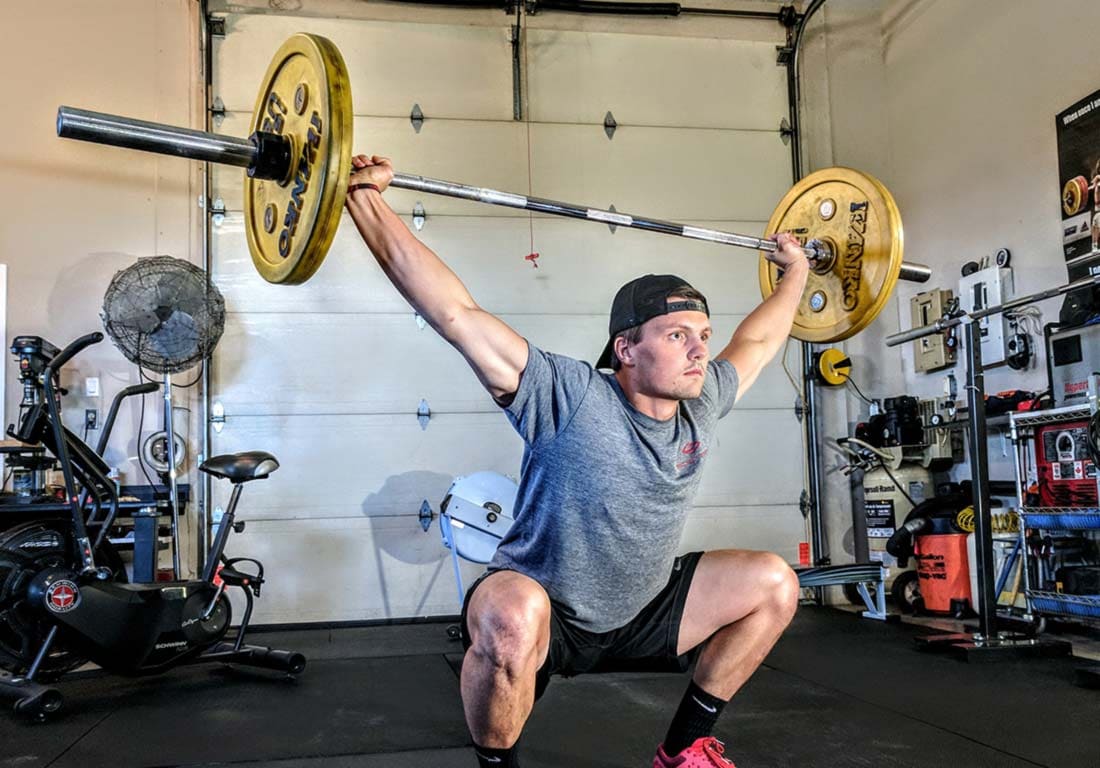
When can I train and swim again after a hair transplant?
Sweat, knocks or chlorinated water too early can damage the new grafts. Here is a realistic timeline.
Why early activity is a risk
The newly placed grafts sit loosely during the first weeks and depend on being left undisturbed and on a good blood supply to anchor themselves. Exercise introduces three dangers: sweat (which can irritate and carries an infection risk), raised blood pressure (which can cause bleeding and swelling) and physical contact or knocks (which can dislodge grafts directly).
So a gradual, patient return is not excessive caution; it protects the result you have paid for.
The timeline for training
- Week 1: avoid all strenuous activity; only gentle walking
- Week 2: light exercise, brisk walking, calm activities without sweating or bent-over positions
- Week 3-4: a gradual build-up to more intense training, once the clinic approves
- After about 4 weeks: normally most activities, including heavy strength training
Always listen to your clinic's specific instructions, as they can differ according to method and course of treatment.
A special note on strength training and contact sport
Heavy strength training requires extra caution: it involves the Valsalva manoeuvre (straining that raises blood pressure and pressure in the head), which can affect both the donor and the recipient area. Wait until the clinic approves, typically from week 3-4.
Contact sport (football, martial arts, basketball) and anything with a risk of a blow to the head should wait longer, often 4-6 weeks, since a single knock can damage newly anchored grafts.
Get a free hair analysis
- 1Start
- 2Info
- 3Done
Swimming requires extra patience
Swimming is more problematic than ordinary exercise because of what is in the water:
- Pool (chlorine): typically wait at least 3-4 weeks, as chlorine irritates the healing area
- Sea bathing (salt and bacteria): wait longer still, preferably 4-6 weeks, because of the infection risk
- Sauna and steam room: avoid for several weeks, as heat, sweat and dilated vessels are unhelpful early on
Sun protection and common sense
If you go to the beach or the pool, remember that the healing area also has to be protected from the sun: the new skin is delicate, and sunburn can damage grafts and cause pigment changes. Wear a loose hat until the clinic approves direct sun.
The general rule is simple: when in doubt, wait a little longer. See swimming and sport in the context of the rest of aftercare.
Listen to your body and the clinic
The timelines here are indicative, and your real pace depends on the method, the course of treatment and your healing. The basic rule is simple: when in doubt, wait a little longer. An extra week of patience costs nothing, while a sweaty training session too early or a single knock to the head can cost you grafts you cannot get back.
Resume activity gradually rather than going straight to full intensity, and stop if you experience pain, bleeding or heavy swelling. Always follow your clinic's specific instructions, and see swimming and sport in the context of the rest of aftercare.
A practical rule of thumb: plan your procedure so that you have at least a quiet week afterwards, without demanding physical activity. That preparation makes it far easier to keep to the break than trying to squeeze training in too early.
© IdealofMeD Research Academy. Republished with permission.
Get a no-obligation assessment against fixed criteria, directly on WhatsApp.