
When you can return to the gym
Light activity can usually resume within days, but real training waits.
Light activity can usually resume within days, but real training waits. The concerns are sweat on healing skin, raised blood pressure in the first week, and impact or friction on grafts that are not yet anchored. Most clinics stage a return over two to four weeks.
What risks does the post-surgery gym restriction actually protect against?
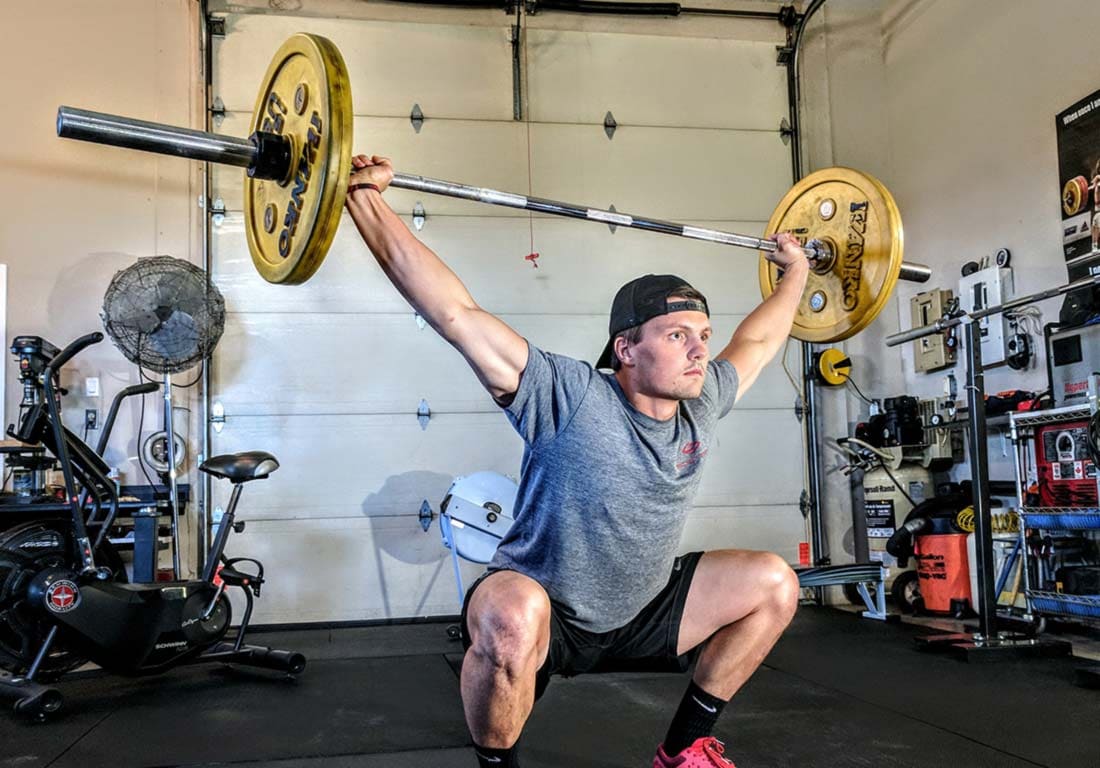
The gym restriction protects against four things: sweat on a healing recipient area, which raises folliculitis risk; raised blood pressure, which can increase swelling and oozing in the first days; impact and contact with equipment, towels or other people; and straining, which matters most after strip surgery where the closure is under tension.
- Sweat on a healing recipient area, which raises folliculitis risk
- Raised blood pressure, which in the first days can increase swelling and oozing
- Impact and contact, including equipment, towels and other people
- Straining, which matters particularly after strip surgery where the closure is under tension
What does a typical staged return to the gym look like?
Days one to seven call for walking only, week two allows light cardio that avoids heavy sweating, and weeks three to four bring most cardio and light resistance work. Normal training including heavy lifting resumes from around week four on clinic advice, though strip patients wait longer because closure tension can stretch the scar.
- Days 1 to 7: walking only.
- Week 2: light cardio that does not provoke heavy sweating.
- Weeks 3 to 4: most cardio, and light resistance work.
- From around week 4: normal training including heavy lifting, on your clinic's advice.
Strip patients are usually advised to wait longer before heavy lifting, because closure tension is a factor in scar stretching.
What gym-specific hazards should you watch for while healing?
Gym-specific hazards include pulling t-shirts over the head, which front-fastening tops avoid; sweat running into the recipient area, best managed with a clean towel dabbed rather than wiped; shared equipment and mats; sauna and steam rooms, which return later than the gym floor; and swimming, which raises its own separate concerns.
- Pulling t-shirts over the head; wear front-fastening tops for the first weeks
- Sweat running into the recipient area; a clean towel dabbed, never wiped
- Shared equipment and mats
- Sauna and steam rooms, which come back later than the gym floor
- Swimming, which is a separate question again
What signs mean you should scale back gym activity while healing?
Redness that flares after exercise, new spots, or discomfort in the donor area are all signals to scale back. Nothing is gained by resuming training a week early, and folliculitis in the recipient area is a genuinely unpleasant way to find that out.
Sources
- Bernstein RM, Rassman WR. Graft Anchoring in Hair Transplantation. Dermatologic Surgery, 2006;32(2):198-204. pubmed.ncbi.nlm.nih.gov/16442039
This article summarises published research and standard clinical practice. It is general educational information, not medical advice, and it does not replace the instructions your own surgical team gives you. Where their guidance differs from anything here, follow theirs.
Get a no-obligation assessment against fixed criteria, directly on WhatsApp.