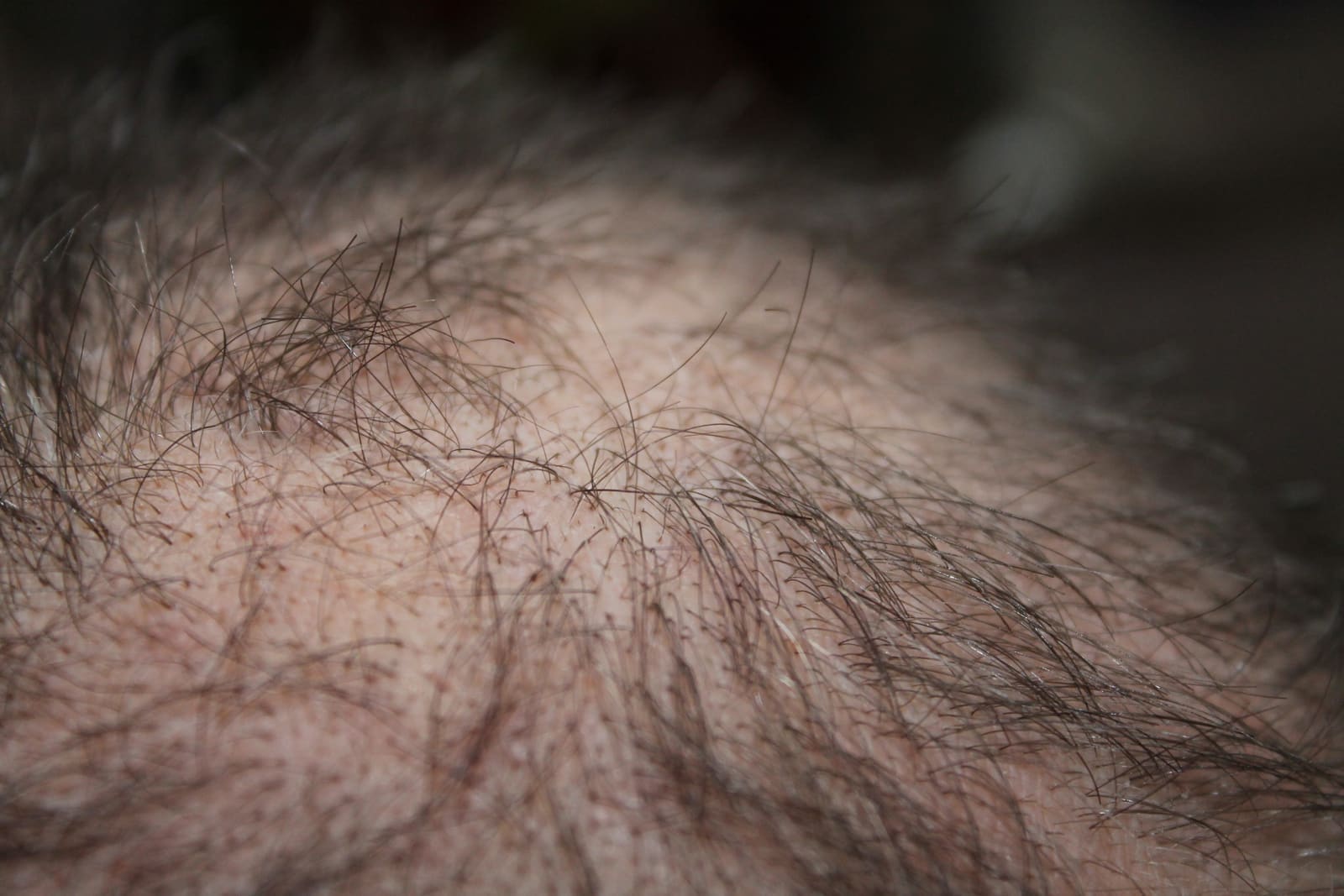
COVID-19 and hair loss: why many people experienced thinning after infection
Many people experienced heavy hair loss after COVID-19. I explain the mechanism, why it is almost always temporary, and when to seek help.
A widespread phenomenon
During and after the COVID-19 pandemic many people experienced marked hair loss in the months after their infection, often so heavy that it caused considerable worry. The phenomenon is real and well known, and fortunately it is temporary in the great majority of cases.
The mechanism: telogen effluvium
Hair loss after COVID-19 is a classic example of telogen effluvium, a condition in which a larger proportion of the follicles are pushed all at once from the growth phase into the resting phase. It typically happens as a reaction to a physical strain such as fever, serious infection or stress. Roughly two to three months after the strain the affected hairs start to fall out at the same time, which explains the sudden, diffuse loss.
Why after COVID?
COVID-19 combines several of the known triggers of telogen effluvium: high fever, a powerful infection and considerable physical and mental stress. It is therefore not surprising that so many people experienced the loss. The hair itself is not diseased; the loss is a reaction to the strain the body has been through.
The good news: it is temporary
Telogen effluvium, including after COVID-19, is almost always temporary. Once the strain has passed, the follicles resume normal operation, and the hair typically grows back of its own accord over six to twelve months. Active treatment is usually unnecessary, and a hair transplant is neither necessary nor relevant, since the loss is not permanent.
Get a free hair analysis
- 1Start
- 2Info
- 3Done
What can be done?
The most important thing is patience. You can support the hair by ensuring good nutrition and correcting any deficiencies such as iron or vitamin D, which can prolong an effluvium. Avoid panicking and buying expensive 'cures'; the loss usually stops of its own accord. Mild, gentle hair care during the period is sufficient.
When to seek help
Although COVID-related hair loss is usually temporary, you should see a doctor if the loss continues beyond about a year, if it is very heavy, or if you see bald patches or other unusual signs. The aim is to rule out other causes, or an underlying condition that needs treating.
Conclusion
Hair loss after COVID-19 is a widespread example of telogen effluvium, triggered by fever, infection and stress, and it typically appears two to three months after the infection. It is almost always temporary and grows back of its own accord over six to twelve months, with no need for surgery. Be patient, support it with good nutrition, and see a doctor if the loss is persistent or unusual. This article is for general information and does not replace an individual medical assessment.
Temporary shedding after illness is one of several patterns described under causes of hair loss.
© IdealofMeD Research Academy. Republished with permission.
Get a no-obligation assessment against fixed criteria, directly on WhatsApp.