Diet and hair health: what actually helps?
No diet can cure hereditary hair loss, but deficiencies can make it worse. How to feed your hair well.
The building blocks of healthy hair
Hair is primarily protein (keratin), so sufficient protein in the diet is the very foundation, and with too little the body prioritises vital functions over hair growth. Beyond that, iron (ferritin), vitamin D and zinc are the nutrients whose deficiency is most often linked to increased hair loss.
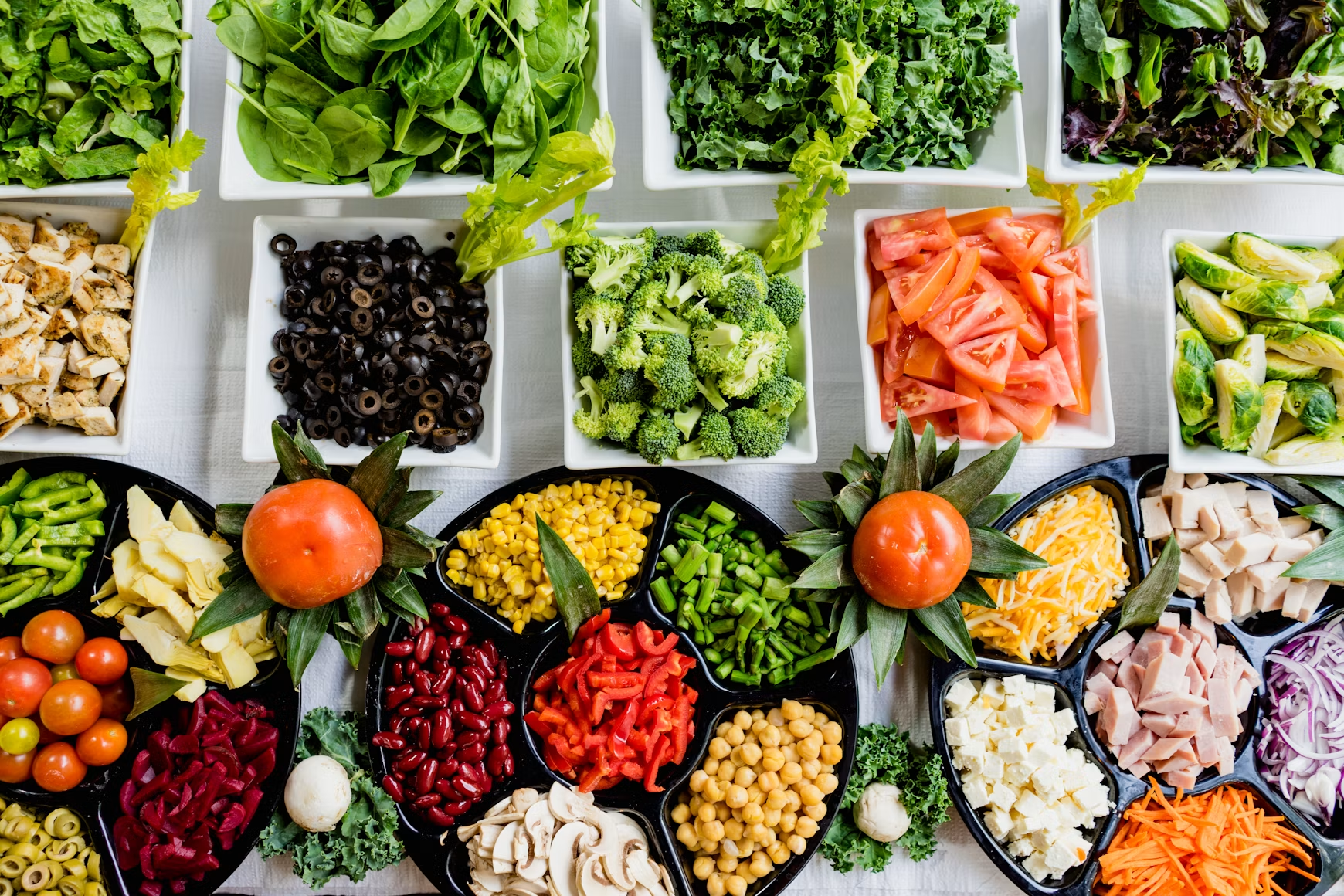
A varied diet with meat or fish, eggs, pulses, vegetables and wholegrains usually covers the requirement for most people. Diet is therefore mostly about avoiding deficiencies, not about "boosting" the hair beyond the normal.
The nutrients that matter most
- Protein: meat, fish, eggs, dairy, pulses; the raw material of hair
- Iron: red meat, offal, green leafy vegetables, lentils; most important for women and vegetarians
- Vitamin D: oily fish, eggs, sunlight; deficiency is widespread in the Nordic countries in winter
- Zinc: shellfish, meat, seeds; necessary for tissue repair
- Omega-3: oily fish; supports a healthy scalp
Dietary patterns that harm the hair
Some eating habits can directly trigger hair loss. Severe diets and rapid weight loss are a classic trigger for telogen effluvium, a sudden, diffuse loss that appears 2-3 months later. A very one-sided diet, strict fasting or undocumented "detox" regimes can have the same effect.
Ironically, certain supplements in overdose can also do harm: too much vitamin A or selenium is linked to hair loss. More is not better; balance is what counts.
Get a free hair analysis
- 1Start
- 2Info
- 3Done
The clear limit of diet
No diet can stop hereditary, DHT-driven hair loss. If your loss follows the classic Norwood pattern (temples, crown), the cause is genetic sensitivity to DHT, not something you can eat your way out of.
Diet can address deficiency-related loss and support general hair health, but hereditary loss requires medical treatment such as Finasteride and Minoxidil.
Measure before you change everything
Before you overhaul your diet or buy expensive supplements, have your ferritin, vitamin D and thyroid function measured. That tells you whether there is a deficiency to correct at all. Often the answer is no, and then the solution lies somewhere other than the kitchen.
If you are in doubt about what is driving your hair loss, start with the overview of the different types of hair loss.
Myths about "hair superfoods"
The internet is awash with lists of foods that "make hair grow". In reality, no single food, whether avocado, coconut oil or special berries, boosts hair growth beyond the normal if you do not already have a deficiency. The body cannot send "extra" nutrition to the follicles when the need is already met.
What works is dull but effective: a varied diet without deficiencies and sufficient protein. Superfoods sell books and supplements; balance grows hair. If you want to understand when diet actually plays a role, see the overview of types of hair loss.
© IdealofMeD Research Academy. Republished with permission.
Get a no-obligation assessment against fixed criteria, directly on WhatsApp.