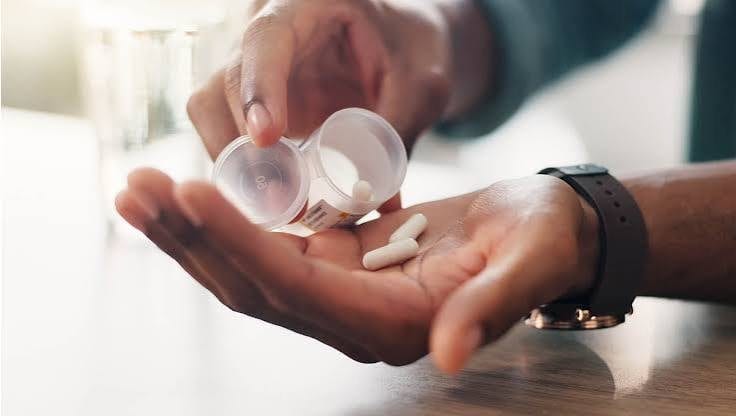
Anti-inflammatory medication after surgery
Non-steroidal anti-inflammatories relieve pain and swelling but also affect platelet function, which is why many clinics prefer paracetamol in the first days after surgery.
Non-steroidal anti-inflammatories relieve pain and swelling but also affect platelet function, which is why many clinics prefer paracetamol in the first days after surgery. Take what your clinic specifies rather than reaching for what you have at home.
Why do NSAIDs increase bleeding risk after a hair transplant?
Ibuprofen, naproxen, aspirin and related NSAIDs inhibit platelet aggregation, which after a procedure creating thousands of small wounds can mean more oozing and a higher chance of bleeding-related problems. Paracetamol works differently and does not have this effect, which is why it is commonly the first choice immediately after surgery.
When do NSAIDs become appropriate again after a hair transplant?
Many clinics allow NSAIDs again after the initial post-operative period, once bleeding risk has passed, and they can be useful for easing donor-area soreness. The exact timing should come from your clinic rather than a fixed rule, since practice varies and also depends on what other medication you are taking.
What should you do if you take NSAIDs routinely for another condition?
Anyone on regular anti-inflammatories for another condition should raise it at consultation rather than deciding alone, including low-dose aspirin taken for cardiovascular reasons, a prescribed treatment that must not be stopped on your own initiative. The decision to pause any such medication belongs to the prescribing doctor, in discussion with your surgeon.
What practical rules should you follow when taking medication after a hair transplant?
Take medication exactly as your clinic specified, at the intervals given, without adding over-the-counter anti-inflammatories or combining products that share the same active ingredient. Disclose every regular medication and supplement to your clinic, and report any pain that increases rather than eases after the first few days.
- Take what your clinic specified, at the intervals given
- Do not add over-the-counter anti-inflammatories without asking
- Do not combine multiple products containing the same active ingredient
- Tell your clinic about every regular medication and supplement
- Report pain that increases rather than eases after the first days
What you take in the first days is part of the wider aftercare routine.
Sources
- Bernstein RM, Rassman WR. Graft Anchoring in Hair Transplantation. Dermatologic Surgery, 2006;32(2):198-204. pubmed.ncbi.nlm.nih.gov/16442039
This article summarises published research. It is general educational information, not medical advice, and it is not a recommendation to start, stop or change any medication. Prescription drugs carry contraindications and interactions; discuss them with a doctor who knows your medical history.
Get a no-obligation assessment against fixed criteria, directly on WhatsApp.