Hyperbaric oxygen therapy after hair transplant: a prospective cohort study of 220 FUE patients
IdealofMeD Research Academy followed 220 hair transplant patients. Here is what hyperbaric oxygen therapy actually changed.
Does a hyperbaric oxygen chamber really improve hair transplant recovery, or is it simply an expensive add-on? In 220 FUE patients, HBOT was consistently associated with faster perceived healing, less pain, better sleep and quicker fading of redness, in both patient surveys and blinded medical review.
What question did this hair transplant HBOT study aim to answer?
This cohort study asked whether hyperbaric oxygen therapy (HBOT) benefits recovery after a hair transplant, since clinics differ: some recommend it as standard aftercare, others call it optional. IdealofMeD Research Academy followed 220 male FUE patients from April 2025 to June 2026, using patient surveys and blinded, independent medical review of photos.
When patients prepare for a hair transplant, one of the most common questions after choosing a clinic is surprisingly simple: is hyperbaric oxygen therapy actually worth it?
Some clinics strongly recommend it as part of their hair transplant aftercare, claiming it accelerates healing and reduces discomfort. Others consider it an optional treatment with limited clinical evidence. Instead of relying on assumptions, IdealofMeD Research Academy set out to examine the question directly.
Between April 2025 and June 2026, the research team followed 220 male FUE hair transplant patients during their early recovery period. Rather than looking only at how patients felt, researchers also asked an independent medical team, blinded to each patient's treatment group, to evaluate standardised postoperative photographs. The answer was more interesting than expected.
| Participants | 220 male patients |
|---|---|
| Procedure | FUE hair transplant |
| Grafts | 3 200 to 4 500 |
| Study period | April 2025 to June 2026 |
| Researchers | IdealofMeD Research Academy |
| HBOT protocol | 2.4 ATA hard-shell chamber, 90 minutes |
| Sessions | 0, 1 or 2 |
| Assessment | Patient survey and blinded medical review |
Why might hyperbaric oxygen therapy support healing after a hair transplant?
Hyperbaric oxygen therapy raises the oxygen dissolved in blood plasma by exposing patients to 100% oxygen under pressure — 2.4 ATA for 90 minutes in this study — which may support angiogenesis, reduce inflammation, and speed healing at the thousands of recipient sites created during FUE surgery. Despite this plausible mechanism, little hair-transplant-specific evidence existed beforehand.
Hyperbaric oxygen therapy (HBOT) has been used in medicine for decades. It is commonly prescribed to support wound healing, improve tissue oxygenation, and assist recovery following certain surgical procedures. Because hair transplantation is also a surgical procedure, many clinics have begun incorporating HBOT into their postoperative protocols.
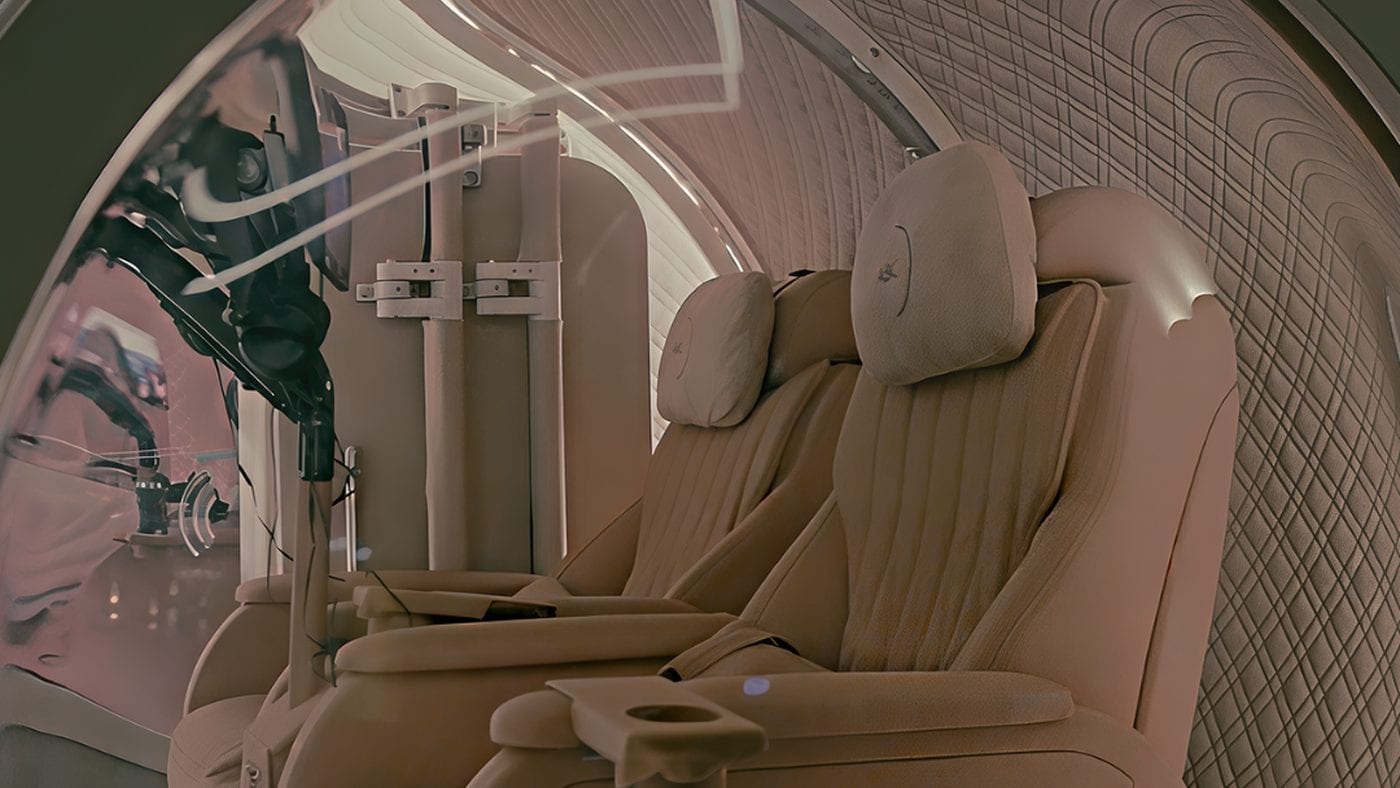
The theory is straightforward. Following a follicular unit extraction (FUE) procedure, thousands of tiny recipient sites begin healing simultaneously while newly transplanted grafts establish a blood supply. HBOT increases the amount of oxygen dissolved in blood plasma by exposing patients to 100% oxygen at elevated atmospheric pressure. In this study, patients received treatment in a hard-shell hyperbaric chamber at 2.4 ATA, with each session lasting 90 minutes.
Researchers have proposed that this increased oxygen availability may support angiogenesis (the formation of new blood vessels), reduce postoperative inflammation, improve tissue oxygenation, accelerate wound healing, and improve overall patient comfort during recovery. But despite these theoretical advantages, surprisingly little published evidence has specifically examined HBOT in hair transplant recovery. That was the gap this study aimed to explore.
How were patients selected and divided into HBOT groups?
This observational cohort study followed 220 Northern European men who had FUE hair transplants from the same surgeon, using identical technique, medication, and aftercare. After excluding patients with conditions impairing healing, remaining patients chose their own HBOT group — none (55), one session (97), two sessions (68) — since assignment was not randomised.
Rather than recruiting volunteers from the general public, the research team followed 220 Northern European men who underwent FUE hair transplantation performed by the same surgeon using identical surgical techniques, medications, and postoperative aftercare protocols.
To reduce variables that could influence healing, patients with chronic medical conditions known to impair recovery (including diabetes, hypertension requiring treatment, HIV infection, and other significant systemic illnesses) were excluded. Patients then chose whether they wished to receive postoperative hyperbaric oxygen therapy. This created three study groups.
| Treatment | Patients |
|---|---|
| No HBOT | 55 |
| One session | 97 |
| Two sessions | 68 |
Because patients selected their own treatment, this was an observational cohort study rather than a randomised clinical trial. That means the findings demonstrate an association between HBOT and recovery, rather than proving that HBOT alone caused the differences observed.
What did the study measure to assess recovery?
Researchers used two independent methods. On day 11, patients rated their own overall healing, pain and soreness, sleep quality, and scalp redness on a 10-point scale. Separately, an independent medical team, blinded to treatment group and unaffiliated with the study, scored day 10 postoperative photographs for redness, crusting, swelling, edema, and overall healing quality.
To evaluate whether hyperbaric oxygen therapy influenced recovery after an FUE hair transplant, researchers used two independent assessment methods.
Patient experience
On day 11 after surgery, every participant completed a standardised questionnaire rating four aspects of their recovery: overall healing, pain and soreness, sleep quality, and resolution of scalp redness. Each category was scored on a 10-point scale, with higher scores indicating a better recovery experience.
Independent, blinded medical review
Patient perception tells only part of the story. People naturally experience pain, swelling, and healing differently. To determine whether these perceptions reflected actual clinical improvement, an independent medical review team with no professional affiliation to the study authors evaluated standardised day 10 postoperative photographs. Importantly, the reviewers did not know which patients had received HBOT. This blinded assessment helped minimise bias. The reviewers assessed each case using standardised clinical criteria, including redness, crusting, swelling, edema, and overall healing quality.
How did patient-reported recovery scores differ across HBOT groups?
Across all 220 patients, every recovery category favoured HBOT. Two-session patients rated overall recovery 8.0/10 versus 5.7/10 for no HBOT — about 40% higher. Pain scores rose from 4.3 to 8.8, and redness resolution from 3.8 to 5.7. Sleep quality showed the largest gap, jumping from 4.4 to 9.3 out of 10.
After analysing data from all 220 participants, one trend became immediately apparent. Patients who underwent hyperbaric oxygen therapy consistently reported a smoother recovery than those who did not. Although the magnitude of improvement varied across different recovery measures, every category favoured the HBOT groups.
Recovery felt faster
| Treatment group | Average score |
|---|---|
| No HBOT | 5.7 / 10 |
| One HBOT session | 7.3 / 10 |
| Two HBOT sessions | 8.0 / 10 |
Patients receiving two HBOT sessions rated their recovery approximately 40% higher than patients who did not receive HBOT. While patient-reported scores are subjective by nature, the consistency across the study suggests that many patients genuinely felt they were recovering more comfortably during the first postoperative days.
Pain was one of the biggest differences
| Treatment group | Average score |
|---|---|
| No HBOT | 4.3 / 10 |
| One HBOT session | 7.8 / 10 |
| Two HBOT sessions | 8.8 / 10 |
The difference suggests that patients who underwent HBOT experienced considerably less soreness during the early recovery period. One possible explanation is HBOT's proposed ability to reduce tissue inflammation while improving oxygen delivery to healing scalp tissue. Although this study was not designed to investigate biological mechanisms directly, the findings are consistent with previous research on HBOT's role in postoperative wound healing.
The biggest surprise was sleep
| Treatment group | Average score |
|---|---|
| No HBOT | 4.4 / 10 |
| One HBOT session | 8.6 / 10 |
| Two HBOT sessions | 9.3 / 10 |
If there was one result that stood out the most, it was sleep quality. Many patients assume the hardest part of recovery is swelling or the first hair wash. Instead, many report that simply finding a comfortable sleeping position becomes one of the biggest challenges during the first week. This was the largest difference observed anywhere in the study. Better rest may itself contribute to a smoother recovery by supporting the body's natural healing processes.
Redness improved more quickly
| Treatment group | Average score |
|---|---|
| No HBOT | 3.8 / 10 |
| One HBOT session | 5.2 / 10 |
| Two HBOT sessions | 5.7 / 10 |
Temporary redness is a normal part of healing after an FUE hair transplant, and for patients returning to work soon after surgery it is one of the biggest cosmetic concerns. Although redness gradually improves in nearly all patients, those receiving HBOT generally felt that this process occurred more rapidly.
Did independent, blinded medical review confirm the patient-reported improvements?
Yes. An independent medical team, uninvolved in the surgeries and blinded to which patients received HBOT, scored standardised day 10 photographs at 5.3/10 for no HBOT, 8.6/10 for one session, and 9.7/10 for two sessions. These blinded ratings closely mirrored the patient surveys, strengthening confidence that the improvements were not simply due to perception.
Patient surveys are valuable, but they have limitations. People naturally perceive pain, recovery, and comfort differently. That is why the study did not rely solely on questionnaires. Instead, researchers asked an independent medical review team, who had no involvement in the surgeries and no knowledge of which treatment each patient received, to evaluate standardised photographs taken on day 10. The reviewers scored each patient based on visible healing alone.
| Treatment group | Average score |
|---|---|
| No HBOT | 5.3 / 10 |
| One HBOT session | 8.6 / 10 |
| Two HBOT sessions | 9.7 / 10 |
Their findings closely mirrored the patient surveys. This consistency between patient experiences and independent clinical observations strengthens confidence that the differences observed were not simply due to perception.
Is two sessions better than one?
Two sessions produced slightly higher scores than one session across nearly every category, but statistical analysis found no significant difference between the two HBOT groups — both performed significantly better than patients who received no HBOT. This suggests a single postoperative hyperbaric oxygen session may deliver much of the observed improvement in early healing and comfort.
At first glance, two HBOT sessions appear to produce slightly higher scores across nearly every category. However, when the data were analysed statistically, an interesting finding emerged. While both HBOT groups performed significantly better than patients who received no HBOT, the difference between one and two sessions was not statistically significant.
In other words, the study found strong evidence that receiving hyperbaric oxygen therapy was associated with improved early recovery, but it could not confidently conclude that a second session provided a measurable additional benefit over the first. For patients considering HBOT, this may be one of the most practical findings: even a single postoperative session could provide much of the observed improvement in early healing and comfort.
What do these findings mean for the role of HBOT in hair transplant recovery?
Patients who received HBOT consistently reported faster perceived healing, less pain, better sleep, and quicker redness reduction, reinforced by independent medical reviewers. Because patients chose their HBOT group rather than being randomly assigned, the study shows an association, not proof that HBOT caused the differences, though the consistency between subjective and objective assessments is encouraging.
These findings support the growing belief that hyperbaric oxygen therapy may be a valuable adjunct to standard hair transplant aftercare. Patients who underwent HBOT consistently reported faster perceived healing, less pain and soreness, better sleep quality, and quicker reduction in redness. These observations were reinforced by independent medical reviewers who also identified superior early healing among patients who received HBOT.
However, it is important to interpret these findings appropriately. Because patients chose whether to receive HBOT rather than being randomly assigned, this study demonstrates an association, not proof of cause and effect. Factors such as personal preferences or other unmeasured characteristics could also have influenced recovery. Even so, the consistency between subjective and objective assessments makes the findings encouraging and provides a strong foundation for future randomised clinical research. You can read more about how HBOT fits into recovery on our supportive treatments page.
Does this study show that HBOT is worth it after a hair transplant?
In this study of 220 FUE hair transplant patients, HBOT was consistently associated with improved comfort and better early healing, reflected in both patient-reported experiences and blinded medical evaluations. Whether HBOT improves long-term graft survival and final hair growth remains unknown, but the evidence suggests it may meaningfully improve the early stages of recovery.
If you are considering a hair transplant, hyperbaric oxygen therapy may be worth discussing with your surgeon, especially if your goal is a more comfortable recovery during the first two weeks after surgery. In this study of 220 FUE hair transplant patients, HBOT was consistently associated with improved patient comfort and better early healing, both in patient-reported experiences and in blinded medical evaluations.
While more research is needed to determine whether HBOT also improves long-term graft survival and final hair growth, the evidence from this study suggests that it may play a meaningful role in enhancing the early stages of recovery.
Get a no-obligation assessment against fixed criteria, directly on WhatsApp.