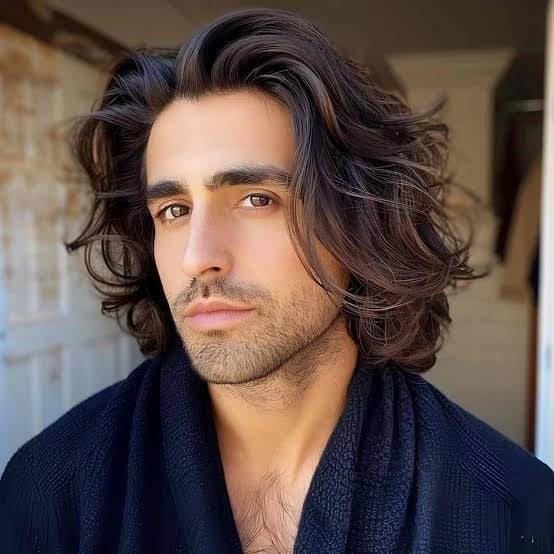
Long hair FUE and donor concealment
Unshaven and partial-shave techniques let patients avoid a visibly shaved donor area, at the cost of slower extraction and longer time out of the body for grafts.
Unshaven and partial-shave techniques let patients avoid a visibly shaved donor area, at the cost of slower extraction and longer time out of the body for grafts. It is a concealment advantage, not a donor-preservation advantage.
What is long hair or no-shave FUE?
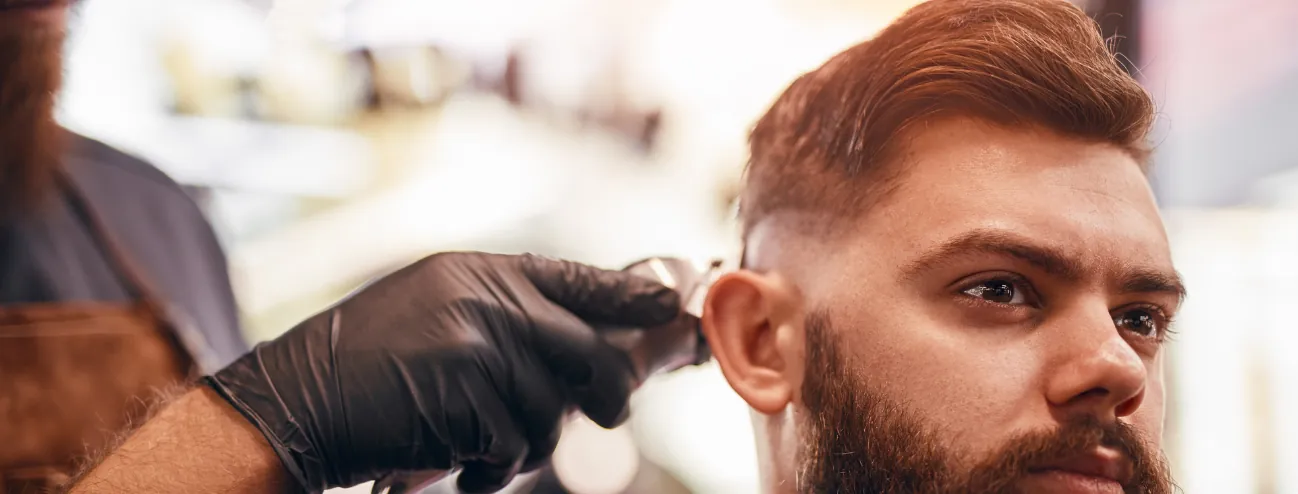
Long hair or no-shave FUE extracts follicular units without fully clipping the donor area, unlike standard FUE which leaves a visibly shaved band for weeks, so surrounding hair immediately covers extraction sites. A 2026 case series using a flared ring punch reported a mean 3% transection rate, in a small series, not a comparative trial.
In standard FUE, the donor area is clipped short so follicular units are visible and accessible. That leaves a visibly shaved band across the back and sides for several weeks.
Long hair or no-shave FUE extracts units from within unshaved hair, sometimes with small shaved windows hidden beneath longer hair (partial shave), sometimes without clipping at all. The surrounding long hair immediately covers the extraction sites.
A 2026 case series described a modified no-shave technique using a flared ring punch, reporting a mean transection rate of 3%. That is a small case series rather than a comparative trial, so it describes what one technique achieved in one reported setting.
Does no-shave FUE preserve donor hair supply?
No — no-shave FUE conceals the donor area from day one but removes the same number of follicular units, spends the donor reserve identically, and leaves the same dot scars, just hidden under longer hair. Extraction proportion, distribution and lifetime reserve work exactly as in a shaved session; patients are buying discretion, not donor protection.
This distinction gets blurred in marketing, so it is worth stating directly.
- It conceals. The donor area is covered from day one, so there is no visibly shaved band. For patients who cannot take visible downtime, this is the whole point.
- It does not preserve donor supply. The same number of follicular units is removed. The reserve is spent identically.
- It does not reduce scarring. Each extraction leaves the same dot scar. They are hidden by the surrounding long hair, which is a different thing from not existing.
- It does not change the arithmetic. Extraction proportion, distribution and lifetime reserve all work exactly as they would in a shaved session.
A patient choosing no-shave for concealment should understand that they are buying discretion, not donor protection.
What are the technical downsides of no-shave FUE?
Extracting from within long hair is harder to see and align, and slower — fewer grafts per hour. Most consequential is longer out-of-body time, since slower extraction means grafts wait longer before placement, and out-of-body time is a recognised factor in follicular graft survival. Graft handling and session size limits also worsen.
Extracting from within long hair is harder and slower.
- Visibility. Follicular units are harder to see and their angles harder to read through surrounding hair, which affects punch alignment.
- Speed. Fewer grafts per hour. A session that would take six hours shaved may take considerably longer.
- Out-of-body time. This is the consequential one. Slower extraction means grafts spend longer outside the body before placement, and out-of-body time is among the recognised factors affecting follicular graft survival.
- Graft handling. Long hairs attached to grafts make sorting and placement more awkward.
- Session size limits. The practical ceiling on grafts per session is generally lower.
None of this makes the technique unreasonable. It makes it a trade, and the trade should be explained.
Who typically uses no-shave or partial-shave FUE?
No-shave and partial-shave FUE are used most in female patients, who typically have long hair and want grafts placed among existing hair rather than a shaved band, and in men who cannot take visible downtime. Partial shave — small windows beneath longer hair — is the common middle path, capturing most benefit at lower cost.
No-shave and partial-shave techniques are used most in female patients, who typically have long hair, generally do not want a shaved donor band, and often have grafts placed among existing hair rather than into a bald area.
They are also chosen by men who cannot take visible downtime — those who cannot explain a shaved band at work, or who are not telling anyone.
Partial shave is the common middle path: small windows clipped beneath longer hair, which restores extraction visibility while keeping concealment. It captures most of the benefit at a lower technical cost.
What questions should I ask about no-shave FUE technique?
Ask whether the technique is full no-shave or partial shave, how many grafts are realistic, the expected out-of-body time and storage method, and — most important — the surgeon's transection rate with no-shave versus shaved extraction and how many no-shave cases they have performed, since it is a genuinely harder skill.
- Is this full no-shave or partial shave, and what does that mean for how long the session takes?
- How many grafts is realistic with this technique in my case?
- What is the expected out-of-body time, and how are grafts stored during it?
- What is your transection rate with no-shave compared with shaved extraction?
- How many no-shave cases have you performed?
The last two matter most. No-shave extraction is a genuinely harder skill, and it is not interchangeable with general FUE experience.
Sources
- Brigante R, Wells A. Direct No-Shave Follicular Unit Excision (DNS FUE): A Modified Technique and Case Series. Cureus, 2026;18(1):e102271. doi.org/10.7759/cureus.102271
- Parsley WM, Perez-Meza D. Review of factors affecting the growth and survival of follicular grafts. Journal of Cutaneous and Aesthetic Surgery, 2010;3(2). jcasonline.com
- Rassman WR, Bernstein RM, McClellan R, Jones R, Worton E, Uyttendaele H. Follicular unit extraction: minimally invasive surgery for hair transplantation. Dermatologic Surgery, 2002;28(8):720-728. pubmed.ncbi.nlm.nih.gov/12174065
- Romera de Blas C, Vega Díez D, Ricart Vayá JM, Gómez Zubiaur A. Complications in follicular unit excision hair transplantation: current evidence and practical approaches. Frontiers in Medicine, 2026;13:1750989. pubmed.ncbi.nlm.nih.gov/41709896
- Kim J, Ko YU, Yi KH. The condition of hair follicles produced by different punching methods during FUE surgery. Journal of Cosmetic Dermatology, 2024;23(12):4202-4207. pubmed.ncbi.nlm.nih.gov/39152658
This article summarises published research and standard clinical practice. It is general educational information, not medical advice, and it does not replace the instructions your own surgical team gives you. Where their guidance differs from anything here, follow theirs.
Get a no-obligation assessment against fixed criteria, directly on WhatsApp.