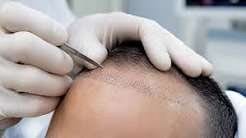
Lateral slit vs coronal slit implantation
Lateral and coronal refer to the orientation of the recipient incision relative to the direction of hair growth.
Lateral and coronal refer to the orientation of the recipient incision relative to the direction of hair growth. The distinction affects how hair fans out and how it lies, and surgeons hold genuine, long-standing differences of opinion about it.
What is the difference between sagittal and coronal (lateral) slit orientation?
Sagittal slits, also called parallel, run in the same direction the hair grows, while coronal slits, also called lateral or perpendicular, run across that direction. The graft sits in the slit, and the hairs within a multi-hair unit spread along its length, so the orientation determines which way they fan.
What is the argument for coronal (lateral) slit incisions?
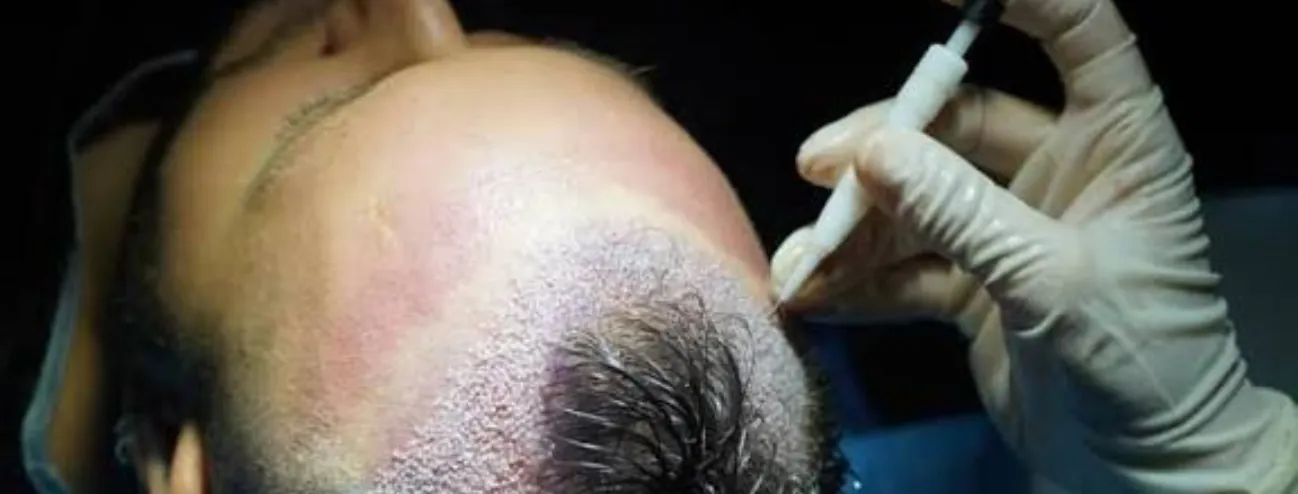
The argument for coronal slits is that hairs in a multi-hair graft fan side to side rather than front to back, which can give better apparent coverage, the hair may lie flatter against the scalp, and this orientation can improve the visual density achieved per graft.
- Hairs in a multi-hair graft fan side to side rather than front to back, which can give better apparent coverage
- May lie flatter against the scalp
- Can improve the visual density achieved per graft
What is the argument for sagittal (parallel) slit incisions?
The argument for sagittal slits is that they align with existing hair direction, which some surgeons find reduces the risk of damaging native follicles when adding density to a thinning area. Some surgeons also find angle control more intuitive with this orientation, and it has a long track record of excellent results.
- Aligns with existing hair direction, which some surgeons find reduces the risk of damaging native follicles when adding density to a thinning area
- Some find angle control more intuitive
- Long track record with excellent results
How much should slit orientation influence your choice of clinic?
Both sagittal and coronal slits are used by highly regarded surgeons, many of whom combine them by region, and no decisive evidence establishes one as superior. Treat orientation as a technical preference, not a differentiator; what predicts your result is who operates, the transection rate, how long grafts wait outside the body, and future-loss planning.
Both belong to the same family of techniques compared in hair transplant methods.
Sources
- Parsley WM, Perez-Meza D. Review of factors affecting the growth and survival of follicular grafts. Journal of Cutaneous and Aesthetic Surgery, 2010;3(2). jcasonline.com
This article summarises published research and standard clinical practice. It is general educational information, not medical advice, and it does not replace the instructions your own surgical team gives you. Where their guidance differs from anything here, follow theirs.
Get a no-obligation assessment against fixed criteria, directly on WhatsApp.