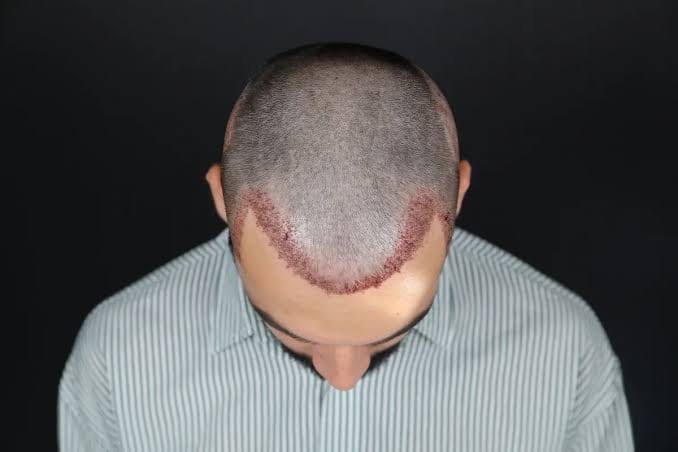
Pain management during and after FUE
Most patients describe the procedure itself as tedious rather than painful once anaesthetic is established.
Most patients describe the procedure itself as tedious rather than painful once anaesthetic is established. Afterwards, the donor area is usually the sorer of the two sites, and discomfort is generally manageable with simple analgesia for a few days.
What does pain feel like during the FUE procedure itself?
The injections at the start sting; after that, most people report pressure and vibration rather than pain, with the main complaint being the length of the day and having to stay still. Tell the team immediately if you feel sharp sensation, since anaesthetic wears off unevenly and topping up is routine, not an imposition.
What should you expect from pain in the first nights after FUE?
The donor area is usually the sorer site after FUE, particularly compared with strip surgery where the closure is under tension, though FUE donor discomfort is generally milder and settles faster. Most clinics prescribe simple analgesia for the first days; take it on the schedule given rather than waiting for pain to build.
What pain symptoms are normal after FUE, and which ones are warning signs?
Expected after FUE: soreness, tightness, tenderness to touch and disturbed sleep in the first nights, with discomfort easing steadily from day two or three. Not expected, and worth reporting: pain that increases after the first days, severe one-sided pain that can indicate a haematoma, or pain accompanied by fever, spreading redness or pus.
- Expected: soreness, tightness, tenderness to touch, disturbed sleep in the first nights
- Expected: discomfort easing steadily from day two or three
- Not expected: pain that increases after the first days
- Not expected: severe one-sided pain, which can indicate a haematoma
- Not expected: pain with fever, spreading redness or pus
What practical pain-management steps should you follow after FUE?
After FUE, do not take anything not cleared by your clinic, since some analgesics affect bleeding. Sleep elevated, which helps both swelling and comfort. Ask before combining prescribed medication with anything you already take, and report pain that is increasing rather than easing to your clinic promptly.
- Do not take anything not cleared by your clinic; some analgesics affect bleeding
- Sleep elevated, which helps both swelling and comfort
- Ask before combining prescribed medication with anything you already take
- Report pain that is increasing rather than easing
Pain control after the day itself is part of the routine described under aftercare.
Sources
- Parsley WM, Perez-Meza D. Review of factors affecting the growth and survival of follicular grafts. Journal of Cutaneous and Aesthetic Surgery, 2010;3(2). jcasonline.com
This article summarises published research and standard clinical practice. It is general educational information, not medical advice, and it does not replace the instructions your own surgical team gives you. Where their guidance differs from anything here, follow theirs.
Get a no-obligation assessment against fixed criteria, directly on WhatsApp.