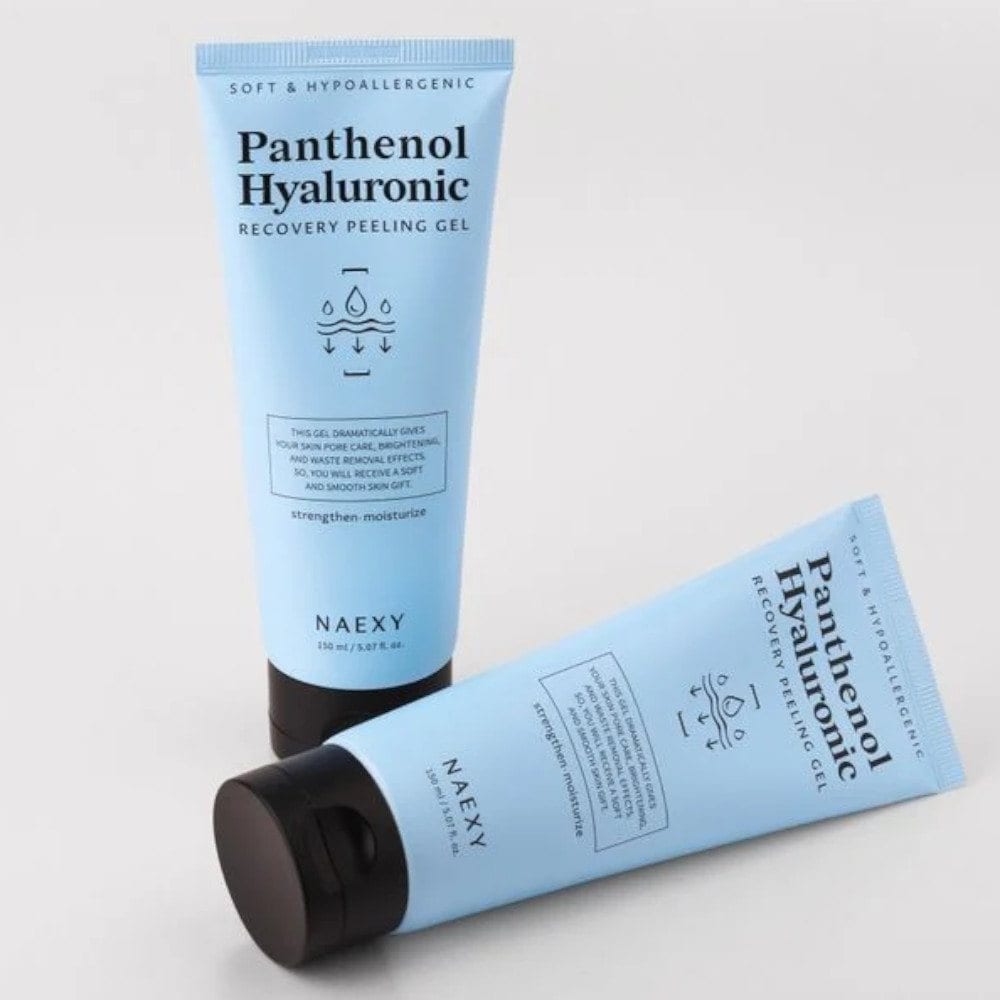
Panthenol and healing gels: do they help?
The scalp feels better for them. Whether the grafts do is a separate question, and the evidence on it is thin.
Panthenol and similar post-operative gels are widely supplied by clinics and are generally soothing and moisturising, but the evidence that they improve graft survival or final density is thin. Their real value is keeping crusts soft and the scalp comfortable.
What are panthenol and post-operative healing gels?
Panthenol is a form of vitamin B5 that holds water in the skin. Post-operative gels usually combine it with other humectants and soothing agents, and clinics supply them because a moist, comfortable scalp is easier to care for than a dry, itchy one. That is a real benefit, not a treatment effect on the follicle.
What do panthenol and healing gels plausibly do?
Panthenol and healing gels plausibly keep crusts soft so they release without pulling on the graft, reduce the dryness that drives itching in weeks two and three, and make the daily routine more tolerable. Since crusting is the mechanism by which grafts get pulled out early on, keeping crusts soft is useful indirectly.
- Keep crusts soft so they release without traction on the graft
- Reduce the dryness that drives itching in weeks two and three
- Make the daily routine more tolerable, which improves adherence to it
Given that crusting is the mechanism by which grafts get pulled out during the first days, anything that keeps crusts soft is doing useful work indirectly.
What have panthenol and healing gels not been shown to do?
There is no good evidence that a topical gel increases graft survival, speeds the growth timeline or improves final density. Survival is decided largely during surgery, by handling, time outside the body and graft hydration, rather than by what is applied afterwards. Marketing implying otherwise is running ahead of the evidence.
What is the practical rule for using healing gels after a transplant?
Use only what your clinic supplied, on the schedule they gave you, and do not add anything else to the recipient area without asking first. Products containing alcohol, fragrance, essential oils or active ingredients intended for intact skin can irritate a healing scalp, so check before applying anything not already cleared by your team.
Before adding any product, check it against the routine your clinic gave you and our aftercare guide.
Sources
- Bernstein RM, Rassman WR. Graft Anchoring in Hair Transplantation. Dermatologic Surgery, 2006;32(2):198-204. pubmed.ncbi.nlm.nih.gov/16442039
- Parsley WM, Perez-Meza D. Review of factors affecting the growth and survival of follicular grafts. Journal of Cutaneous and Aesthetic Surgery, 2010;3(2). jcasonline.com
This article summarises published research and standard clinical practice. It is general educational information, not medical advice, and it does not replace the instructions your own surgical team gives you. Where their guidance differs from anything here, follow theirs.
Get a no-obligation assessment against fixed criteria, directly on WhatsApp.