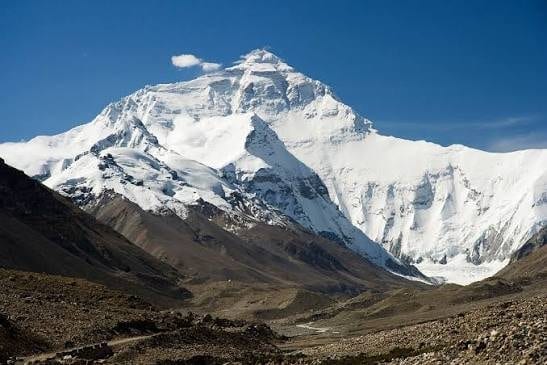
Altitude and swelling
Altitude does not meaningfully change post-operative swelling in a pressurised cabin, and the swelling most people notice around travel is the ordinary day two to four peak coinciding with the journey home.
Altitude does not meaningfully change post-operative swelling in a pressurised cabin, and the swelling most people notice around travel is the ordinary day two to four peak coinciding with the journey home. Prolonged time at genuine high altitude is a separate question worth asking your surgeon.
Does flying cause post-transplant swelling, or is it just timing?
People frequently attribute swelling to a flight because the two coincide, but in most cases the timing is coincidental: swelling appears around days two to four whether you travel or not, which is exactly when patients who travelled for surgery are heading home. The flight is not usually causing it; the calendar is.
What does cabin pressurisation actually do to a healing scalp?
Commercial aircraft maintain cabin pressure equivalent to a moderate altitude rather than the plane's true altitude, and that modest pressure reduction is not enough to drive meaningful additional fluid into scalp tissue. Cabin air is, however, very dry, which affects crusts and comfort rather than causing swelling itself.
Does real high-altitude travel affect healing differently than a flight?
Yes. Spending time at real elevation, such as mountain travel or skiing, differs from sitting in a pressurised cabin: reduced oxygen, cold, dry air and strong ultraviolet exposure all bear on a healing scalp, with ultraviolet exposure the most underestimated of them. Raise any mountain trip planned soon after surgery with your surgeon.
What practical steps help whether you fly or travel to altitude?
Practical steps either way include keeping the head elevated when resting, staying hydrated and skipping in-flight alcohol, using saline spray to counter dry air, cooling the forehead but never the grafts themselves, and protecting against sun, which is stronger at altitude.
- Keep the head elevated when resting
- Stay hydrated and skip in-flight alcohol
- Use saline spray to counter dry air
- Cool the forehead, never the grafts
- Protect against sun, which is stronger at altitude
Swelling after surgery is covered more generally in the aftercare guide.
Sources
- Bernstein RM, Rassman WR. Graft Anchoring in Hair Transplantation. Dermatologic Surgery, 2006;32(2):198-204. pubmed.ncbi.nlm.nih.gov/16442039
This article summarises published research and standard clinical practice. It is general educational information, not medical advice, and it does not replace the instructions your own surgical team gives you. Where their guidance differs from anything here, follow theirs.
Get a no-obligation assessment against fixed criteria, directly on WhatsApp.