
Supplements that may help post-op (zinc, vitamin C)
Zinc and vitamin C both have genuine roles in wound healing, and correcting a real deficiency in either supports recovery.
Zinc and vitamin C both have genuine roles in wound healing, and correcting a real deficiency in either supports recovery. Supplementing when you are not deficient has not been shown to improve outcomes, and high-dose zinc carries its own problems.
Does taking extra vitamin C speed up healing after a hair transplant?
Vitamin C is required for collagen synthesis, which is central to wound repair, and a genuine deficiency impairs healing. But it's widely available in ordinary diets, deficiency is uncommon in people eating normally, and supplementing when you're not deficient has not been shown to accelerate healing.
Is zinc safe to take in high doses after a hair transplant?
Zinc contributes to tissue repair and immune function, and deficiency is linked to impaired wound healing and hair changes, but it's also the supplement most often taken to excess. High doses can cause nausea and interfere with copper absorption over time, so if you take zinc, dose sensibly and not indefinitely.
Does supplementing beyond an adequate diet improve wound healing after a hair transplant?
No, the pattern across nutritional supplementation in wound healing is consistent: correcting a genuine deficiency helps, but adding more on top of an already adequate diet generally does not. That makes the useful question diagnostic rather than commercial: if there's reason to suspect a deficiency, test for it.
What practical supplement guidance should hair transplant patients follow?
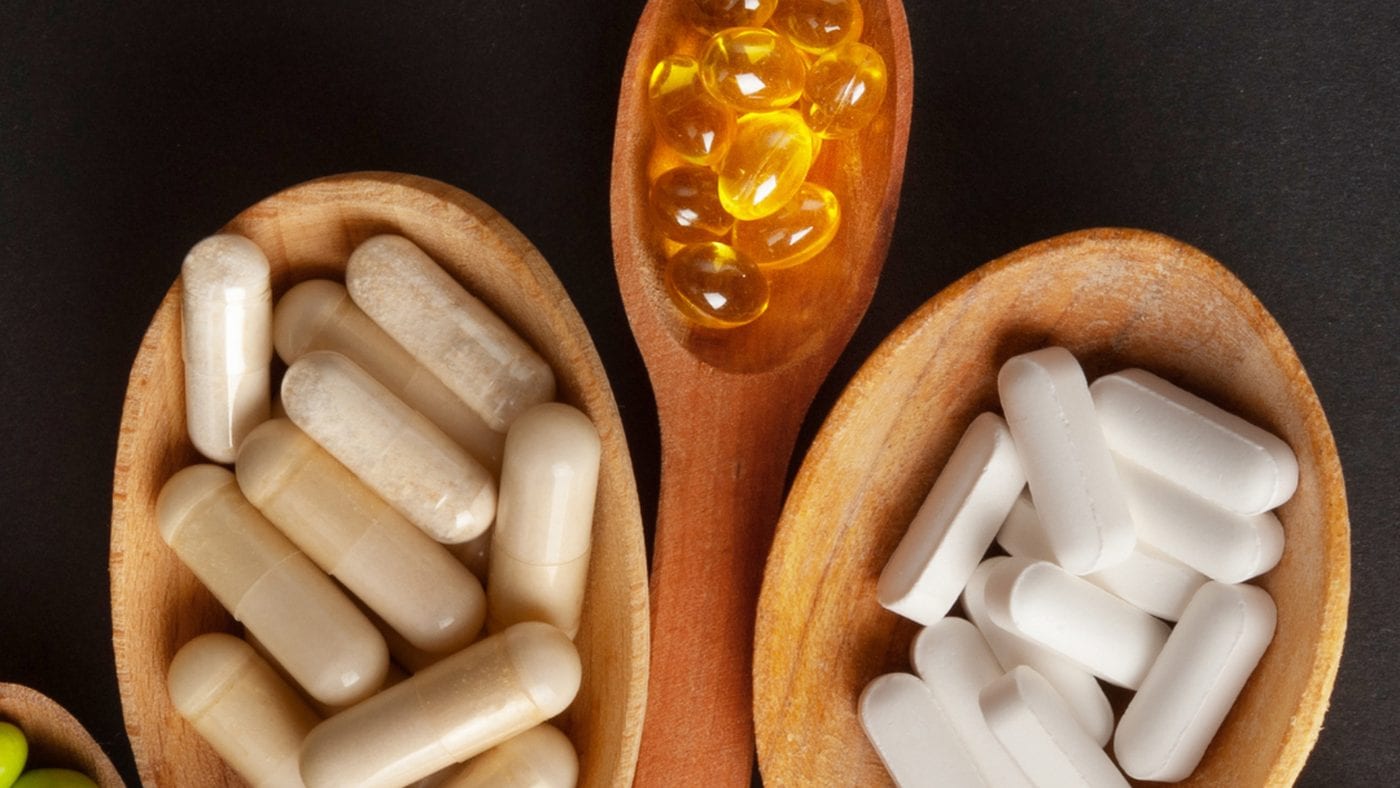
Tell your surgeon everything you take, including supplements; avoid high-dose regimes around surgery unless prescribed; be cautious with combination products marketed at transplant patients; and don't start anything new in the immediate post-operative window without asking. Herbal preparations can interact with prescribed medication and belong on the same disclosure list.
- Tell your surgeon everything you take, including supplements
- Avoid high-dose regimes around surgery unless prescribed
- Be cautious with combination products marketed at transplant patients
- Do not start anything new in the immediate post-operative window without asking
- Herbal preparations can interact with prescribed medication and belong on the same disclosure list
Supplements are a minor factor next to the basics described in our aftercare guide.
Sources
- Bernstein RM, Rassman WR. Graft Anchoring in Hair Transplantation. Dermatologic Surgery, 2006;32(2):198-204. pubmed.ncbi.nlm.nih.gov/16442039
- Parsley WM, Perez-Meza D. Review of factors affecting the growth and survival of follicular grafts. Journal of Cutaneous and Aesthetic Surgery, 2010;3(2). jcasonline.com
This article summarises published research and standard clinical practice. It is general educational information, not medical advice, and it does not replace the instructions your own surgical team gives you. Where their guidance differs from anything here, follow theirs.
Get a no-obligation assessment against fixed criteria, directly on WhatsApp.