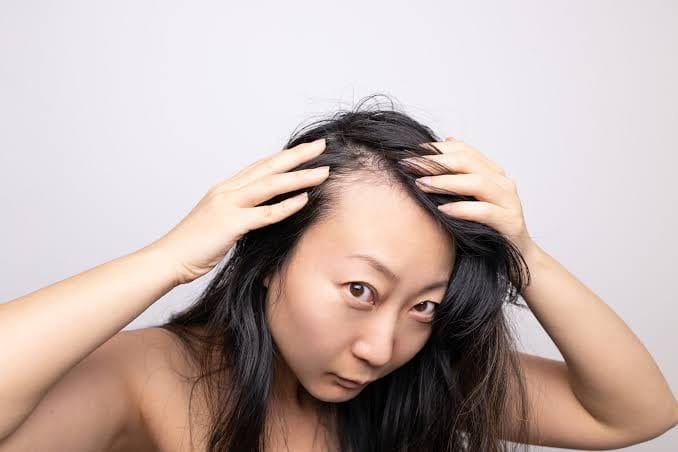
Why Finasteride isn't prescribed to women
Finasteride is not prescribed to women of childbearing potential because 5-alpha reductase inhibitors interfere with the development of male fetal genitalia.
Finasteride is not prescribed to women of childbearing potential because 5-alpha reductase inhibitors interfere with the development of male fetal genitalia. Efficacy evidence in women is also weaker than in men.
Why is Finasteride teratogenic in women?
DHT is required for normal development of male external genitalia in utero, and a drug that blocks its production can interfere with development. This is why women who could become pregnant are not prescribed Finasteride, and why they are advised not to handle crushed or broken tablets, since the drug can be absorbed through skin.
Is Finasteride as effective in women as in men?
Beyond safety, the evidence in women is less convincing: studies in postmenopausal women have generally not shown the benefit seen in men, and female pattern hair loss does not appear to depend on androgens the same way in every case. Some clinicians do prescribe it off-label to specific groups, as a specialist decision.
What do women use instead of Finasteride for hair loss?
Women typically use topical Minoxidil, the mainstay with the strongest evidence; low-dose oral Minoxidil off-label, at typically lower doses than for men (women were 67.2 percent of the largest published safety cohort); Spironolactone off-label with contraception required; or treatment of an underlying cause, which is more often relevant in women than men.
- Topical Minoxidil, the mainstay with the strongest evidence
- Low-dose oral Minoxidil, off-label; women were 67.2 percent of the largest published safety cohort and doses are typically lower than for men
- Spironolactone, off-label, with contraception required
- Treating an underlying cause, which is more often relevant in women than in men
Why should diagnosis come before treating hair loss in women?
Female hair loss has a much wider differential diagnosis: telogen effluvium, iron deficiency, thyroid disease, traction alopecia and scarring alopecias all present and are treated differently. Reaching for a drug before establishing the diagnosis is the common mistake, so assessment should always come first.
Our guide to hair loss in women covers the assessment.
Sources
- Gupta AK, Venkataraman M, Talukder M, Bamimore MA. Finasteride for hair loss: a review. Journal of Dermatological Treatment, 2022;33(4):1938-1946. pubmed.ncbi.nlm.nih.gov/34291720
- Vano-Galvan S, et al. Safety of low-dose oral Minoxidil for hair loss: A multicenter study of 1404 patients. Journal of the American Academy of Dermatology, 2021. pubmed.ncbi.nlm.nih.gov/33639244
This article summarises published research. It is general educational information, not medical advice, and it is not a recommendation to start, stop or change any medication. Prescription drugs carry contraindications and interactions; discuss them with a doctor who knows your medical history.
Get a no-obligation assessment against fixed criteria, directly on WhatsApp.